Sign up with Google
 Sign in with Zoho

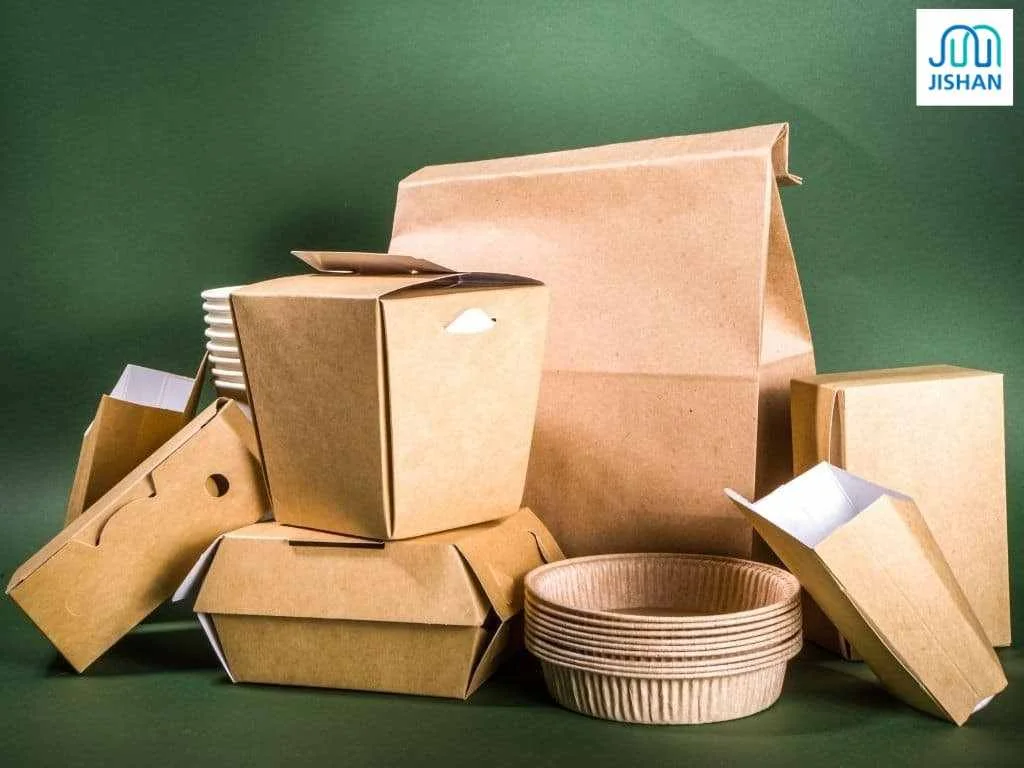
A sustainable packaging strategy is a systematic, company-wide approach to reducing environmental impact at every level of packaging, from material choice and design to supplier sourcing, end-of-life disposal, and consumer communication. It’s not just about switching to one green product. When done correctly, it aligns packaging decisions with business objectives, regulatory requirements, and customer expectations.
Malaysian manufacturers and brands are increasingly being forced to rethink their product packaging. Driven by regulatory changes, retailer sustainability mandates, and increasingly conscious consumers, sustainable packaging is becoming a business imperative—not just an ethical preference. But most companies make the mistake of thinking of it as a product swap: swap the plastic bag, tick the box, and move on.
That won't do. One material change without a corresponding strategy can be costly, confusing to suppliers, and not achieve measurable environmental results. You need a complete sustainable packaging strategy that’s designed to scale with your operations, meet procurement requirements, and build a real competitive advantage.
Why a Packaging Strategy Is More Important Than a Packaging Switch
In recent years, Malaysia generated about 38,000 tons of solid waste daily, of which a large share was packaging waste. The government’s National Solid Waste Management Policy and the Extended Producer Responsibility (EPR) framework being trialed in Malaysia are increasing accountability for brands across the supply chain.
This means packaging decisions cannot be made in isolation by procurement managers and brand owners. The cost of reacting, of responding to complaints or regulations after they occur, is higher, and the results are less than with a proactive, structured strategy.
A good sustainable packaging strategy does three things at once:
- Reduces material waste and carbon footprint throughout your supply chain.
- Helps you stay ahead of emerging regulations and retailer compliance demands.
- Builds brand equity among consumers choosing sustainable brands in a conscious way.
Step 1: Take Stock of Your Current Packaging Footprint
You can't build anything until you know what you've got to work with. A packaging audit will identify all the points of contact packaging has—primary, secondary, and tertiary—and assess each for material type, weight, recyclability, and cost.
For each SKU, ask these questions:
- So what is used now, and is it recyclable or compostable in Malaysia?
- Is the packaging oversized or over-engineered for the protection it affords?
- What percentage of packaging is returned, recycled, or goes to landfill?
- What are the costs of logistics and warehousing?
This audit will be the baseline against which you will compare every future improvement. Without it, your sustainability goals are a shot in the dark.
Step 2: Define Measurable Sustainability Goals
Vague promises like “we want to be greener” yield vague results. Good sustainable packaging solutions are built on concrete targets that are time-bound and are related to real metrics.
Targets that are meaningful include:
- By 2027, 80% of your packaging will be recyclable or compostable.
- Reduce total packaging weight by 15% within 18 months.
- Phase out single-use plastic for all export shipments by 2026.
- 50% of packaging materials from certified suppliers in two years.
Make these goals fit into frameworks your stakeholders already know. The Global Commitment of the Ellen MacArthur Foundation and ISO 14001 environmental management standards are widely accepted reference points and have clout with international buyers and auditors.
Step 3: Choose and Evaluate the Appropriate Materials
This is where strategy and execution meet in material selection. The right choice will depend on your product category, shelf life requirements, distribution conditions, and the end-of-life infrastructure available in your target markets.
Malaysian Manufacturers' Popular Sustainable Material Choices
Don't just choose materials for their eco-credentials. A material that won’t protect your product under Malaysia’s humidity and logistics conditions will create more waste, not less. “You have to look at functionality and sustainability together.
Step 4: Build Supplier Partnerships Aligned with Your Strategy
Your packaging strategy is the foundation of your supply chain strength. If your procurement manager is sourcing from multiple inconsistent suppliers, it’s going to be hard to keep up with quality, certifications, and cost control all at the same time.
When selecting packaging suppliers, look for:
- Environmental certification (FSC, ISO 14001, PEFC).
- Disclose percentages of recycled content and material sourcing.
- Ability to scale up production while ensuring sustainability standards.
- Local or regional production capacity to reduce transport emissions.
- Preparedness to jointly develop solutions to suit your product requirements.
A supplier that knows your whole business context (not just your order volume) is a true partner in implementing your sustainable packaging strategy. That relationship reduces the friction of continuous improvement.
Step 5: Design with Reduction as the Main Principle
The single biggest change any company can make is to use less material in the first place. Packaging redesign, with a reduction-first mindset, often pays off the fastest—both financially and environmentally.
Practical reduction opportunities are:
- Right-sizing: Removing void fill by fitting the package size to the product size.
- Mono material design: One material type throughout for easier recycling.
- Eliminating unnecessary layers: Removing secondary packaging that increases costs but offers no protection or brand value.
- Lightweighting: Where structural testing has confirmed safety, reduce the material gauge or wall thickness.
Each of these changes lowers your material spend, lowers your shipping weight, and lowers your carbon footprint—all without having to overhaul your supply chain.
Step 6: Credibly Communicate Your Packaging Sustainability
Greenwashing is a significant liability risk. Regulators and consumers in Malaysia and globally are increasingly clamping down on environmental claims that aren’t substantiated. “You have to communicate honestly, specifically, and with verifiable data.”
Good packaging communication does the following:
- Facts, not feelings ("made from 70% recycled content" instead of "eco-friendly").
- Uses recognized certifications and logos to add third-party credibility.
- Contains clear disposal instructions relevant to Malaysian consumers.
- Avoids vague words such as “green,” “natural,” or “planet-friendly” without evidence.
Credible communication makes your packaging investment a brand asset. It builds consumer confidence and minimizes the chance of regulatory trouble later.
Step 7: Measure, Report, Iterate
A sustainable packaging strategy is not a project that has a finish line. It’s an ongoing operational discipline. Establish a review cadence—quarterly or biannual—to assess progress against your stated goals, identify new opportunities, and make adjustments for changes in material availability, regulations, or business conditions.
Keep an eye on these metrics:
- % Packaging recyclability, compostability, or reusability.
- Weight per unit shipped (packaging included).
- Recycled content by material type.
- Supplier compliance rate against your environmental standards.
- Packaging cost per unit over time.
Sharing progress, even partial progress, with customers, retailers, and internal stakeholders creates accountability and shows a real commitment to the cause, not just performative action.
Putting It All Together
Developing a sustainable packaging strategy requires buy-in from all parts of the business, from procurement and operations to marketing and leadership. The businesses that get it right are those that treat sustainability as a design brief, not a constraint: a set of intelligent parameters that make packaging work harder, smarter, and more responsibly.
For Malaysian manufacturers and brands who want to employ this kind of structured approach, having an experienced packaging partner makes the process a lot easier. Jishan Group helps companies throughout Malaysia to develop and implement packaging solutions that are commercially viable and truly sustainable—from material selection and supplier sourcing to design, compliance, and continuous improvement.
FAQs
What is a sustainable packaging strategy?
A sustainable packaging strategy is a holistic, company-wide approach to reducing the environmental impact of packaging across its lifecycle—from material selection, design, and sourcing to logistics and end-of-life. It goes beyond individual product swaps to create systemic, measurable change that is consistent with business objectives and regulatory requirements.
If you are a business in Malaysia, where do you begin to develop a sustainable packaging strategy?
“Conduct a packaging audit. Trace all materials, formats, and suppliers within your primary, secondary, and tertiary packaging. This gives you an objective baseline to set targets, prioritize changes, and measure progress—rather than making decisions based on assumptions or pressure from one stakeholder.
What are the most practical sustainable packaging materials for manufacturers in Malaysia?
For Malaysian manufacturers, the most practical options are recycled corrugated board, FSC-certified paper, bagasse, and rPET. The best choice will depend on your product category, protection needs, and recycling infrastructure available in your distribution markets. Sustainability credentials must be considered in conjunction with functionality.
How can I prevent greenwashing on my packaging sustainability claims?
Use specific, verifiable facts, not general terms such as “eco-friendly” or “green.” All claims must be supported by data or a recognized third-party certification such as FSC or ISO 14001. Clearly label disposal instructions on the pack. Be prepared to defend all claims to regulators and knowledgeable consumers.
What is the effect of sustainable packaging on procurement costs?
Costs may increase in the short term as you move to certified or recycled materials, but with a good strategy in place, costs are usually reduced over time through lightweighting, right-sizing, and supplier consolidation. And with less material weight, shipping costs also decrease, so the financial case for sustainability improvements is just as strong as the environmental case.
The packaging regulations that Malaysian businesses should know:
Malaysia is preparing an Extended Producer Responsibility (EPR) framework to hold producers accountable for post-consumer packaging waste. Businesses exporting to the EU will also need to be aware of the EU Packaging and Packaging Waste Regulation. Aligning your strategy with these frameworks today will avoid costly reactive adjustments down the road.