Sign up with Google
 Sign in with Zoho

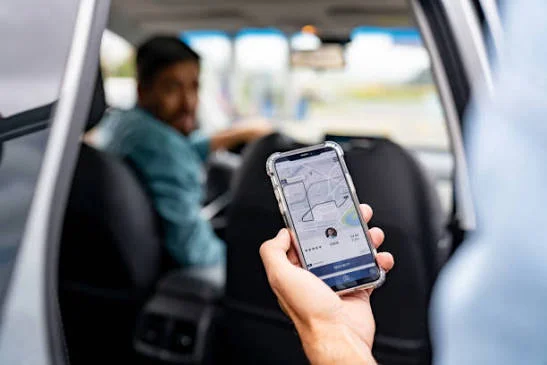
Urban mobility across Gulf Cooperation Council countries is changing as travelers become increasingly comfortable with digitally coordinated transport. Ride-hailing services now support everyday commuting, airport connections, tourism movement, and corporate travel across major cities. Smartphone-based booking, live navigation, digital payments, and location-aware dispatch systems are making on-demand transport a more integrated part of the region's wider mobility ecosystem.
Rapid urban development is also changing how passengers assess convenience and accessibility. Rather than relying only on traditional street-hail models, users increasingly expect transparent booking, estimated arrival times, route visibility, and cashless payment options. Analysis of the regional app-based mobility ecosystem indicates that digital booking penetration and rising urban transport requirements are supporting broader adoption across GCC cities.
MarkNtel Advisors estimates that the GCC Ride-Hailing Service Market will expand from USD 3.3 billion in 2026 to USD 7.1 billion by 2032, registering a CAGR of 13.65% during the forecast period. The direction reflects the increasing role of app-based transport in urban commuting, airport-linked journeys, tourism corridors, and business travel, while smart transport initiatives continue to influence mobility planning.
Digital Booking Is Changing Passenger Expectations
Ride-hailing applications have shifted the transport experience from vehicle searching to digitally managed journey planning. Passengers can request rides, review estimated pickup times, follow vehicle movement, select payment methods, and maintain digital trip records within a single interface. These capabilities are particularly relevant in dense commercial areas, tourism districts, and airport zones where travelers often prioritize predictable and easily accessible transport services.
Evidence from Dubai illustrates the increasing relevance of shared and digitally coordinated mobility. The Roads and Transport Authority reported that shared mobility services, including smart app-based ride-hailing, hourly rentals, and bus-on-demand, transported 56 million riders in 2024 after recording a 28% increase. This indicates how digital access is becoming increasingly connected with wider urban transport behavior.
Tourism and Airport Travel Create Strong Mobility Demand
The GCC's expanding tourism and aviation ecosystem is creating diverse transport requirements. Visitors arriving at airports need convenient connections to hotels, business districts, shopping areas, entertainment venues, and cultural destinations. Ride-hailing platforms can support these journeys through app-based pickup coordination, multilingual digital interfaces, route tracking, and payment flexibility, reducing some of the uncertainty associated with transport in an unfamiliar city.
Airport mobility is particularly important because passenger arrivals create concentrated demand during specific travel periods. Platforms and fleet operators need sufficient vehicle availability, effective dispatch systems, and clearly managed pickup locations to serve these corridors efficiently. As GCC destinations attract leisure travelers, corporate visitors, and event participants, the ability to coordinate high-volume passenger movement may become an increasingly important operational capability.
Smart City Strategies Are Influencing Ride-Hailing
Government-led digital transport programs are encouraging mobility providers to consider how their services fit within broader smart city frameworks. The focus extends beyond mobile booking to fleet integration, transport data, regulated operations, sustainability, and emerging autonomous technologies. Ride-hailing operators therefore face a more complex environment in which technology performance must be aligned with passenger safety, licensing requirements, and public transport objectives.
Dubai's Autonomous Transportation Strategy aims to convert 25% of total transportation in the emirate to autonomous mode by 2030. Such policy direction does not mean conventional ride-hailing fleets will disappear immediately. Instead, it highlights the potential for gradual integration of driverless services within approved zones, carefully regulated corridors, and digitally connected transport networks.
Fleet Technology Is Becoming an Operational Priority
Behind every passenger-facing application is a complex fleet management environment. Platforms must coordinate vehicle availability, driver distribution, pickup demand, traffic conditions, and service quality. Data-led dispatch can help match riders with nearby vehicles, while navigation systems support route planning. These technologies become particularly valuable during airport peaks, major events, business commuting hours, and periods of concentrated tourism activity.
Fleet composition is also becoming more strategically relevant. Sedans remain well suited to many ride-hailing journeys because they balance passenger comfort, urban maneuverability, and operating efficiency. At the same time, electric and hybrid vehicles are becoming more visible within mobility planning discussions. Their adoption will depend on charging access, vehicle economics, maintenance requirements, route patterns, and the operational priorities of fleet owners.
Regulation Will Shape Competitive Differentiation
Ride-hailing services operate within regulated passenger transport systems, making compliance a fundamental part of long-term operations. Driver verification, vehicle licensing, pricing transparency, insurance requirements, and passenger safety standards can influence how platforms structure services. Operators capable of integrating compliance controls into their digital systems may be better positioned to maintain consistent service standards while expanding across different cities and jurisdictions.
Regulatory alignment is also relevant as autonomous mobility moves from controlled trials toward early public applications. Saudi Arabia's Transport General Authority has reported autonomous vehicle operations in Riyadh in cooperation with technology and operating partners, with designated routes and dedicated pickup and drop-off stations used during the initial application phase. This demonstrates the structured, location-specific approach currently being applied to emerging mobility technologies.
Service Quality Remains Central to Passenger Retention
Technology alone does not determine whether passengers continue using a ride-hailing platform. Pickup reliability, vehicle cleanliness, driver conduct, fare clarity, application stability, and customer support all contribute to the user experience. In competitive urban areas, small service inconsistencies can influence platform preference because passengers can often compare multiple mobility options through their smartphones within a short period.
Corporate clients, hotels, and tourism-related users may also require more structured service models. Scheduled journeys, centralized billing, airport transfers, and managed transport arrangements can differ from standard individual bookings. This creates room for platforms to develop operational capabilities around recurring travel needs while maintaining the flexibility associated with on-demand mobility.
A More Integrated Future for GCC Urban Mobility
The future of GCC ride-hailing is likely to be defined by integration rather than application-based booking alone. Digital payments, connected fleets, regulated taxi systems, autonomous vehicle pilots, airport transport, and smart city infrastructure are increasingly interacting within the same mobility environment. Platforms will need to balance technological innovation with operational reliability as passenger expectations and transport policies continue to evolve.
Ride-hailing is becoming a more established component of urban transport across the Gulf. Its next phase will depend on how effectively operators manage fleet supply, digital reliability, regulatory compliance, and changing travel patterns. As GCC cities continue investing in connected mobility systems, ride-hailing services are positioned to play a practical role within increasingly coordinated, technology-enabled transport networks.