Sign up with Google
 Sign in with Zoho


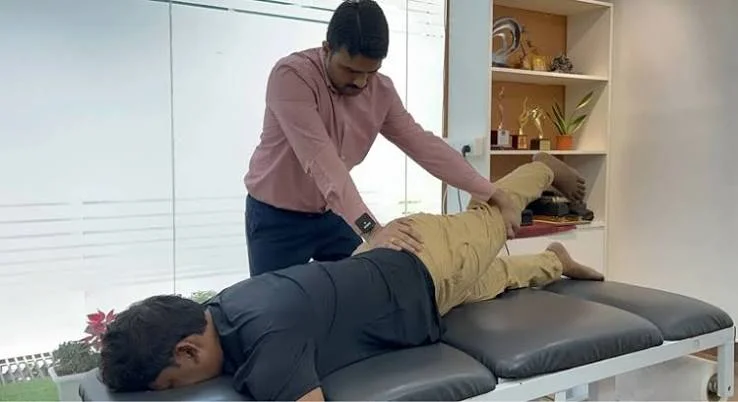
Muscle pain that refuses to go away can affect every part of daily life—from working at a desk and driving to exercising and sleeping comfortably. While pain medications may offer temporary relief, they often fail to address the underlying muscular dysfunction responsible for recurring discomfort. This is where Dry Needling Physiotherapy in Gurgaon is becoming an increasingly trusted option for individuals seeking long-term recovery.
Unlike treatments that only focus on symptom management, dry needling is designed to release tight muscle bands, reduce pain, and restore normal movement. When performed by trained physiotherapists, it becomes part of a comprehensive rehabilitation program that helps patients return to their daily activities with greater comfort and confidence.
Understanding Dry Needling Beyond the Needle
Many people confuse dry needling with acupuncture, but the two treatments are based on different principles.
Dry needling is a modern physiotherapy technique that targets myofascial trigger points—small, tight knots within muscles that can create pain, stiffness, weakness, and restricted mobility. By inserting a thin sterile needle into these trigger points, physiotherapists encourage the muscle to relax naturally while improving blood circulation and reducing pain signals.
Rather than being a standalone treatment, dry needling is often combined with movement correction, stretching, strengthening exercises, and posture improvement for better long-term outcomes.
Common Conditions That May Benefit from Dry Needling
Persistent muscle tightness often develops gradually due to repetitive movements, prolonged sitting, poor posture, sports injuries, or previous trauma.
A qualified Gurgaon Physiotherapy Clinic may recommend dry needling for conditions such as:
- Chronic neck stiffness
- Shoulder pain and muscle tightness
- Lower back pain
- Tennis elbow
- Sciatica-related muscular tension
- Hip pain
- Knee muscle imbalance
- Sports injuries
- Calf tightness
- Plantar heel pain
- Muscle strains
- Tension headaches caused by neck muscles
Each patient receives an individual assessment because identifying the true source of pain is essential before beginning treatment.
How Trigger Points Affect Your Body
Trigger points are not always painful where they develop.
For example:
- A trigger point in the shoulder may create pain down the arm.
- Neck muscles can cause headaches.
- Hip muscles may contribute to knee discomfort.
- Back muscles can create pain around the pelvis or legs.
Because pain often travels away from its source, simply treating the painful area may not solve the actual problem. A detailed physiotherapy assessment helps identify the muscles responsible for the symptoms.
Why Dry Needling Is Becoming Popular Among Active Adults
Modern lifestyles create ideal conditions for muscle dysfunction.
Long office hours, limited physical activity, repetitive computer work, intense workouts without recovery, and poor sitting posture all increase muscular tension over time.
Dry needling helps by:
- Releasing muscle tightness
- Improving flexibility
- Restoring normal muscle activation
- Supporting faster recovery
- Reducing movement restrictions
- Helping rehabilitation exercises become more effective
When combined with an evidence-based Physiotherapy Treatment Gurgaon plan, many individuals experience improvements that last beyond temporary pain relief.
What Happens During a Dry Needling Session?
A professional physiotherapist first performs a complete physical assessment rather than immediately beginning treatment.
The assessment usually includes:
Medical History
The therapist discusses:
- Current symptoms
- Previous injuries
- Daily work habits
- Sports participation
- Existing medical conditions
Physical Examination
This may involve checking:
- Joint mobility
- Muscle strength
- Flexibility
- Posture
- Functional movements
- Trigger point locations
Treatment Session
Once suitable trigger points are identified:
- Sterile single-use needles are inserted into targeted muscles.
- Needles remain for a short period depending on the treatment approach.
- Some patients notice a brief muscle twitch response, which is considered normal.
- The therapist may follow dry needling with stretching, mobility exercises, or strengthening activities.
Every treatment plan is customized according to individual needs.
Is Dry Needling Painful?
One of the biggest misconceptions is that dry needling causes significant pain.
In reality, the needles used are extremely fine.
Most people describe the sensation as:
- A slight prick
- Mild muscle twitch
- Temporary aching
- Short-lasting muscle soreness afterward
The post-treatment soreness usually settles within a day or two and often indicates that the targeted muscle has been stimulated.
Why Exercise Still Matters
Dry needling alone rarely provides permanent results if movement problems remain unchanged.
Experienced physiotherapists combine it with:
Mobility Exercises
These help restore normal joint movement and muscle flexibility.
Strength Training
Weak muscles often contribute to recurring trigger points.
Posture Correction
Improving sitting, standing, and working posture reduces future muscle overload.
Movement Retraining
Walking, lifting, bending, and sports techniques may need correction to prevent recurring pain.
This integrated approach delivers more sustainable recovery than passive treatments alone.
Athletes Are Not the Only Ones Who Benefit
Although athletes frequently use dry needling during rehabilitation, many non-athletes also benefit.
Common patients include:
- Office professionals
- Teachers
- Drivers
- Homemakers
- Gym enthusiasts
- Senior citizens
- Students
- IT professionals
Any activity involving repetitive muscle use or prolonged positioning can contribute to trigger point development.
Choosing the Right Physiotherapy Clinic
Not every clinic offering dry needling provides the same level of expertise.
Before beginning treatment, consider whether the physiotherapist:
- Performs a detailed physical assessment
- Explains the cause of your symptoms
- Creates a personalized rehabilitation plan
- Uses sterile disposable needles
- Combines manual therapy and exercise therapy
- Reviews progress regularly
Quality physiotherapy focuses on identifying the root cause instead of repeatedly treating symptoms.
Supporting Recovery Between Sessions
Patients can improve treatment outcomes by following simple daily habits.
Stay Hydrated
Adequate hydration supports normal muscle function and recovery.
Keep Moving
Gentle walking and light mobility exercises often reduce post-treatment stiffness.
Follow Home Exercises
Skipping prescribed exercises may slow progress.
Improve Workstation Ergonomics
Adjust chair height, monitor position, and keyboard placement to reduce unnecessary muscle strain.
Prioritize Sleep
Muscle repair occurs during quality sleep, making rest an important part of recovery.
When Should You Consider Dry Needling?
Persistent muscle discomfort should not simply be accepted as a normal part of aging or work.
Professional assessment may be worthwhile if you experience:
- Pain lasting several weeks
- Repeated muscle tightness
- Reduced flexibility
- Frequent muscle spasms
- Pain during exercise
- Limited shoulder or neck movement
- Ongoing back stiffness
- Headaches related to muscle tension
Early intervention often prevents small muscular problems from becoming long-term functional limitations.
The Importance of Individualized Physiotherapy
No two people develop pain for exactly the same reasons.
Someone with shoulder pain from desk work requires a different rehabilitation strategy than an athlete recovering from a muscle strain. Likewise, chronic lower back pain caused by poor posture differs from pain following an injury.
This is why comprehensive assessment remains the foundation of effective Physiotherapy in Gurgaon. Treatment plans should always reflect the individual's movement patterns, goals, lifestyle, and physical condition rather than following a one-size-fits-all approach.
If you're exploring professional options for Dry Needling Physiotherapy in Gurgaon, learning more about evidence-based assessment and treatment can help you make an informed decision. You can read more about this specialized service here: Dry Needling Physiotherapy in Gurgaon.
Conclusion
Persistent muscle pain often develops from underlying movement dysfunction rather than a single injury. Dry needling offers an evidence-informed technique for releasing muscular trigger points, improving mobility, and supporting natural recovery when integrated into a comprehensive rehabilitation program.
Whether the discomfort stems from long office hours, sports participation, repetitive work, or chronic muscular tension, the most effective results usually come from combining dry needling with targeted exercises, posture correction, and individualized physiotherapy care. Seeking treatment at an experienced Gurgaon Physiotherapy Clinic that emphasizes accurate assessment and personalized rehabilitation can help individuals move beyond temporary pain relief and work toward lasting improvements in strength, flexibility, and overall quality of life.







.webp)