Sign up with Google
 Sign in with Zoho
Manufacturing projects require careful planning because the final investment is influenced by much more than the cost of machinery. Location, infrastructure, financing, production capacity, export potential, employment requirements, and available policy support can all affect the economics of a project.
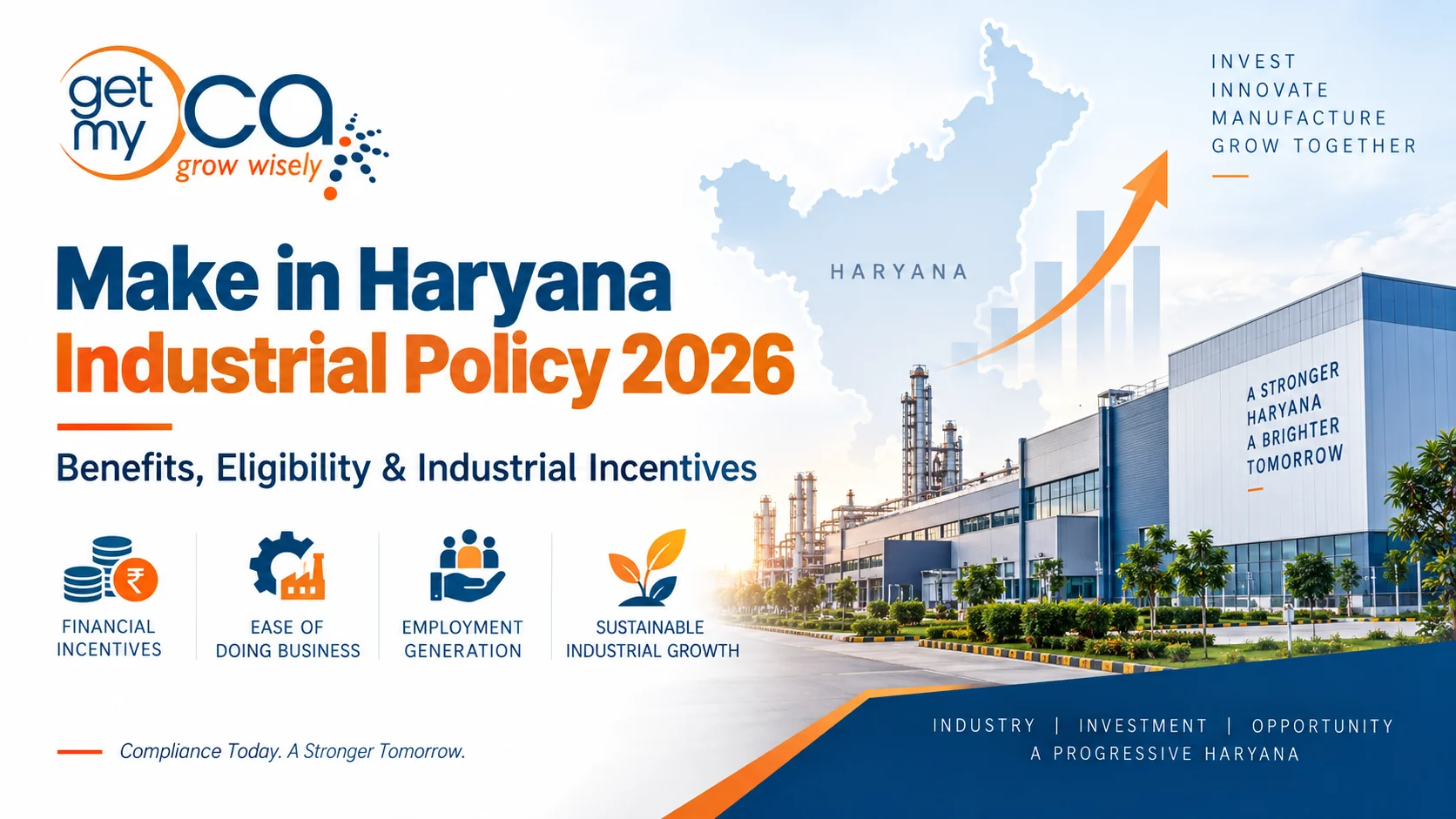
Businesses considering Haryana for a new manufacturing unit or expansion should first understand the industrial investment opportunities for Haryana manufacturers. State-level industrial policies may provide different forms of support depending on factors such as project category, investment size, location, eligible expenditure, and employment generation.
Before committing major capital, manufacturers should review the proposed project structure in detail. This includes estimating machinery cost, infrastructure requirements, expected production capacity, financing needs, and the timeline for commercial operations.
Why Early Planning Matters
Industrial incentives often come with specific eligibility conditions and documentation requirements. If these are reviewed only after significant expenditure has already been incurred, businesses may find it more difficult to align the project with the applicable scheme conditions.
Maintaining proper records from the beginning can therefore be useful. Important documents may include:
- Machinery quotations
- Purchase orders
- Project reports
- Financing documents
- Invoices and payment records
- Installation details
- Production projections
- Employment estimates
For export-oriented manufacturers, machinery procurement may involve another layer of evaluation. Businesses considering imported capital equipment can assess export-linked capital machinery benefits under EPCG before finalizing procurement decisions.
The EPCG framework may be relevant for eligible capital goods used in export-linked operations, but businesses should evaluate export obligations, authorization requirements, machinery eligibility, and future compliance responsibilities before proceeding.
Looking Beyond the Headline Benefit
Manufacturers should avoid making investment decisions solely on the basis of a subsidy percentage or potential duty saving. The actual financial impact depends on the project’s eligibility, applicable ceilings, financing structure, compliance requirements, and whether the business can satisfy the relevant conditions over time.
A better approach is to evaluate industrial incentives, machinery procurement, financing, and projected business growth together.
Businesses should also consider the long-term operational impact of the proposed investment. Factors such as energy consumption, maintenance requirements, workforce needs, logistics costs, production efficiency, and future capacity expansion can influence the overall economics of the project. Reviewing these areas alongside available incentives can help manufacturers build a more realistic investment plan and avoid focusing only on short-term financial benefits.
It is also useful to prepare a clear implementation schedule covering machinery procurement, installation, commencement of production, financing milestones, and expected export activities. This can help management monitor progress, maintain supporting records, and understand how different stages of the project may relate to incentive and compliance requirements.
Early assessment can help management understand the complete financial and compliance implications of an industrial project before substantial capital is committed.