Sign up with Google
 Sign in with Zoho
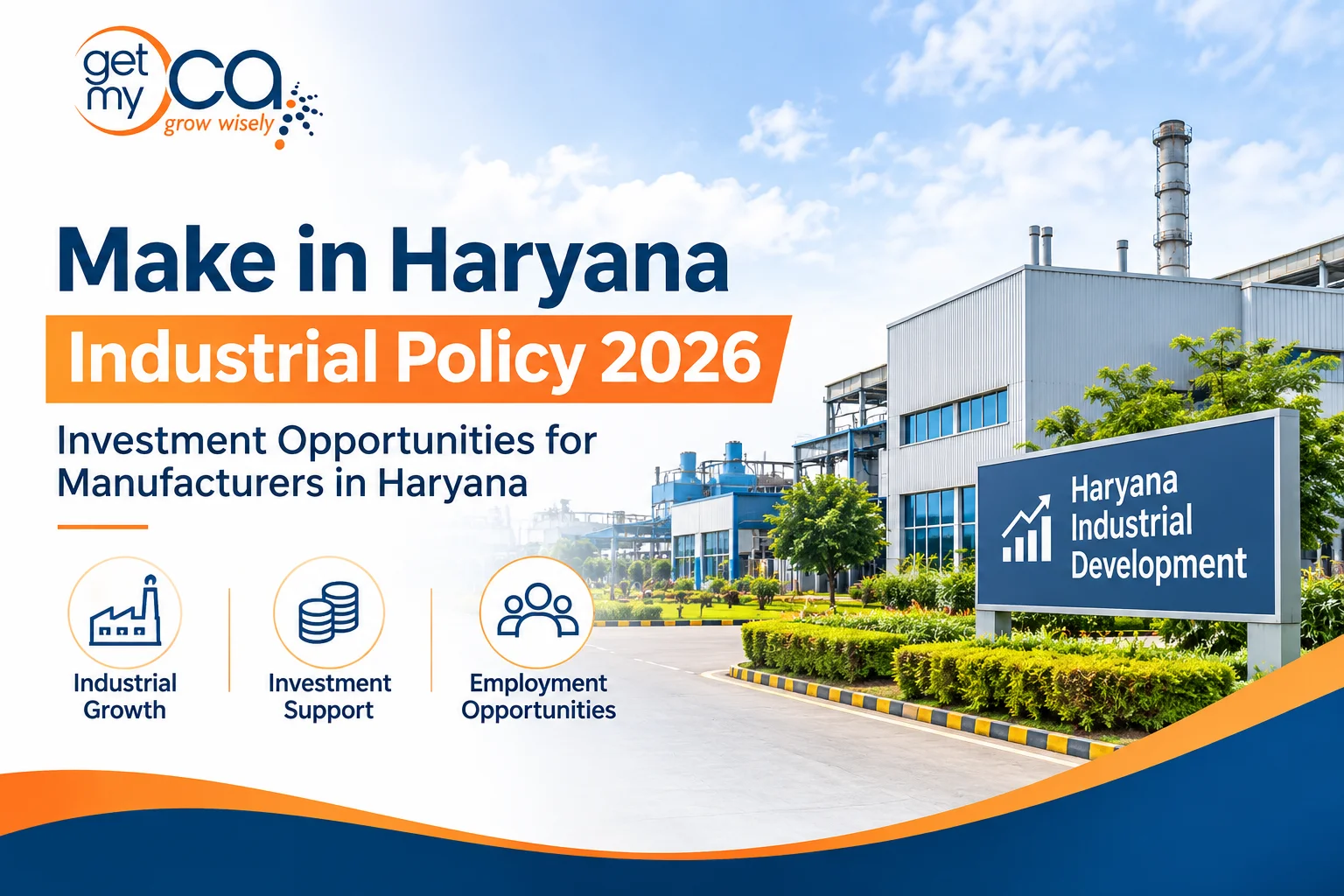
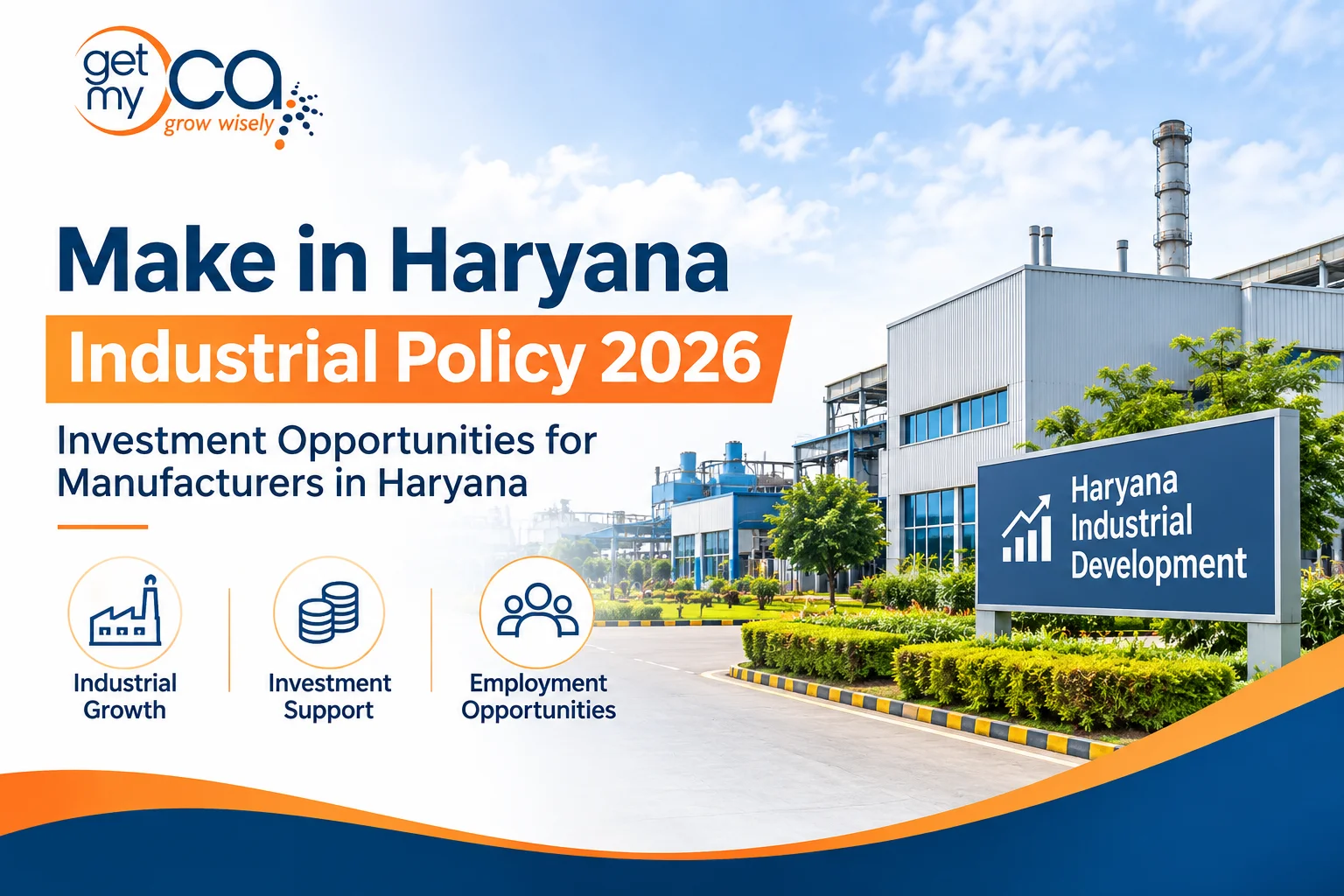
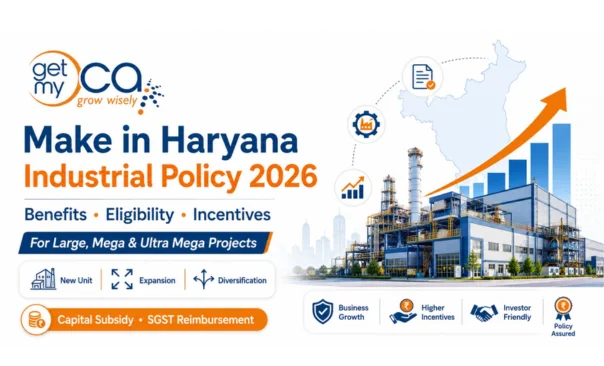
Haryana has become an important destination for industrial investment in India due to its strategic location, developed infrastructure, skilled workforce and connectivity with major commercial markets. Businesses looking to establish new manufacturing facilities or expand existing operations can explore government incentives to support their investment plans.
The Make in Haryana Industrial Policy 2026 aims to encourage industrial development, attract investment and create employment opportunities. Eligible enterprises can explore applicable financial incentives based on their investment size, project location and industrial classification.
Government Incentives for Industrial Development
Establishing a manufacturing unit requires substantial investment in land, machinery, infrastructure and technology. Government incentives can help qualifying businesses manage certain investment expenses and improve the financial feasibility of industrial projects.
Manufacturers can explore applicable benefits related to capital investment, SGST reimbursement, electricity duty, stamp duty and employment generation. However, the availability of these incentives depends on notified policy provisions and eligibility requirements.
Businesses should carefully evaluate applicable conditions before incorporating expected subsidies into their financial projections.
Opportunities for Manufacturing Business Expansion
Haryana offers industrial investment opportunities across sectors such as automotive manufacturing, engineering, electronics, food processing and textiles.
Enterprises planning business expansion should consider production capacity, market demand, infrastructure availability and financing requirements. Selecting a suitable industrial location can also influence operational efficiency and eligibility for certain government incentives.
A detailed project report and structured investment strategy can help manufacturers make informed decisions while managing financial risks.
Importance of Proper Documentation
Documentation plays an essential role in government subsidy applications. Businesses should maintain accurate machinery purchase invoices, investment records, financial statements, statutory registrations and project-related approvals.
Incomplete documentation or failure to meet applicable deadlines may affect subsidy eligibility. Therefore, manufacturers should understand application procedures and compliance requirements during the initial planning stage.
Professional Guidance for Industrial Subsidies
Understanding government policies and managing subsidy applications can be challenging for business owners. Working with experienced industrial subsidy consultants in India can help manufacturers identify suitable government schemes, assess eligibility and prepare the required documentation.
GetMyCA provides professional assistance with government subsidy consultancy, taxation, financial advisory and regulatory compliance. Businesses can seek expert guidance to understand applicable incentives and manage their investment-related responsibilities effectively.
Conclusion
The Make in Haryana Industrial Policy 2026 presents opportunities for qualifying manufacturing enterprises to explore government support and industrial development initiatives. Businesses should combine subsidy assessment with realistic financial planning, proper documentation and regulatory compliance. With professional guidance and a structured investment strategy, manufacturers can strengthen their operational capabilities, improve competitiveness and pursue sustainable business growth in Haryana.