Sign up with Google
 Sign in with Zoho

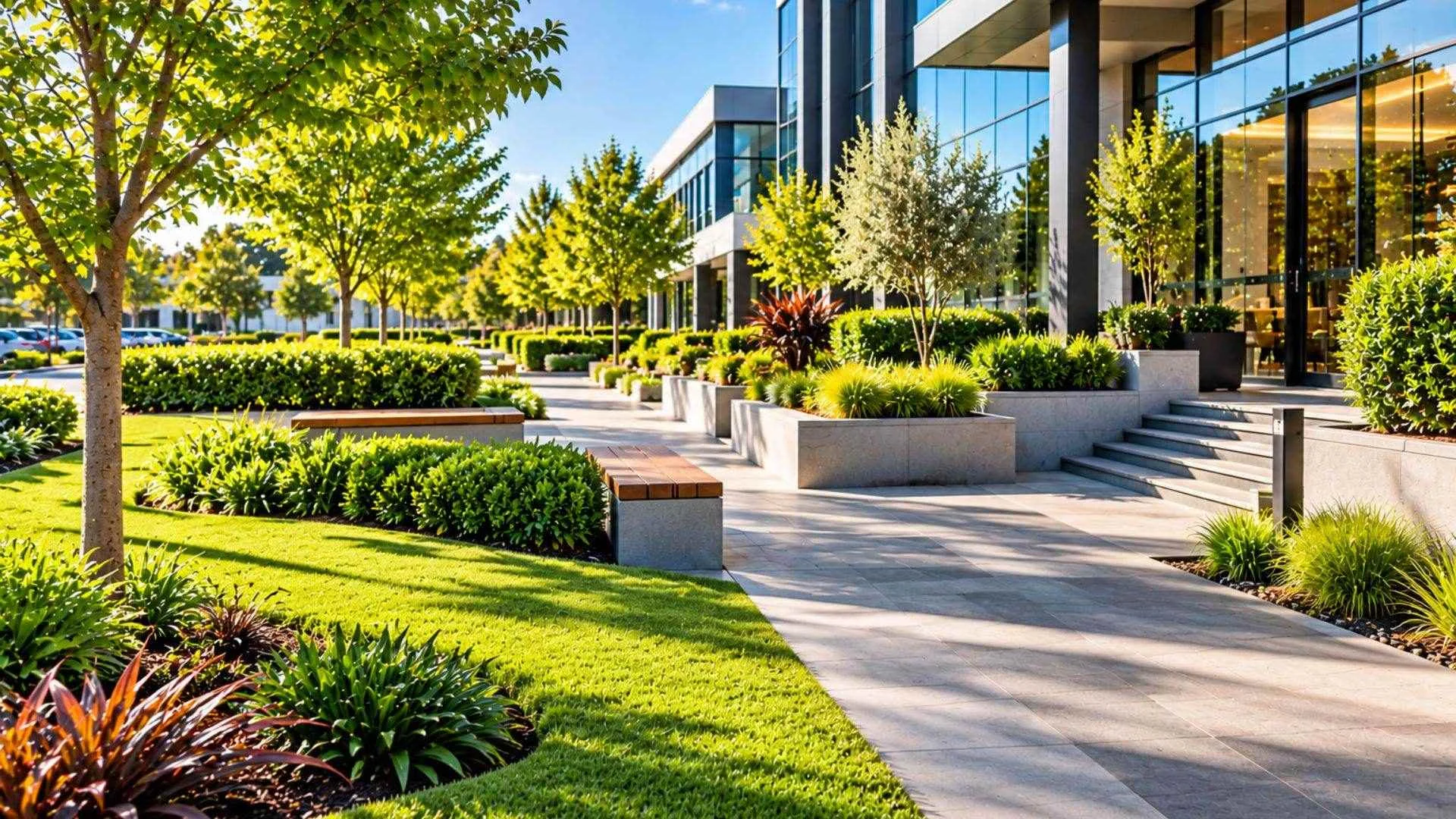
A neat outdoor area can make a business property more welcoming, but keeping it that way takes more than regular mowing and pruning. Paths need to remain usable, plants must suit the local conditions, and drainage problems need attention before they damage the finished landscape.
For businesses, schools, childcare centres and property managers, commercial landscaping in Melbourne means creating an outdoor space that works for the people using it every day. Getting the planning right from the start can also help avoid unnecessary repair bills and ongoing maintenance headaches.
How Commercial Landscaping Differs from Residential Projects
A backyard is usually designed around the people living in the home. A commercial property has a wider range of needs to consider, including visitors, employees, deliveries, public access and the upkeep of shared areas.
Take an office building in Melbourne, for example. The entrance needs to look professional, walkways should be easy to navigate, and the garden should not obstruct signs or visibility. A retail property may need durable paths that cope with constant foot traffic, while a school needs outdoor areas suited to students and everyday activities.
These differences should shape the design before any work begins. A site inspection helps a contractor understand how the property is used, what needs improving and which features are worth investing in.
Get the Groundwork Right Before Landscaping Begins
It is tempting to focus on plants, paving and other visible features when planning a landscape. However, problems below the surface can quickly spoil the finished result.
Drainage is a good example. If rainwater collects near an entrance or leaves a lawn permanently wet, replacing the grass will not solve the underlying issue. The ground levels, soil condition and drainage arrangements need to be checked first.
Before construction starts, consider a few practical details:
- Drainage and levels: Check where rainwater flows and whether it collects around paths, buildings or garden beds.
- Soil preparation: Determine whether the existing soil is suitable for planting or needs improvement.
- Site access: Make sure workers can bring in equipment, paving, plants and other materials without disrupting essential operations.
- Underground services: Identify existing pipes, cables and irrigation lines before excavation.
- Pedestrian access: Keep entrances, walkways and other important routes clear and usable throughout the project.
For landscaping contractors, checking these details early also makes quoting more accurate. It is much easier to account for excavation or drainage work before construction begins than to deal with unexpected costs halfway through a project.
Select Materials That Suit the Property
The right landscaping materials depend on how an outdoor area will be used. A quiet garden beside an office has different requirements from a busy retail entrance or a school playground.
Natural grass or synthetic turf?
Natural grass provides a traditional green appearance and can work well where sunlight, soil and watering conditions are suitable. It does, however, need regular mowing, watering and seasonal care.
Synthetic grass offers another option for areas where natural turf struggles or receives heavy use. It can reduce routine lawn maintenance, although it still needs occasional brushing, cleaning and inspection.
Good installation matters with either choice. For synthetic turf, the ground must be prepared properly, the base should be stable, drainage needs to be considered and the edges must be secured. Without these steps, even quality turf can develop uneven areas or drainage problems.
When comparing options, look beyond the initial price. Consider how much maintenance each surface will need and whether it suits the site's daily use.
Paving, planting and irrigation
Paving can make entrances and outdoor seating areas easier to access, provided the surface, drainage and transitions are appropriate for the location. Plants should be selected according to sunlight, soil, wind exposure and the amount of care they will receive.
Irrigation deserves the same attention. Garden beds with different watering requirements may benefit from separate irrigation zones, helping prevent some plants from receiving too much water while others remain dry.
For Melbourne properties, choosing suitable plants and planning irrigation before installation can make a noticeable difference to how well the landscape establishes.
Special Considerations for Schools and Childcare Centres
School grounds and childcare playgrounds need careful planning because children use these spaces for a wide range of activities. The layout should support movement and supervision while accounting for the condition of play equipment, surrounding paths and outdoor surfaces.
Consider a childcare centre in Kew that is preparing to upgrade a worn playground. The existing surface has uneven edges, some areas collect water after rain, and the planting beds sit too close to the main play zone.
Installing a new colourful surface might improve the appearance, but it would not automatically address every concern. The contractor should first assess drainage, ground levels, equipment placement, access and visibility for staff supervising children.
Where wet-pour rubber surfacing is proposed, the specification should identify the product system, installed thickness and relevant impact-attenuation test results. The surface must be appropriate for the equipment and the applicable fall-height requirements.
Property managers should request supporting product documentation and arrange any assessments required for the completed playground. A particular surfacing material should not be treated as proof that the entire playground complies with every applicable safety requirement.
Comparing Commercial Landscaping Quotes
When comparing commercial landscaping contractors, it helps to understand exactly what each quote covers. A lower price may look attractive at first, but it can become more expensive if important work has been left out.
For example, one contractor might include excavation, waste removal, drainage improvements and establishment care, while another quote covers only the visible installation.
Ask for a written breakdown that explains:
- Site preparation, excavation and removal of existing materials.
- Plant varieties, quantities, sizes, soil preparation and mulch.
- Turf specifications, base preparation and edging.
- Irrigation equipment, controls and testing.
- Paving, retaining structures and other construction work.
- Project stages, site access arrangements and expected completion dates.
- Aftercare, defect management and ongoing maintenance responsibilities.
With this information, property managers can compare like-for-like proposals rather than making a decision based on the final price alone.
For independent landscaping businesses, a detailed quote also helps build trust. Explaining why particular work is needed makes it easier for clients to understand the value of the proposed solution.
Keep Maintenance Practical and Consistent
Once the installation is complete, the landscape still needs attention. Newly planted areas require appropriate watering, lawns need routine care, and irrigation systems should be checked regularly.
The maintenance schedule will depend on the property. A retail entrance that receives visitors throughout the day will generally need more frequent presentation checks than a landscaped area around the edge of an industrial site.
A typical schedule might include:
- Weekly or fortnightly: Remove litter, check busy walkways, control weeds and tidy garden beds.
- Monthly: Inspect irrigation, check plant health and replenish mulch where necessary.
- Seasonally: Review drainage, prepare for hot weather and replace plants that have not established well.
- When needed: Repair damaged edging, inspect outdoor fixtures and investigate recurring water pooling.
These are starting points rather than fixed rules. The frequency should reflect the site's condition, level of use and available maintenance budget.
It is also worth agreeing on who will report problems, who is responsible for repairs and how quickly issues should be addressed. Clear inspection records make it easier to track completed work and identify recurring problems.
Choosing a Commercial Landscaping Company in Melbourne
A suitable landscaping partner should understand both the appearance you want to achieve and the practical requirements of the property. Experience is important, but so are communication, reliable project planning and the ability to coordinate work around normal business activities.
Before appointing a contractor, look at examples of similar projects and ask for references where available. Confirm appropriate insurance and any qualifications required for the proposed work. For playgrounds and specialist surfaces, request documentation relevant to the actual materials being installed.
Garden More Landscaping provides commercial landscaping services in Melbourne, including landscape construction, turf installation, planting, irrigation and related outdoor works.
For property owners and managers, having these elements considered together can make it easier to plan a landscape that suits the site rather than relying on a design that looks good but proves difficult to maintain.
Final Thoughts
A successful commercial landscape should suit the way a property operates. That might mean creating a welcoming office entrance, improving access around a retail centre or upgrading an outdoor area used by children.
Before committing to a project, take time to assess the site, resolve drainage concerns, compare materials and understand the ongoing maintenance involved. These decisions can help prevent avoidable problems and keep the finished space useful for years to come.
Planning an outdoor upgrade? Contact Garden More Landscaping on 0415 090 719 or visit the commercial landscaping services page to discuss your project and request a quote.