Sign up with Google
 Sign in with Zoho

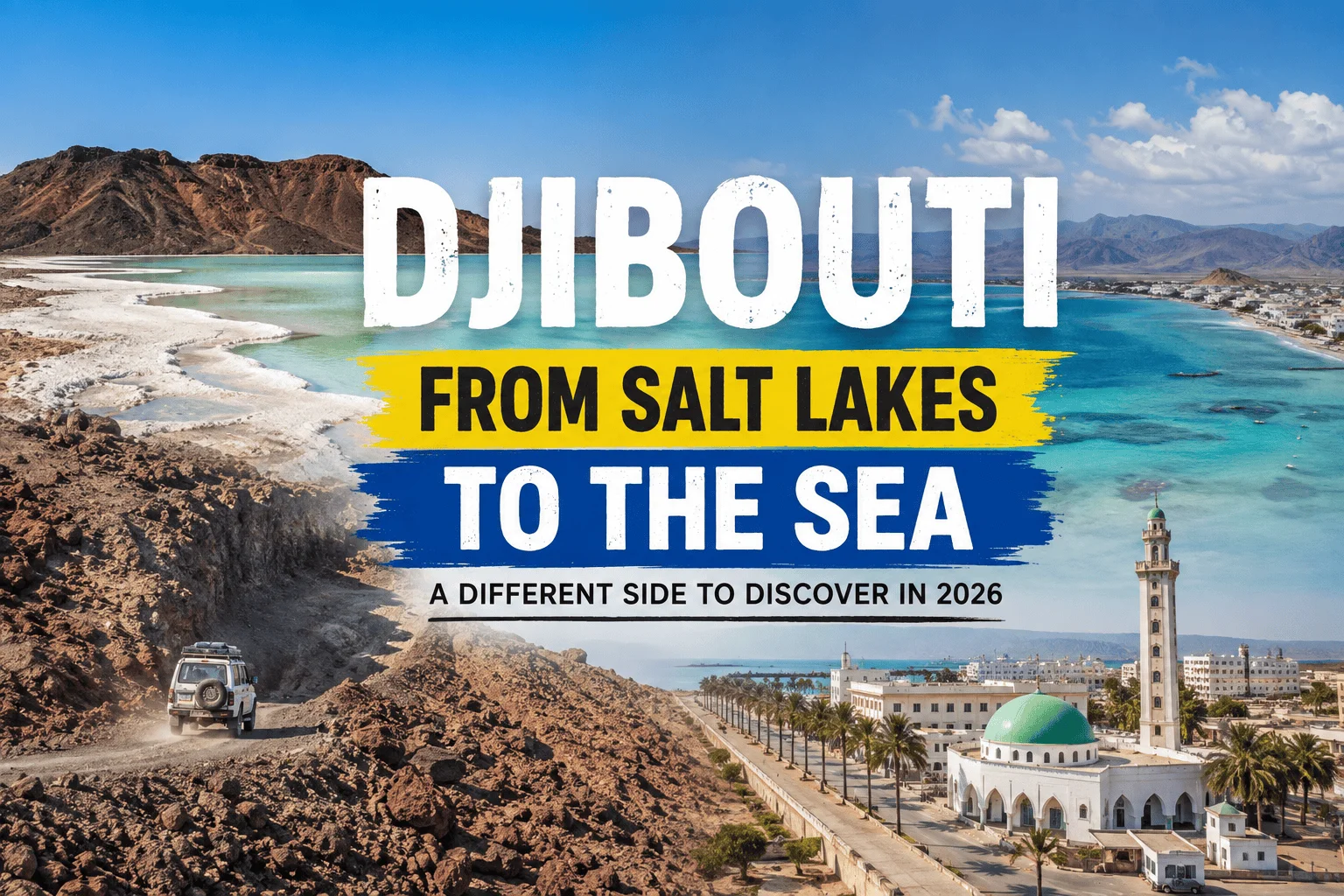
Some destinations are famous simply because everyone's heard of them. Others stick in your memory because they feel completely unlike anywhere else. Djibouti falls firmly into that second camp.For anyone chasing an unusual African destination in 2026, Djibouti packs in a combination you won't easily find elsewhere in one small country — volcanic landscapes, sweeping salt flats, a warm coastline, and a capital where African, Arab and French influences all blend together.
Lake Assal: where the landscape steals the show
If you have seen any photos from Djibouti, Lake Assal may have appeared in one of them.Lake Assal sits in an area that's rugged and dramatic—salt‑crusted ground meets volcanic rock in a way that feels almost unreal. Lake Assal is far from the lush scenery many people imagine when they think of Africa.Lake Assal is not a photo stop. The drive out through the surrounding terrain tells a story about Djibouti's geography as clear as Lake Assal itself. Because the heat around Lake Assal can be a brutal plan ahead. Bring more water than you think you need and listen carefully to local advice when you are heading into remote areas.
The Gulf of Tadjoura brings a completely different view
After days, in the dramatic interior the coast feels like a completely different country.The Gulf of Tadjoura stretches along Djibouti's coastline and is a big part of what makes the place special. Depending on the season and what's available locally you can explore the coast and look into marine activities while you are there.It's a reminder too that Djibouti is not only a desert destination. Sitting where it does between the Red Sea and the Gulf of Aden the sea is much part of its identity.
Spend time in Djibouti City
Don't build your whole trip around excursions and skip the capital. Djibouti City is where you slow down, eat well, and get a feel for everyday life in the country. Markets, side streets, small restaurants, the waterfront — it's a far more grounded experience than ticking off sights on a list.For first-timers especially, spending real time in the capital makes everything else you see afterward land a bit deeper.
Don't leave the visa until the last minute Djibouti currently runs an online e-Visa system for eligible travellers. Tourism is one option, alongside business, family/social visits and transit. As things stand, the tourism visa allows a stay of up to 30 days after you arrive.You will usually need a copy of your passport, a photo proof that you have a place to stay (or an invitation) and details about your flight. Your passport must also have at least six months of validity remaining from the date you arrive according to the current rules.Rules can and do change, so it's always worth checking the latest details before you apply.Current e-Visa info is available at Djibouti e-Visa.
A small country with a lot of character
Djibouti is not usually the place that comes to mind when you look for an African holiday and that is exactly why Djibouti may attract more adventurous travellers.Djibouti moves at a pace and is unique in its scenery. Then visiting famous landmarks you spend your days exploring salt lakes, volcanic landscapes, the coast and everyday local life in Djibouti. For 2026 Djibouti is worth a look if you want an African holiday that feels unpredictable.