Sign up with Google
 Sign in with Zoho

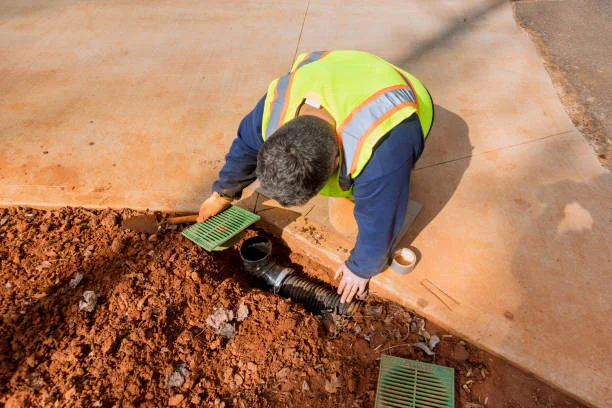
Water always wins. If your yard floods after a normal Alabama rain, you have a problem. Standing water ruins foundations, kills grass, and attracts pests. That is usually when homeowners start looking into Huntsville engineering firms for real answers.
Most people try quick fixes first. You might buy a bag of dirt or dig a shallow trench. Sometimes that works for a tiny puddle. Usually, it just pushes water to another spot in your yard.
North Alabama has tricky soil. Heavy red clay holds water like a bowl instead of letting it soak in. Add rolling hills to the mix, and runoff becomes a huge headache for homeowners across Madison County.
Signs You Have a Grading or Drainage Problem
You do not need a degree to spot bad drainage. Walk around your property right after a heavy storm. Look closely at how water moves across the ground.
Watch out for these clear warning signs:
- Water pooling near your foundation walls for over twenty-four hours after rain stops falling.
- Soggy, muddy lawn spots that never dry out completely even during sunny spring weeks.
- Soil washing away from flower beds, driveways, or downspouts during light afternoon rainstorms.
- Cracks forming in basement walls, garage floors, or exterior brick from shifting wet dirt.
- Musty smells inside your crawlspace or lower level right after wet weather hits home.
Ignoring these signs costs money later. Water seeping under a slab can shift your entire house. Fixing a cracked foundation costs ten times more than fixing your yard slope early on.
DIY Fixes vs. Professional Help
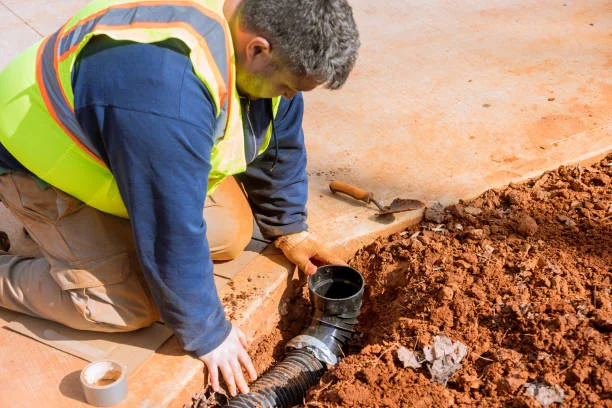
Hardware stores love selling plastic drain pipes and catch basins. For minor gutter runoff, a downspout extension does the trick. You can install one in ten minutes.
Bigger problems need math, not guesswork. If your whole yard slopes toward your back door, digging a random ditch will not save you. You might actually trap water underground.
When DIY tricks fail, consider these scenarios where professional help makes sense:
- Rainwater flows off a higher neighboring lot and floods your patio every single storm.
- You plan to build a deck, pool, or addition that changes yard water flow.
- Your sump pump runs nonstop during wet months, signaling high groundwater pressure outside.
- Surface runoff erodes steep slopes on your property, threatening fences or retaining walls.
Engineers measure exact elevations to see where water wants to go. Instead of guessing with a shovel, you get a fix that lasts.
What Actually Happens During a Site Evaluation?
Calling an engineer sounds intimidating, right? People picture giant blueprints and massive commercial sites. In reality, residential drainage checks are straightforward and practical.
An engineer walks your lot and looks at the big picture. They check the land slope, soil type, and existing drains. They also check local city rules.
Here is what a typical grading and drainage review covers:
- Checking the slope away from your home to ensure water drops six full inches.
- Mapping out low spots where surface runoff gets trapped without an easy exit path.
- Inspecting existing swales, culverts, and pipes to see if they are badly blocked.
- Checking how water enters your lot from higher ground or nearby paved city streets.
- Recommending practical fixes like French drains, targeted regrading, or small engineered retaining walls.
Good engineering is just applied common sense. You get a clear plan that a grading contractor can actually build. No guessing, and no wasted money.
Navigating City Rules and Neighbor Disputes
Moving dirt around your yard is not always a free-for-all. Cities like Huntsville and Madison have strict rules about stormwater runoff. You cannot just flood your neighbor’s driveway.
If you change the grade of your lot, you own where that water goes. Local codes protect adjacent properties from new runoff. Violating rules brings city fines or legal fights.
Experienced Huntsville engineering firms know these local rules inside and out. They design fixes that keep your yard dry and compliant. An official report also helps with stubborn builders.
Why Waiting Makes Things Worse
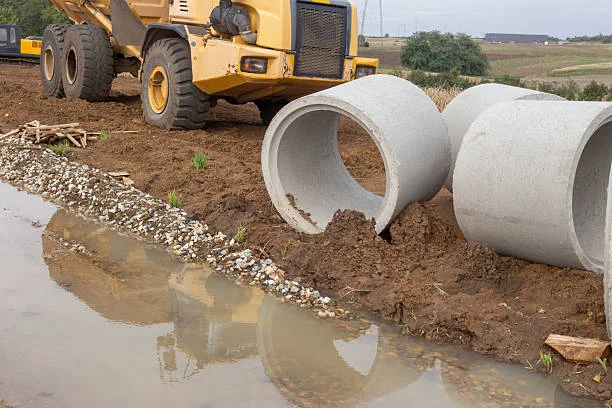
Many homeowners put off drainage work because it is not exciting. A new kitchen looks great, while underground pipes stay invisible. Still, water quietly destroys home value.
Soil erosion steals your yard inch by inch. Once topsoil washes away, growing grass becomes nearly impossible. Roots get exposed, trees weaken, and your yard looks rough.
Getting an unbiased opinion before hiring a dirt crew saves huge headaches. Firms like Ivaldi Engineering find the root cause without pushing expensive landscaping packages. You get honest facts.
Conclusion
Bad drainage will not fix itself over time. Every storm pushes more water toward your foundation and washes away your yard. Catching issues early keeps repair bills small.
If simple gutter extensions fail, stop guessing with shovels. Reach out to trusted Huntsville engineering firms to get a solid plan on paper. Once water flows properly, enjoy rainy days again.
FAQ
Q1. How much slope do I need away from my house for proper drainage?
Your yard should drop at least six inches within the first ten feet away from your foundation walls. This gentle slope uses gravity to push rainwater away from your home before it can soak into the soil and damage your slab or crawlspace.
Q2. Can I just install a French drain myself to fix a soggy yard?
You can install a basic French drain for minor puddles, but deep or wide flooding needs careful planning. If the pipe lacks a proper downward slope or has nowhere to discharge water, it will clog with red clay and stop working completely.
Q3. Do I need a permit to regrade my residential yard in Huntsville?
Small landscaping tweaks usually do not need a permit, but major dirt work often does. If you disturb large areas of soil or alter how stormwater flows onto neighboring lots, local city codes require proper review to prevent erosion and flooding issues.
Q4. Why does my yard stay muddy days after a storm in North Alabama?
North Alabama has dense red clay soil that absorbs water very slowly. Instead of draining deep underground like sandy soil, clay traps rainwater near the surface, creating stubborn puddles and soggy lawns long after the sun comes back out.
Q5. When should I call a civil engineer instead of a landscaper?
Call a civil engineer when water pools near your foundation, runs off from a neighbor’s higher lot, or causes structural cracks. Landscapers are great at installing plants and dirt, while engineers calculate exact elevations and design permanent drainage solutions.