Sign up with Google
 Sign in with Zoho
Something is shifting.
For a long stretch, most indian restaurants in eindhoven ran off the same blueprint. Identical dishes, the same laminated menu, that familiar safe rotation you could find in any European city. It functioned, and nobody thought to challenge it.
Then, bit by bit, a few began doing things another way. Not louder. Not flashier. Just different, in a way you only catch if you're paying attention.
I've had a front-row seat to this change, and it's worth unpacking, because it should reshape how you think about eating out here.
Why the Old Formula Worked
The old formula was sensible, to be fair. When you're bringing a cuisine to a fresh audience, you open with the familiar. Butter chicken, tikka masala, a naan, a biryani. It's a soft landing. People know what they're getting, they order without nerves, and the kitchen keeps a lean, predictable operation running. Nothing wrong with that, and it built the very audience that made everything after it possible.
But familiarity comes with a ceiling.
Once a city has worked through the same five dishes long enough, a few people start asking what else is out there. That quiet itch is what a handful of restaurants began scratching.
When a Menu Became a Map
Instead of yet another curry house, the concept moved closer to a map of India spread across a menu. Dishes anchored to specific regions rather than a vague national blur. Champaran Mutton from Bihar. Meen Pollichathu from Kerala. Chicken Chettinad from Tamil Nadu. Names most diners had never encountered, sat right beside the classics rather than shoving them aside.
That's the reinvention. Not binning the familiar, but refusing to stop there.
And it's a tougher kitchen to run. Considerably tougher.
The Harder Road, and the Reason to Take It
A single-region menu is straightforward. One base gravy, a few proteins, and most dishes become riffs on one theme. A regional menu means keeping several cooking traditions alive at once. Mustard oil for one plate, coconut for another, a slow dum-sealed pot for the biryani that won't be rushed no matter how packed the room gets. More labour, more skill, more that can go sideways.
So why bother?
Because the reward is a different kind of meal entirely. Diners who once ordered on autopilot started leaving with a new favourite they couldn't have named weeks earlier. That response, more than any review, told these kitchens the harder road was worth walking.
The Honest Trade-Off
Here's the bit worth being straight about, though.
This style of cooking carries a cost. When dishes hinge on what's fresh that day, some occasionally aren't available. Walk in set on one exact thing and there's a small chance it's off that night. That's frustrating, and it's the direct price of a kitchen that would rather decline than serve a version it isn't proud of.
Not every diner wants that. Some genuinely just want the same dependable plate every single time, and a standard menu suits them better. That's a fair call, and worth saying out loud instead of pretending the regional route works for everyone.
But if you're even a little curious, the change is welcome news.
It means the city now holds options that didn't exist a few years back. The comforting classics are still everywhere. What's new is that you can also find food treating India as the sprawling, varied place it genuinely is, cooked by kitchens willing to take the long way round.
Why the Timing Lined Up
Let me step back a moment, because the "why now" is interesting.
None of this happened by accident, or overnight. A shift like this needs two things to click at once. First, an audience that's eaten enough of the familiar to start craving more. Second, kitchens bold enough to bet the curiosity is real and worth the effort. For years, only the first half was in place. The appetite sat there quietly, but the supply didn't. What's changed lately is that a few kitchens finally decided to meet it, and once one place proves the demand exists, others take note.
That's usually how these things travel. Slowly, then all at once.
You can spot it in small ways already. Diners who wouldn't have touched an unpronounceable dish a few years ago now ask staff for the regional pick. Tables share more, order across the map, treat a meal as exploration rather than a fixed transaction. Those habits weren't common at scale before, and they're spreading.
The Classics Aren't Going Anywhere
The classics aren't disappearing, of course.
Nor should they. They're the reason the audience exists at all, and plenty of evenings still call for exactly that comfort. The reinvention was never about replacing them. It was about finally admitting they were never the whole story, just the part that travelled easiest.
Where Willemstraat Enters the Picture
Willemstraat has quietly become part of this story.
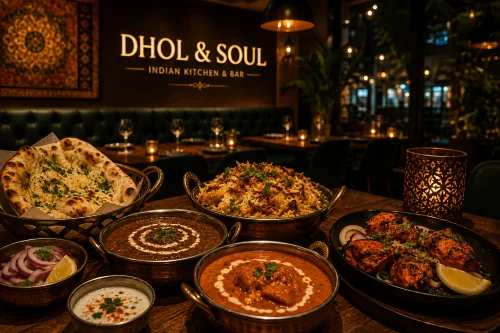
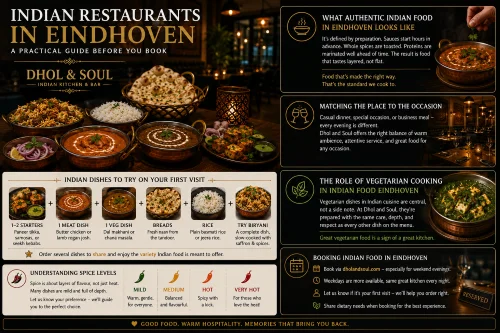
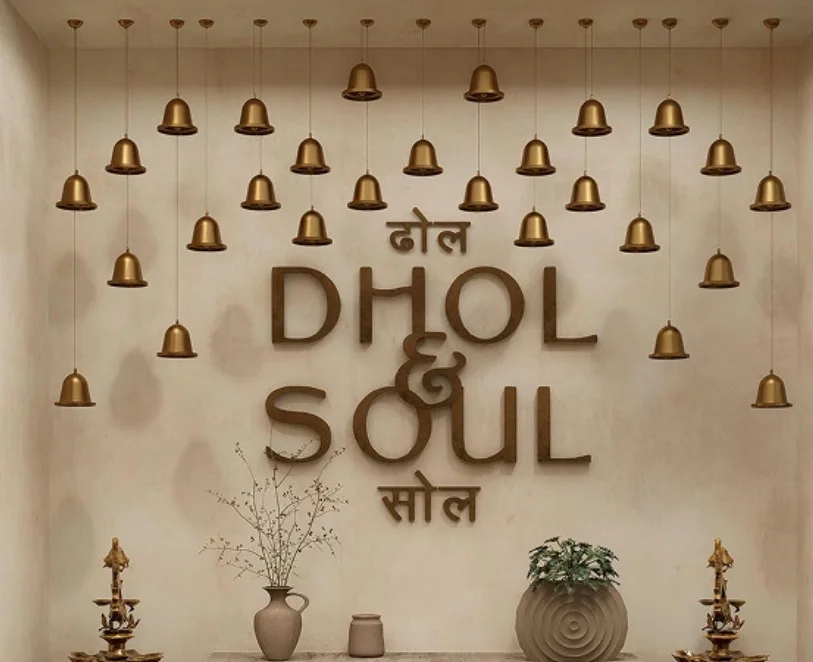
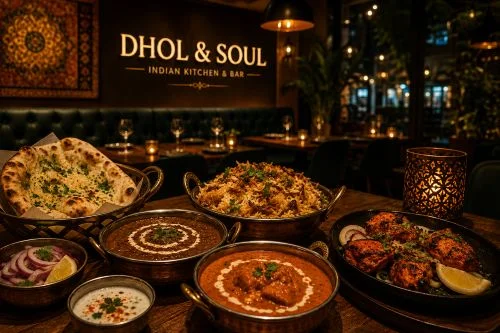
Dhol & Soul sits there, at number 61, open daily from 4:30pm to 10pm, built around precisely this regional idea. Online booking, WhatsApp for questions, and a menu that reads more like a tour than a shortlist. Weekends fill fast, which itself hints at where the city's appetite is heading.
Curry House, or Map?
The reinvention isn't finished, and it doesn't need to be.
What matters is that the choice now exists. Diners in Eindhoven aren't boxed into one version of Indian food anymore, and the restaurants driving that change keep proving there was always more on the map than the menu let on.
So next time you're choosing where to eat, ask a simple question of any place you weigh up: is this a curry house, or a map? Both have their place. But knowing which you're walking into changes everything about what you order and what you remember afterwards.
If you want to gauge how far the change has come, comparing what the offers against the old familiar shortlist is the clearest way to feel the difference yourself.