Sign up with Google
 Sign in with Zoho

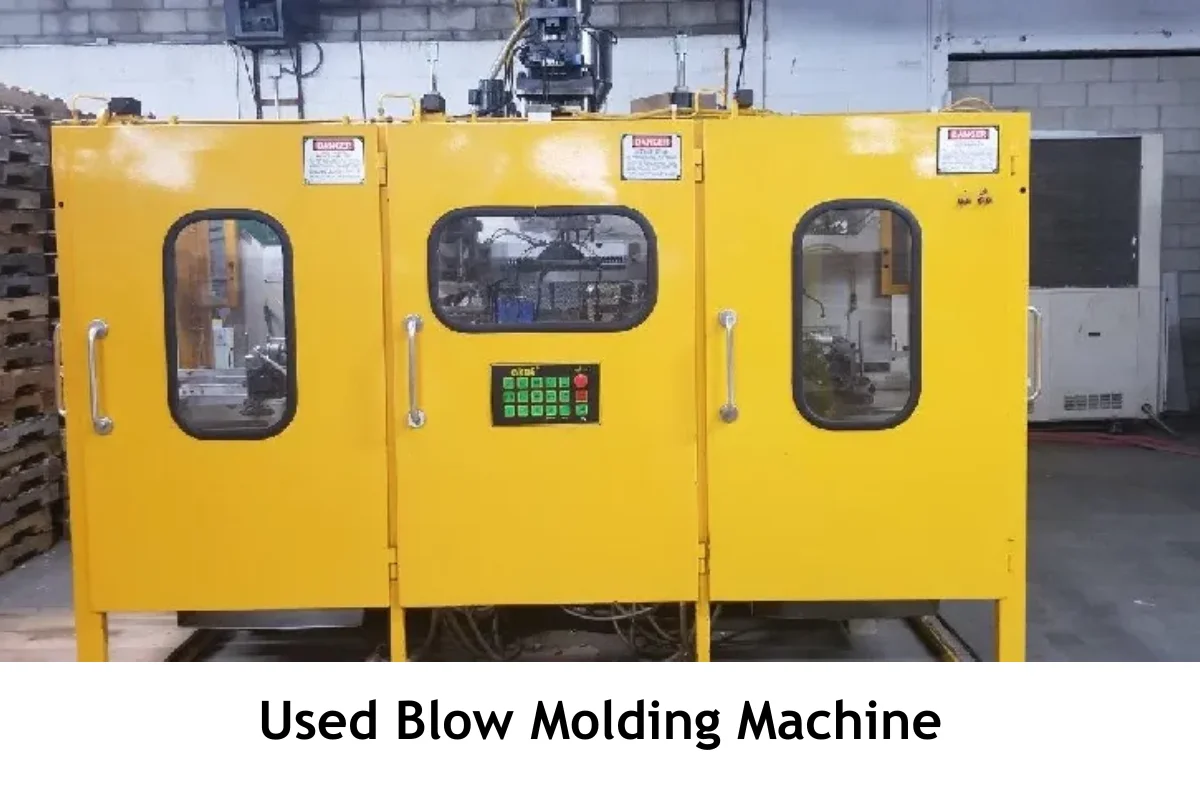
When manufacturing plastic bottles, containers, and other hollow products, extrusion and injection blow molding are two processes worth considering. Both use compressed air to shape heated plastic inside a mold, but the way they prepare the plastic is different.
This difference affects the types of products each machine can manufacture, the level of dimensional accuracy, and the production requirements. Let's look at how both processes work and what manufacturers should consider before choosing one.
What Is Extrusion Blow Molding?
In extrusion blow molding, plastic pellets are first heated inside an extruder until they melt. The machine pushes the molten plastic through a die head, forming a hollow tube known as a parison.
Once the parison reaches the required length, the mold closes around it. Compressed air is then introduced to push the plastic against the mold walls. After cooling, the mold opens and the finished product is removed.
This process is commonly used to make:
- Plastic bottles and containers
- Industrial drums
- Automotive fuel tanks
- Chemical storage containers
- Large hollow plastic components
One reason manufacturers use extrusion blow molding is its flexibility in producing products of different shapes and sizes. It is particularly useful for larger containers and products with complex hollow designs.
What Is Injection Blow Molding?
Injection blow molding follows a slightly different approach. Instead of forming a parison, the machine first injects molten plastic into a mold to create a preform. This preform already has a defined shape and neck finish.
The preform is then moved into a blow mold. Compressed air expands the heated plastic until it takes the shape of the mold. Once it cools, the finished container is removed.
This process is often used for smaller products where accurate dimensions and a consistent neck finish matter. Common applications include pharmaceutical bottles, cosmetic containers, and small packaging products.
If you are comparing Used blow molding machines, check whether the machine uses extrusion or injection technology. The two processes serve different production needs, so choosing the right type is important before investing in equipment.
Key Differences Between Extrusion and Injection Blow Molding
Although both processes produce hollow plastic products, they differ in material preparation, product design, and typical applications.
Factors to Consider When Choosing a Blow Molding Process
The product you want to manufacture is a good starting point, but there are a few other things worth checking before choosing a machine.
For example, extrusion blow molding offers flexibility when producing different container shapes and larger hollow components. However, manufacturers need to monitor parison thickness and account for excess material that may require trimming.
Injection blow molding provides better control over the preform and neck finish. This makes it useful when products need consistent dimensions and a clean finish.
Manufacturers should also look at mold costs, material usage, machine maintenance, and expected production volume. These factors can affect both the initial investment and day-to-day operating expenses.
Which Process Should You Choose?
There is no single process that works for every plastic product. The right choice depends on what you manufacture and the specifications your products need to meet.
Extrusion blow molding is generally a practical option for larger containers, industrial tanks, and products with varied shapes. Injection blow molding is worth considering for smaller containers that need consistent dimensions and neck finishes.
Before making a decision, review these requirements:
- Product size and design: Check the dimensions and shape of the finished product.
- Wall thickness: Determine how much control is needed over material distribution.
- Plastic material: Make sure the machine can process the material used in production.
- Production volume: Consider the number of units you need to manufacture.
- Mold configuration: Check whether the required mold can be used with the machine.
- Operating costs: Account for energy, maintenance, labor, and replacement parts.
If you are exploring blow molding machines for sale, compare the machine type, production capacity, material compatibility, and overall condition. Taking time to review these details can help you choose equipment that fits your manufacturing requirements without unnecessary investment.