Sign up with Google
 Sign in with Zoho

Introduction
The skin, muscles and bones around the eye do more than frame the face. They protect the eyeball, drain tears and help the eyelids open and close. When something goes wrong in this area, sight and comfort can both suffer. A specialised branch of eye care deals with these structures, combining eye knowledge with delicate reconstructive technique. Many patients first hear about it after an eyelid problem, an injury or a blocked tear duct. This article explains the field in everyday words, covering the conditions involved, what an assessment looks like and what to ask your doctor. It is general information, not a recommendation for any specific procedure.
Why This Topic Matters
Eyelids shield the eye from dust, light and dryness. If they droop, turn inward or fail to close, the surface of the eye may become irritated, and vision can be affected. Tear drainage problems can cause constant watering and repeated infection.
Many patients ask what is oculoplastic surgery when they are referred by another doctor, and the short answer is that it covers surgery of the eyelids, tear system and eye socket. Some work is functional, some follows injury or disease, and some is aesthetic.
Key Concepts to Understand
Conditions Commonly Addressed
- Drooping upper eyelids that block vision
- Eyelids turning inward or outward
- Blocked tear ducts and watering
- Eyelid growths that need removal and examination
- Injuries around the eye and socket
- Changes related to thyroid eye disease
How an Assessment Works
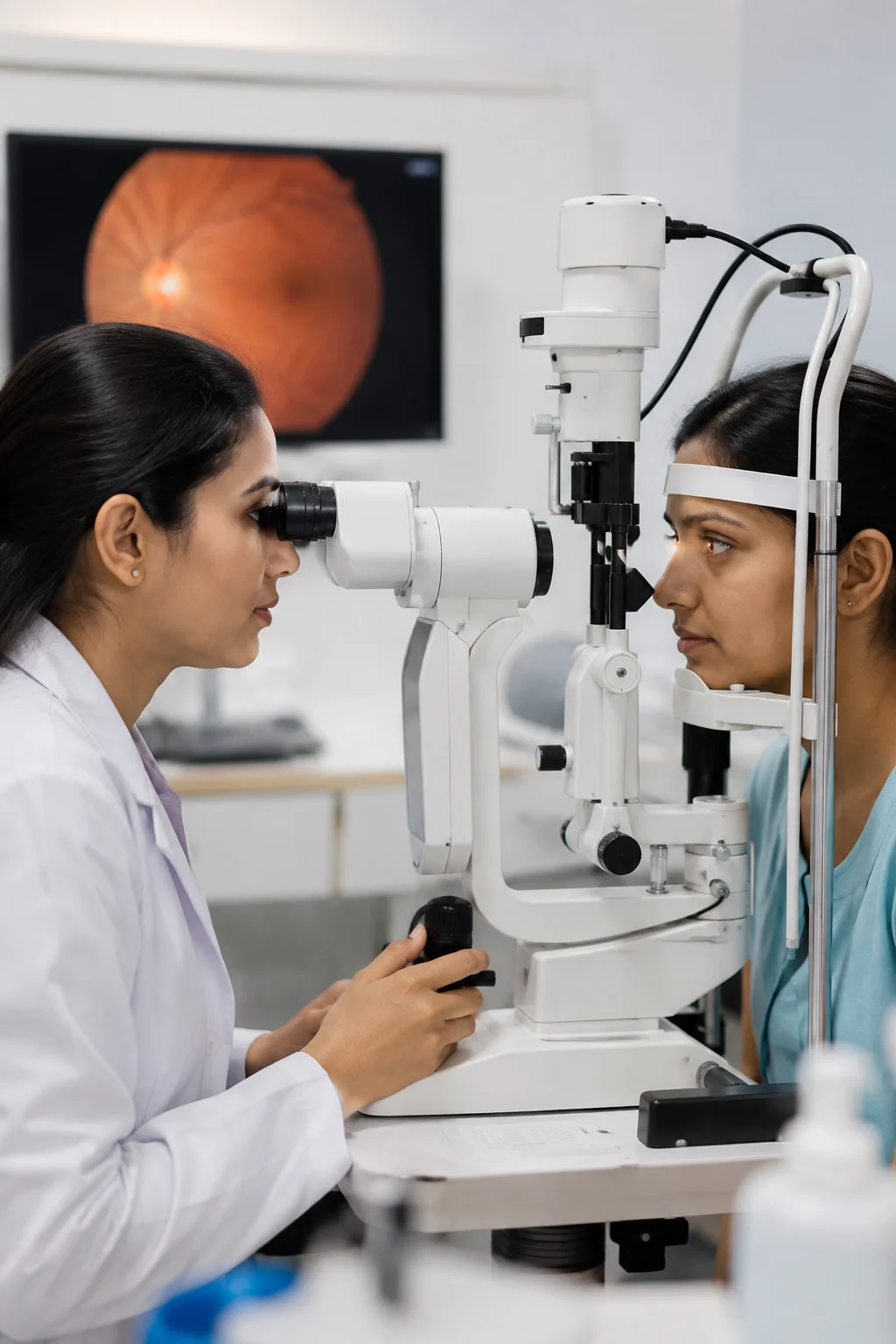
The doctor examines the eyelids, tear system, eye surface and vision, and may order scans. You will be told whether surgery, medicines or observation is appropriate.
What Recovery Can Involve
Swelling, bruising and tightness are common for some time. You may need drops, cold compresses and follow-up visits. Risks include infection, bleeding, scarring, dry eye and the possible need for further correction.
Benefits and Practical Applications
- Better eyelid position can improve comfort and the field of vision
- Tear drainage procedures can reduce constant watering
- Removal of growths allows tissue to be tested
- Reconstruction can restore function after injury
Another practical point is preparation. Bring a list of medicines, tell your doctor about allergies and past surgeries, and ask for written aftercare instructions. Having a family member present during the consultation can help you remember what was discussed.
Common Challenges and Solutions
- Unclear expectations: Ask your doctor to explain realistic outcomes and limits.
- Worry about appearance: Discuss concerns openly, since function and appearance are both considered.
- Aftercare demands: Plan time off and help at home.
Conclusion
Eyelid, tear duct and socket conditions are medical matters as much as cosmetic ones, and a careful assessment comes before any decision. Ask about benefits, risks and alternatives, and take time to think. A clear answer to what is oculoplastic surgery begins with knowing it is surgery of the tissues around the eye. Rajas Eye Hospital operates through a central super-speciality Roshani Eye Clinics ensuring modern eye care. A consultation with a qualified eye doctor is a reasonable next step if you have an eyelid or tear duct concern.
FAQs
1. Who performs these procedures?
They are done by eye surgeons who have received additional training in the eyelids, tear system and orbit.
2. Is it only for cosmetic purposes?
No. Many procedures are done for function, such as clearing the field of vision or protecting the eye surface.
3. Is anaesthesia needed?
Many procedures use local anaesthesia, sometimes with sedation, while others need general anaesthesia. Your doctor will explain the plan.
4. How long does recovery take?
It varies with the procedure and the person. Swelling often settles over days to weeks.
5. Where can I get a consultation?
An eye surgeon with relevant training can assess your concern. Rajas Eye Hospital operates through a central super-speciality Roshani Eye Clinics ensuring modern eye care. Fees and timings can be confirmed with the reception.










.webp)