Sign up with Google
 Sign in with Zoho
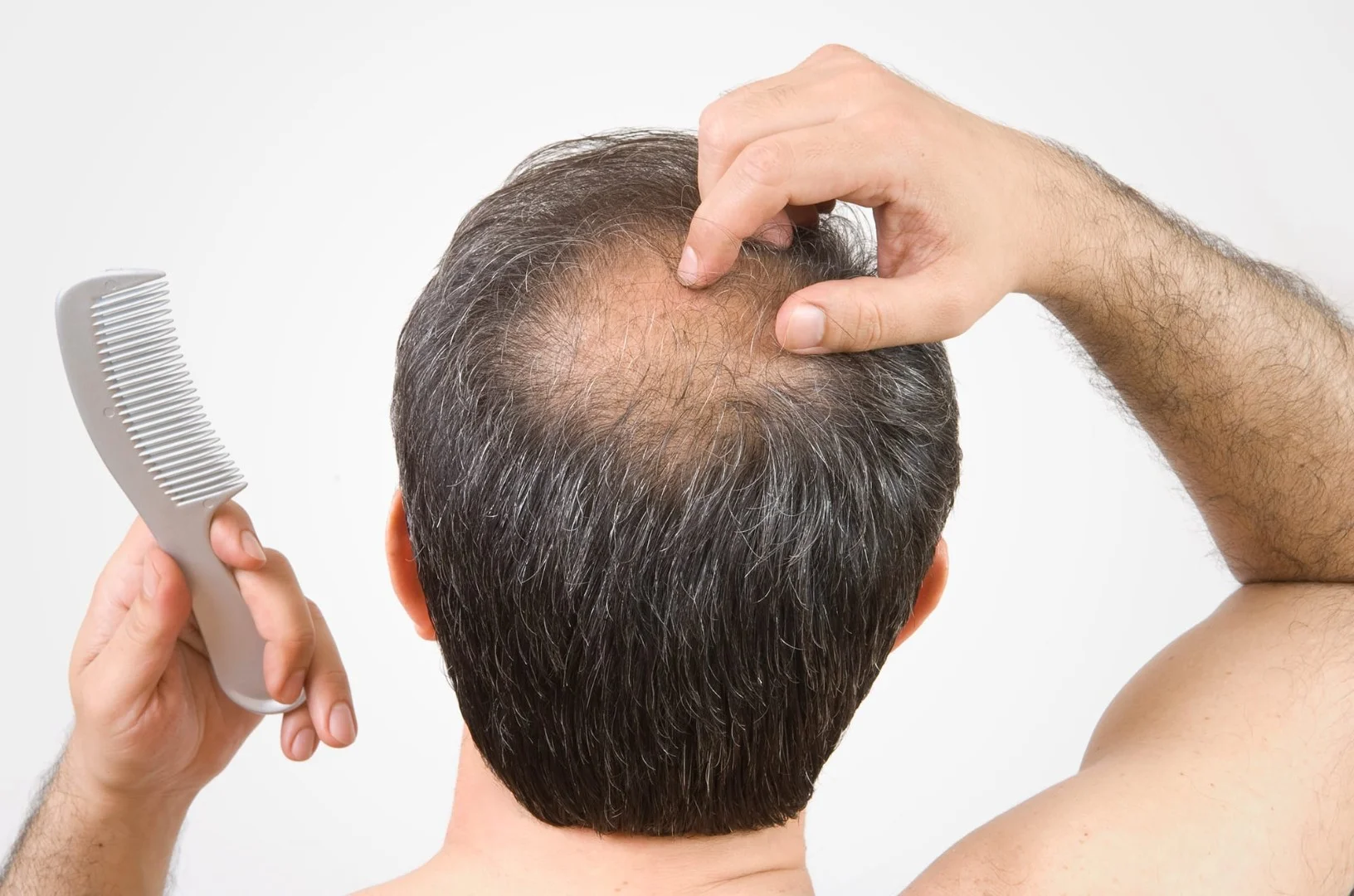
Losing hair can impact your look and your self-esteem, particularly as your hairline starts to recede or bald patches become more evident. Thinning hair can be caused by heredity, hormones, certain medical disorders and deficits in nutrition. Oils, shampoos and pills may help manage some types of hair loss, but cannot regrow hair in all cases.
If you are considering hair transplant surgery, you may have questions regarding the various techniques, the cost of treatment, the expected results and the recuperation period. Knowing these things can help you make an informed decision and know what to expect before you have the operation.
What Is Hair Transplant Surgery?
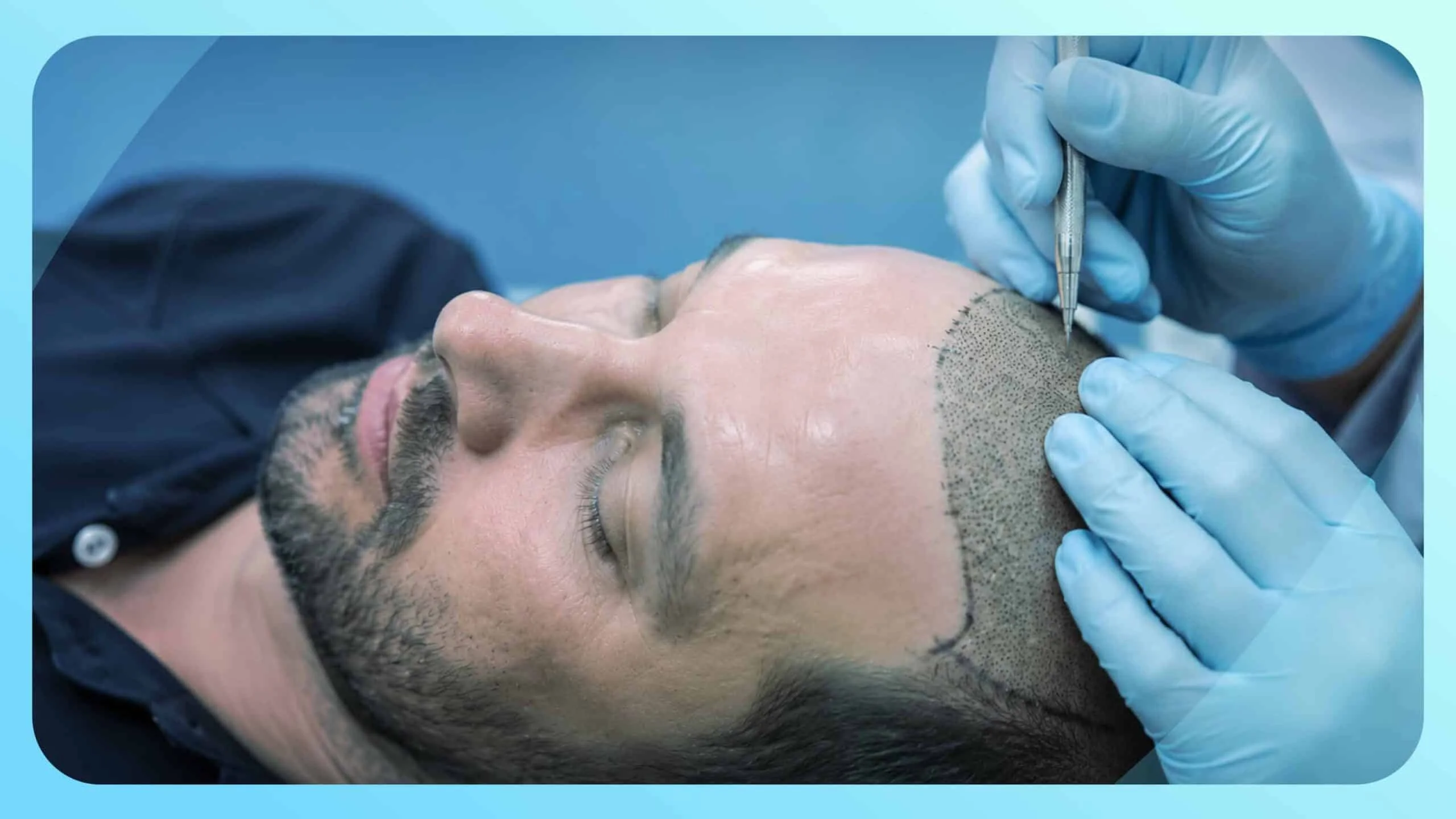
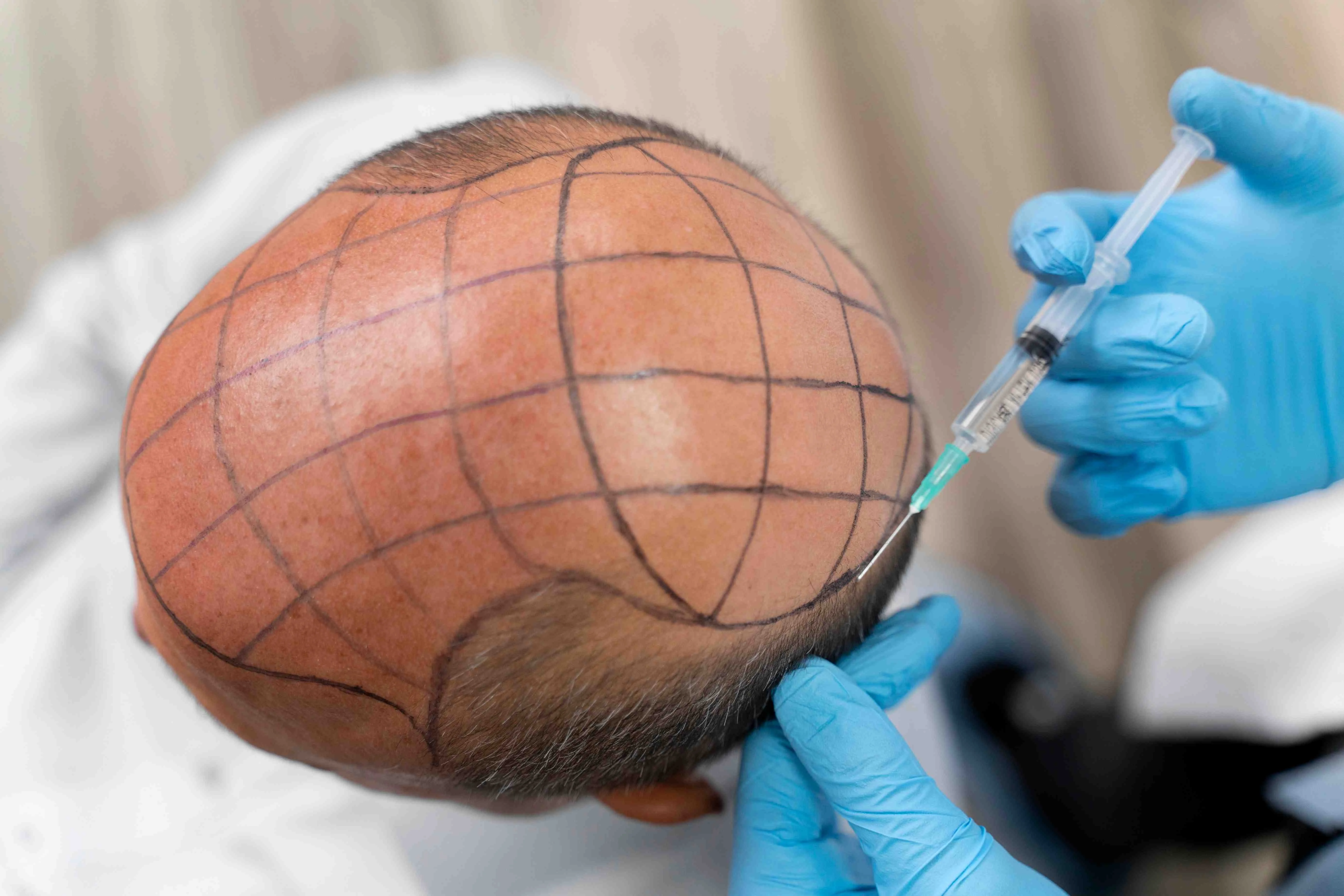
Hair transplantation is a surgical technique that involves the removal of hair follicles from a donor site, such as the back or sides of the head, and their transplantation to areas experiencing hair loss. The follicles used for transplantation are chosen because they are often less affected by the consequences of genetic hair loss.
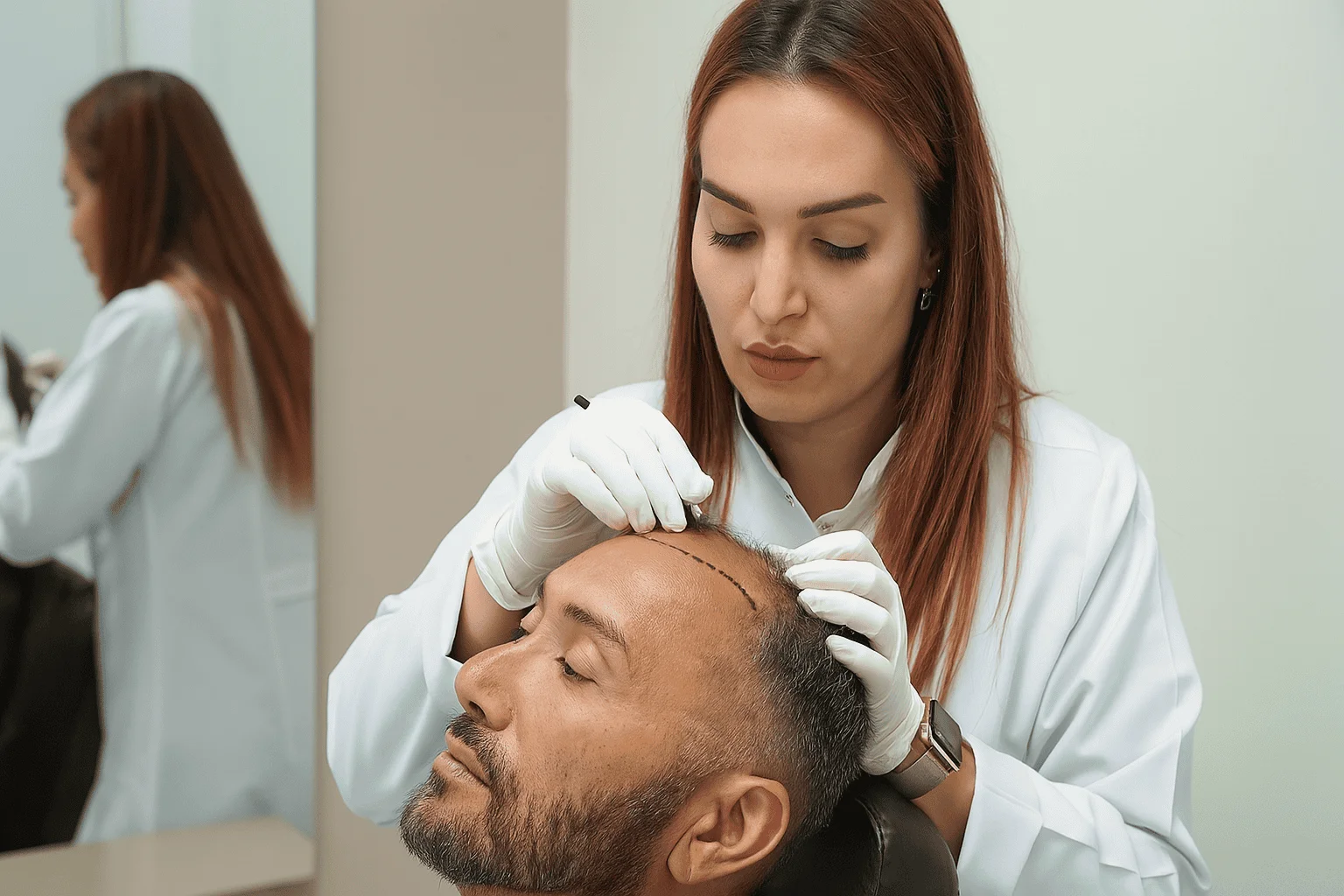
The operation is intended to enhance hair covering and to establish a natural seeming hairline. However, the final outcome depends on variables such as the quality of donor hair, the degree of hair loss, positioning of grafts and the surgeon’s planning.
A hair transplant will not reverse the thinning of existing hair elsewhere. Your doctor may prescribe medicinal treatment to assist control continued hair loss.
What Are the Different Types of Hair Transplant Surgery?
The two commonly used hair transplant techniques are FUE and FUT. The choice depends on your donor area, hair loss pattern, desired coverage and individual suitability.
1. FUE (Follicular Unit Extraction)
In FUE, the surgeon uses a specific punch device to extract individual follicular units from the donor location. These grafts are then prepared and inserted into small recipient sites in the areas where hair is thinning.
What do you need to know about FUE?
Individual follicular units are taken instead of a strip of scalp.
The scars in the donor area are little and dot-like, instead of a linear scar.
Could be good for folks who like short hair.
The donor area normally heals without complication however the period taken to repair differs.
The quantity of grafts that can be safely harvested varies upon donor hair density and scalp features.
2. FUT (Follicular Unit Transplantation)
In FUT, the surgeon takes a thin strip of scalp skin from the donor location, typically the back of the head. Under magnification the strip is then dissected into individual follicular units which are then transplanted to the recipient location.
What you need know about FUT?
In chosen patients it can offer a large number of grafts.
It causes a linear scar at the donor site.
The donor area will need sutures or other form of wound closure.
Recovery may involve more discomfort around the donor location than with FUE.
If your hair is very short, you may be able to see the scar.
There is nothing about FUE or FUT that makes it better for everyone. Your surgeon will discuss the pros and cons of each procedure based on your donor area and treatment goals .
3. DHI (Direct Hair Implantation)
DHI is a type of implantation where the harvested follicular units are implanted with a particular implanter pen. It is often viewed as a modified version of the FUE-based extraction procedure, rather than a distinct donor-harvesting technique.
Suitability relies on the surgeon’s experience, the condition of the patient’s scalp and the proposed treatment. Ask your doctor about how DHI differs from the approach they are proposing.
4. Body Hair Transplant
In some circumstances, if there is a scarcity of scalp donor hair, hair follicles can be harvested from regions such as the beard or chest. But body hair might be different from scalp hair in structure, growth cycle and length. It may not be suited for all patients or all treatment areas.
How Much Does Hair Transplant Surgery Cost in India?
Hair transplant cost in India varies depending on the number of grafts required, the technique used and the clinic where the procedure is performed. A personalised assessment is necessary to determine the actual estimate.
The main factors affecting the cost include:
- Number of grafts: Larger areas of hair loss may require more grafts.
- Technique: FUE, FUT and DHI may have different pricing structures.
- Surgeon's qualifications and experience: The doctor's expertise and involvement in the procedure are important considerations.
- Clinic facilities: Equipment, operating-room standards and trained staff can influence the overall cost.
- Location: Treatment charges may vary between cities and clinics.
Hair transplant surgery in India may cost approximately ₹40,000 to ₹1,50,000 or more, depending on the treatment plan. This is an indicative range, not a fixed price.
Before making a decision, ask for a written estimate that explains the number of grafts planned, the procedure included, the surgeon's role, medicines, follow-up appointments and any additional charges. Be cautious about choosing a clinic based only on unusually low prices.
What Results Can You Expect After a Hair Transplant?
Hair transplant results develop gradually. You should not expect to see the final outcome immediately after surgery. The transplanted hair commonly sheds during the initial weeks, while the follicles remain in the scalp and may produce new hair later.
Here is a general timeline:
- First 2–3 weeks: Transplanted hair shafts may shed. This is commonly known as shock shedding and is generally an expected part of recovery.
- Months 3–4: Early new hair growth may become noticeable, although growth can be uneven.
- Months 6–8: Hair growth and coverage usually become more visible.
- Months 12–18: The transplanted hair continues to mature, and the overall result becomes easier to assess.
The timeline varies between individuals. Hair characteristics, graft survival, scalp condition and the extent of hair loss can all influence the outcome.
A hair transplant can improve coverage, but it cannot guarantee a particular density or restore your original teenage hairline. Your surgeon should discuss realistic expectations before the procedure.
What Is the Recovery Process After Hair Transplant Surgery?
Hair transplant surgery is usually performed under local anaesthesia. You may feel some pressure or discomfort during the procedure, but the treated areas are numbed. Most patients can return home on the same day, depending on the procedure and their condition.
What Should You Do After Surgery?
Follow your surgeon's instructions carefully because the transplanted grafts need protection during the initial healing period.
- Sleep carefully: Keep your head slightly elevated if advised by your surgeon.
- Protect the transplanted area: Avoid touching, scratching or rubbing the grafts.
- Wash your scalp gently: Follow the clinic's instructions on when and how to wash your hair.
- Avoid strenuous activities: Temporarily avoid heavy exercise, swimming and activities that may cause sweating or injury, as advised.
- Take prescribed medicines: Use medications exactly as directed by your doctor.
- Protect your scalp from the sun: Avoid direct exposure during the early healing period and follow your surgeon's advice.
- Avoid smoking: Smoking can interfere with wound healing. Discuss alcohol use and when it is safe to resume with your doctor.
Mild redness, swelling, tenderness and small scabs can occur during the initial recovery period. Many patients return to desk-based work within several days, but this depends on the extent of the procedure and individual healing.
Contact your clinic if you experience increasing pain, spreading redness, fever, pus or other symptoms that concern you.
How Should You Choose a Hair Transplant Surgeon and Clinic?
Choosing the right surgeon is an important part of planning your hair transplant. The procedure requires careful assessment, donor-area management, hairline design and appropriate graft placement.
Before selecting a surgeon, consider the following:
- Check the surgeon's recognised medical qualifications and relevant surgical training.
- Ask who will perform the extraction, recipient-site creation and implantation.
- Review before-and-after photographs of patients with a similar hair loss pattern.
- Discuss the proposed graft count and whether it is appropriate for your donor area.
- Ask about possible complications, limitations and long-term hair loss management.
- Confirm that the clinic follows appropriate hygiene, sterilisation and patient-care protocols.
- Understand the follow-up arrangements after surgery.
If you are considering treatment in the capital region, consulting an experienced Hair Transplant Surgeon in Delhi can help you understand your suitability, donor hair availability and treatment options.
You should also evaluate the clinic's facilities and aftercare arrangements. When searching for a Hair Transplant Clinic in Delhi, look beyond advertisements and pricing. Check the medical team's credentials, the surgeon's involvement and the quality of patient care before making your decision.
Is Hair Transplant Surgery Suitable for Everyone?
No. Hair transplant surgery is not suitable for every person experiencing hair loss. Your doctor needs to identify the cause and determine whether you have enough healthy donor hair for transplantation.
You may be considered a suitable candidate if:
- You have pattern hair loss or another suitable form of permanent hair loss.
- Your hair loss pattern and donor area have been assessed.
- You have sufficient healthy donor follicles.
- Your general health allows you to undergo surgery.
- You understand the likely coverage and limitations of the procedure.
You may need to delay surgery if your hair loss is still progressing rapidly, the cause has not been diagnosed or an underlying scalp condition needs treatment. Younger patients may also require careful long-term planning because hair loss can continue after transplantation.
A consultation and scalp assessment can help determine whether surgery, medical treatment or a combination of approaches is appropriate.
Final Thoughts
Hair transplant surgery can improve hair coverage and create a natural-looking appearance in suitable patients. However, choosing the right technique is only one part of the process. Your donor hair, pattern of hair loss, surgeon's expertise and long-term hair management plan also matter.
Before proceeding, discuss your expectations, estimated graft requirement, total cost, possible risks and recovery instructions with a qualified surgeon. A detailed consultation can help you decide whether a hair transplant is the right option for your needs.
Frequently Asked Questions
Is hair transplant surgery permanent?
Transplanted follicles are generally taken from areas more resistant to genetic hair loss, so they can continue growing for many years. However, surrounding non-transplanted hair may continue to thin. Long-term results vary between individuals.
Is hair transplant surgery painful?
The procedure is usually performed under local anaesthesia, which numbs the treatment areas. You may experience some discomfort during anaesthesia administration and mild soreness after surgery.
How many grafts are needed for a hair transplant?
The number depends on the size of the thinning or bald area, donor hair availability, hair characteristics and desired coverage. Your surgeon can estimate the graft requirement after examining your scalp.
When can I return to work after a hair transplant?
Many people with desk-based jobs return within a few days to a week. The timing depends on the procedure, swelling, discomfort and the nature of your work. Follow your surgeon's advice.
Will I need medicines after a hair transplant?
Your doctor may recommend medicines to manage ongoing hair loss and help preserve existing hair. The need for medication depends on your diagnosis and medical history.