Sign up with Google
 Sign in with Zoho

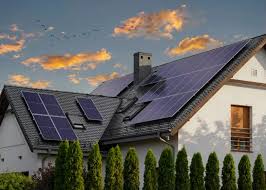
Choosing solar is often described as a green decision, yet thoughtful buyers want specifics. They ask, what is the environmental impact of solar energy, and how does it compare with the electricity they use today? This blog offers a practical homeowner view, so that environmental goals and financial goals can be weighed together.
What Is the Environmental Impact of Solar Energy for a Typical Home?
A home that produces its own power reduces the demand placed on fossil fuel plants. Over many years, the avoided emissions are considerable, and they begin as soon as the system is switched on. The panels themselves create no noise, no exhaust and no fuel waste. Because they sit on an existing roof, they leave natural land untouched, which is a real advantage compared with large utility sites.
Air and Water Benefits That Add Up
Air quality is another practical benefit. Fewer emissions from power plants mean fewer particles and pollutants in the air that families breathe, and this matters in regions where smoke and smog already affect daily life. Solar also needs very little water compared with traditional generation, which is valuable in a state that regularly faces drought. These gains are modest for a single home, yet they accumulate as more roofs join the grid.
The Honest Side of the Story
No energy source is perfect. Panel manufacturing uses energy and materials, batteries require careful sourcing, and equipment must eventually be recycled. These points matter, yet they are one time costs spread across decades of clean production. Choosing durable equipment and a well engineered design is the best way to improve the balance, because longer system life means more clean energy for each unit of material used. Recycling programs are also expanding, and many valuable materials in panels can be recovered rather than discarded.
Questions Worth Asking Before You Sign
Ask how long the equipment is expected to last, what warranties apply and who will service the system when questions arise. Ask how the design was matched to your roof and your usage, since oversized or poorly placed systems waste resources. Simply Solar encourages these questions and offers virtual consultations as well as in home visits, with certified installers and a twenty five year workmanship warranty that supports long term performance.
Connecting Environmental Value and Savings
Environmental benefits and financial benefits often travel together. A system that performs well for decades lowers your bills and keeps clean energy flowing for just as long. When you understand what is the environmental impact of solar energy in practical terms, the comparison with grid electricity becomes much easier to judge.
Conclusion
Solar is not perfect, but it is a strong improvement for most households. Small choices made at the planning stage often shape results for the next twenty years. Look at the whole life of the system, ask direct questions and choose a provider who will maintain what is built. With those steps in place, homeowners can enjoy lower bills and a cleaner footprint with confidence.