Sign up with Google
 Sign in with Zoho
The automotive industry depends on components that can handle demanding conditions without compromising reliability. From engine lubrication systems to specialized tubing assemblies, every part has a role in keeping vehicles operating as intended. For manufacturers, repair professionals, and fleet operators, choosing the right materials is an important part of maintaining quality and reducing unnecessary maintenance.
Stainless steel has become a valuable material in many automotive and industrial applications because of its corrosion resistance, durability, and versatility. When selected according to the requirements of a particular application, stainless steel components can provide dependable service in environments where moisture, vibration, and temperature changes are common.
The Growing Importance of Stainless Steel Auto Parts
Automotive components often operate under challenging conditions. Commercial trucks, in particular, may spend long hours on the road while carrying heavy loads and experiencing continuous vibration. Components used in these vehicles need to be appropriate for their intended applications and manufactured to suitable specifications.
Working with a reliable stainless steel auto parts manufacturer USA can help businesses source components for automotive and heavy-duty applications. American manufacturers serving this sector may offer products designed for specific vehicle systems, industrial requirements, and replacement-part needs.
When choosing a manufacturer, buyers should look beyond price alone. Material specifications, product dimensions, application compatibility, and manufacturing consistency are all important factors. Clear product information can make it easier to identify suitable components and avoid problems during installation.
Why Stainless Steel Tubing Is Used in Automotive Applications
Tubing serves several purposes across automotive and industrial systems. Depending on its design, it may carry fluids, connect mechanical components, or form part of a larger assembly. The tubing material must be suitable for the operating environment and the demands of the application.
Businesses searching for stainless steel tube manufactured in the USA should consider factors such as diameter, wall thickness, length, material grade, and connection requirements before making a purchase.
Stainless steel is often selected where corrosion resistance and durability are priorities. However, not every stainless steel tube is suitable for every application. Correct specifications and compatibility with surrounding components remain essential for safe installation and dependable performance.
Regular inspection is equally important. Checking tubing for physical damage, corrosion, loose connections, and signs of leakage can help technicians identify developing problems before they lead to more extensive repairs.
The Role of Stainless Steel Engine Oil Tubes
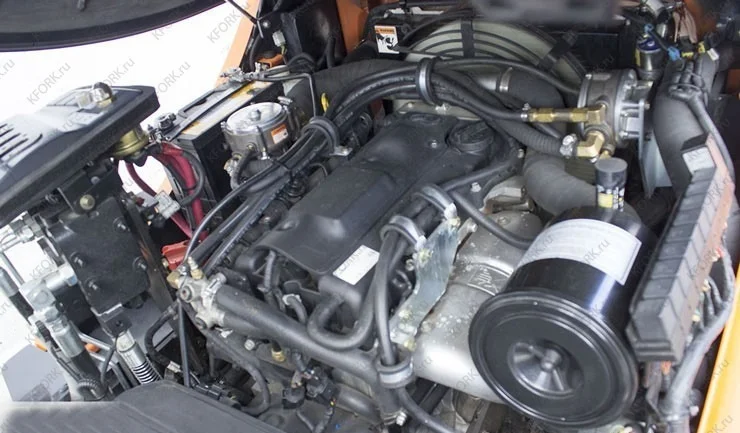
Engine lubrication is essential for reducing friction between moving parts and helping protect the engine during operation. Oil must travel through designated passages to reach the components that require lubrication. The condition of the related tubes and connections is therefore an important part of engine maintenance.
Stainless steel engine oil tubes may be suitable for specific applications where their material properties meet the engine system's requirements. As with any engine component, the correct dimensions, connection design, and application compatibility should be confirmed before installation.
A damaged oil tube or loose connection can lead to leakage and may affect the reliability of the lubrication system. During routine maintenance, technicians should look for visible damage, oil residue, corrosion, and signs of an insecure connection.
When replacing an oil tube, inspecting nearby fittings and mounting points can also be beneficial. This helps ensure that the repair addresses the condition of the surrounding assembly rather than just replacing one visibly damaged component.
Making Better Decisions When Sourcing Automotive Components
Finding suitable automotive parts involves balancing product quality, compatibility, availability, and cost. A component that looks similar to the original may not be appropriate if its specifications differ from the vehicle manufacturer's requirements.
Before ordering, buyers should review product descriptions carefully and confirm measurements, connection types, and intended applications. For businesses maintaining multiple vehicles or equipment types, keeping accurate part numbers and maintenance records can also make future purchasing decisions easier.
It is worth establishing a relationship with a supplier that provides useful product information and understands the requirements of automotive and industrial customers. Reliable sourcing practices can help reduce ordering errors, installation delays, and avoidable maintenance expenses.
Preventive Maintenance Helps Protect Component Performance
Even durable components need appropriate inspection and maintenance. Regular checks can help identify wear, corrosion, leakage, and other problems before they affect connected systems.
For automotive tubing and engine oil components, useful practices include following recommended service intervals, checking connections during scheduled maintenance, and replacing damaged parts with compatible alternatives. Repairs should always follow the relevant manufacturer's guidance.
A proactive approach to maintenance can help businesses manage repair schedules more effectively and support the long-term serviceability of their vehicles and equipment.
Conclusion
Stainless steel components play an important role in many automotive and industrial applications. Their usefulness depends on selecting the right material, confirming product specifications, and ensuring that each component matches its intended purpose.
Whether sourcing general automotive parts, stainless steel tubing, or engine oil tubes, buyers benefit from careful product evaluation and consistent maintenance practices. By prioritizing compatibility and quality, manufacturers, technicians, and fleet operators can make more informed decisions and support reliable vehicle operation.