Sign up with Google
 Sign in with Zoho

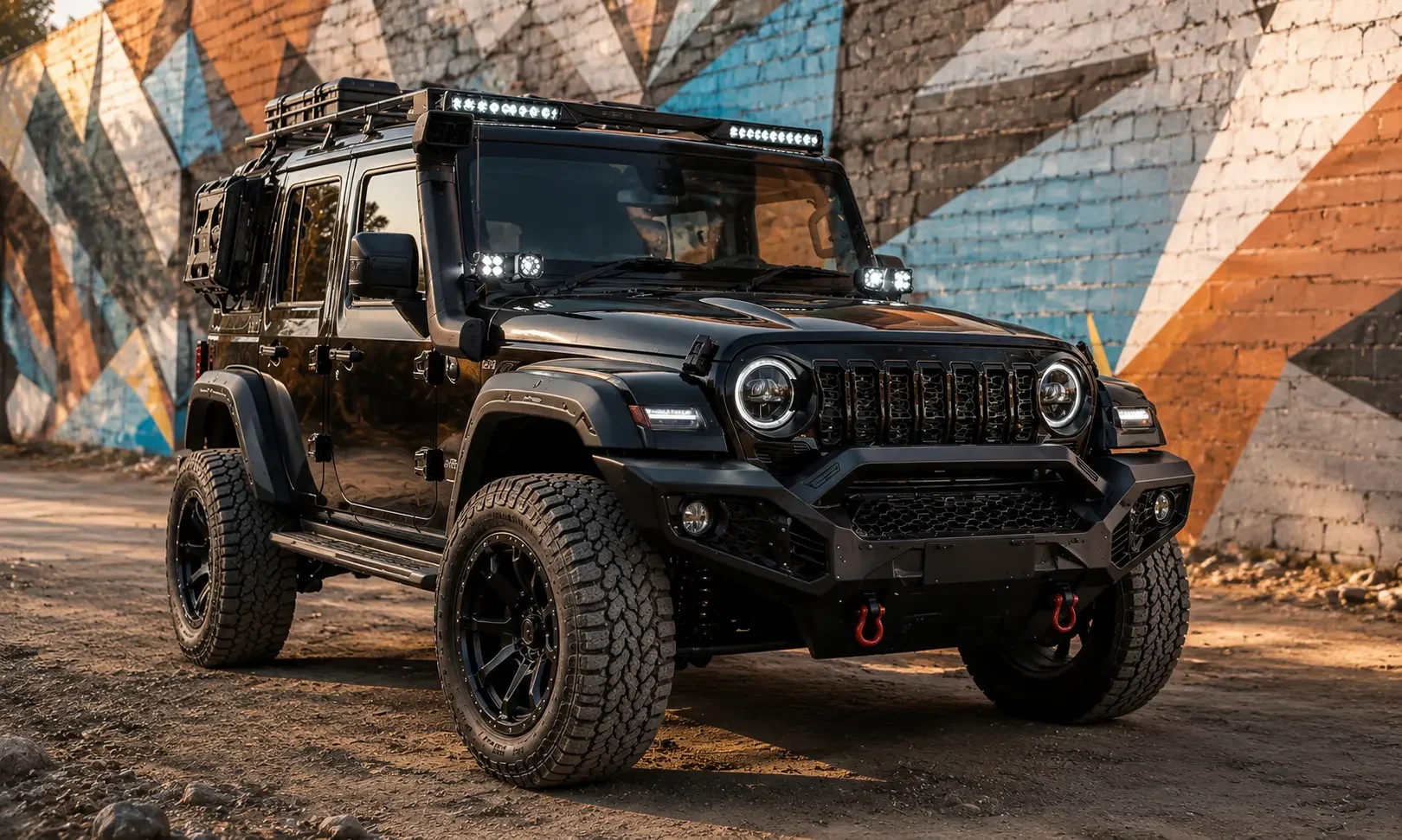
A decade ago, a car in India rarely left the showroom carrying anything beyond what the manufacturer bolted on at the factory. That's no longer the case. Spend five minutes walking through a residential parking lot in almost any mid-sized Indian city and the evidence is everywhere — grills that don't match the factory catalog, mirror covers in finishes no dealership ever offered, roof racks bolted onto SUVs that have probably never left tarmac. What used to be a small enthusiast hobby has quietly become close to standard practice, and the shift says a fair amount about how car ownership itself has changed in the country.
From Functional Purchase to Ongoing Project
There was a time when a car was treated much like a large appliance — bought, used, serviced, eventually traded in. That mindset has loosened considerably, especially among SUV owners. The Mahindra Thar, Maruti Suzuki Jimny, and Scorpio in particular have turned into platforms people keep working on rather than vehicles they simply own. A grill swap this month, wheel spacers the next, maybe a roof rack before a long weekend trip — the car keeps changing well past its delivery date.
Sedan and hatchback owners follow a quieter version of the same habit, usually sticking to interior styling and lighting upgrades rather than anything that touches the exterior panels.
Why This Shift Happened
A handful of things pushed this along. Social media turned a fairly private hobby into something people now actively film and post, which naturally accelerated interest. The aftermarket accessories industry also matured a great deal — products coming out of it today often rival OEM fit and finish in a way that simply wasn't true ten years back. And SUV ownership itself has climbed sharply, not just in the big metros but well into tier-two cities, bringing in a large group of owners who think of their vehicle as something closer to a personal statement than pure transport.
What This Means for Today's Buyer
The downside of any category growing this fast is that quality control doesn't scale evenly with it. Two products that look almost identical in an online listing can turn out to be worlds apart once they arrive — different material grade, different fitment precision, different lifespan. That gap is exactly why buyer education matters more now than it did when the category was smaller and more niche.
Interior Accessories: Where Most People Start
Interior accessories — dashboard trays, gear knobs, ambient lighting kits, grab handles — remain the easiest way into the category. They go in quickly, don't touch the vehicle's structure, and come out just as easily if tastes change six months later.
Exterior Accessories: Where Precision Becomes Critical
Grills, bumpers, spoilers, and body kits ask for a much more careful approach. Even within the same model, mounting points can shift between facelift years, so a part that looks identical to a buyer's car in a product photo can still refuse to sit flush once it arrives. On newer vehicles carrying ADAS sensors, bumpers need to be built around sensor placement specifically — matching the panel outline alone isn't enough anymore.
Safety Accessories: Often Underrated
A fair chunk of what gets filed under styling is doing real work behind the scenes. Under-body shields protect the engine and fuel tank from impact when the terrain gets rough. Roll bars add genuine structural backup. A decent fog lamp upgrade makes a noticeable difference once monsoon season sets in across most of the country. These tend to deserve more priority than they get, particularly for SUVs that see any rough terrain at all.
Electronic Accessories: A Category That Requires Caution
Anything wired in — LED lighting, ambient kits, roof-mounted light bars — carries a different kind of risk than a bolt-on part. A poor connection can quietly drain a battery overnight, and in worse cases lead to a short circuit. Getting a mechanic to glance over the installation afterward, even for a kit sold as plug-and-play, is a small step that heads off much bigger headaches later.
OEM vs Aftermarket: A Practical Distinction
OEM accessories, built or approved directly by the manufacturer, come with near-guaranteed fitment but a design range limited to whatever the manufacturer happens to offer, usually at a higher price. Aftermarket accessories, made by independent brands, open up a lot more design choice, though fitment quality can swing considerably depending on the brand. The real skill for a buyer is figuring out which aftermarket brands actually hold up — checking reputation and asking for real fitment evidence rather than trusting a studio render.
A Compatibility Checklist Worth Following
- Confirm the exact model, generation, and year before ordering anything exterior
- Check whether the variant has ADAS sensors that could conflict with a bumper or grill
- Request real fitment photos on the specific model from the seller
- Confirm the correct offset for wheel spacers based on the exact variant
- Verify actual mounting dimensions for "universal" accessories rather than trusting the label
Common Mistakes Worth Avoiding
- Ordering exterior parts without confirming the exact variant year
- Assuming a universal fit claim removes the need for measurement checks
- Prioritizing the lowest price over LED chip quality on lighting products
- Skipping a professional check after electrical installation
- Not reviewing the seller's return policy before payment
Frequently Asked Questions
Q : Why has car customization become so common in India specifically?
A : Rising SUV ownership, greater visibility through social media, and a more mature aftermarket accessories industry have together made personalization far more accessible than it was a decade back.
Q : Are aftermarket accessories generally reliable?
A : It really depends on the brand. Established names can match OEM-level fit closely, while weaker ones fall noticeably short, which is why checking reputation before ordering matters so much.
Q : What's the safest way to begin personalizing a vehicle?
A : Interior accessories tend to be the lowest-risk starting point, since nothing structural is involved and everything can be undone easily.
Q : Do exterior accessories affect resale value?
A : Accessories chosen with some restraint and fitted properly tend to be resale-neutral or mildly positive. Anything poorly fitted or visibly damaged usually works against resale value instead.
Closing Thoughts
Car accessories in India have moved from a niche interest into something close to a default part of vehicle ownership, and there's little sign of that slowing down. For buyers navigating this expanding space, the basics hold steady no matter how many new products show up: confirm compatibility before anything else, favor material quality over the lowest price tag, and treat anything electrical with a bit of extra caution. Anyone exploring current options can browse Car Accessories for styling, lighting, and functional upgrades suited to a range of vehicle types.