Sign up with Google
 Sign in with Zoho

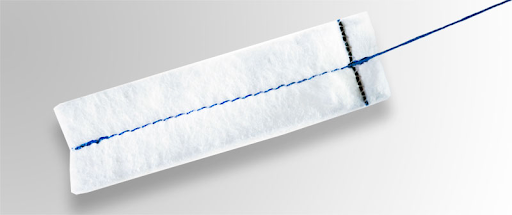
Maintaining sterility in surgical environments is essential for safe and effective outcomes. Every material that comes into contact with internal tissues must adhere to strict hygiene standards. In particular, the use of surgical cottonoids in delicate surgeries requires careful handling, as these small, absorbent pads help maintain cleanliness and precision. Even minor contamination can lead to serious complications, making sterility a non-negotiable aspect of their use.
What Surgical Cottonoids Are Used For
Surgical cottonoids are small, absorbent pads designed to manage fluids and protect delicate tissues during surgery. Surgeons use them in procedures involving the brain, spine, and other sensitive areas. Their soft structure allows them to sit safely on exposed tissues without causing damage. They help absorb blood and fluids, keeping the surgical field clear and improving visibility. In addition to absorption, they act as a protective layer between surgical instruments and tissues, supporting precision during complex procedures.
How Sterility Directly Impacts Patient Safety
Sterility helps prevent harmful microorganisms from entering the body during surgery. When materials are free from contamination, the risk of infection reduces significantly. Cottonoids remain in contact with internal tissues for a period of time, which increases the importance of keeping them sterile. Even a small amount of contamination can introduce bacteria into the surgical site. This can lead to infections that affect recovery and overall patient health. Maintaining sterile conditions supports better outcomes and reduces avoidable complications.
Clinical Risks Linked to Contaminated Cottonoids
The use of non-sterile materials can result in multiple clinical risks that directly affect both the patient and the surgical process.
- Surgical site infections
- Delayed healing
- Longer hospital stays
- Additional treatments or repeat procedures
- Reduced surgical efficiency due to poor fluid control
These risks can increase the burden on healthcare systems and impact patient recovery, which is why sterility must be maintained at every stage.
Sterilization Standards and Manufacturing Controls
Strict manufacturing practices ensure that cottonoids meet required sterility standards before reaching healthcare facilities.
- Use of approved sterilization methods, such as steam or radiation
- Sealed and tamper-proof packaging to prevent exposure
- Batch-level quality checks to confirm sterility
- Single-use design to eliminate reuse-related contamination
These measures help maintain consistency and ensure that each product is safe for surgical use.
Handling Practices Inside the Operating Room
Even after manufacturing, proper handling is necessary to preserve sterility until the point of use.
- Storage in clean and controlled environments
- Opening packaging only when required
- Use of sterile handling techniques during procedures
- Adherence to established protocols by trained staff
Following these practices ensures that cottonoids remain uncontaminated and effective during surgery.
Conclusion
Maintaining sterility is vital for patient safety and successful surgical outcomes. Surgical cottonoids, which come into direct contact with sensitive tissues, must remain sterile throughout manufacturing, storage, and use. Strict sterilization standards, careful handling, and adherence to operating room protocols help prevent infections and complications. By ensuring cottonoids are clean and properly managed, surgeons can maintain a clear surgical field, protect delicate tissues, and support precise procedures, ultimately contributing to smoother surgeries and faster patient recovery.




.webp)