Sign up with Google
 Sign in with Zoho

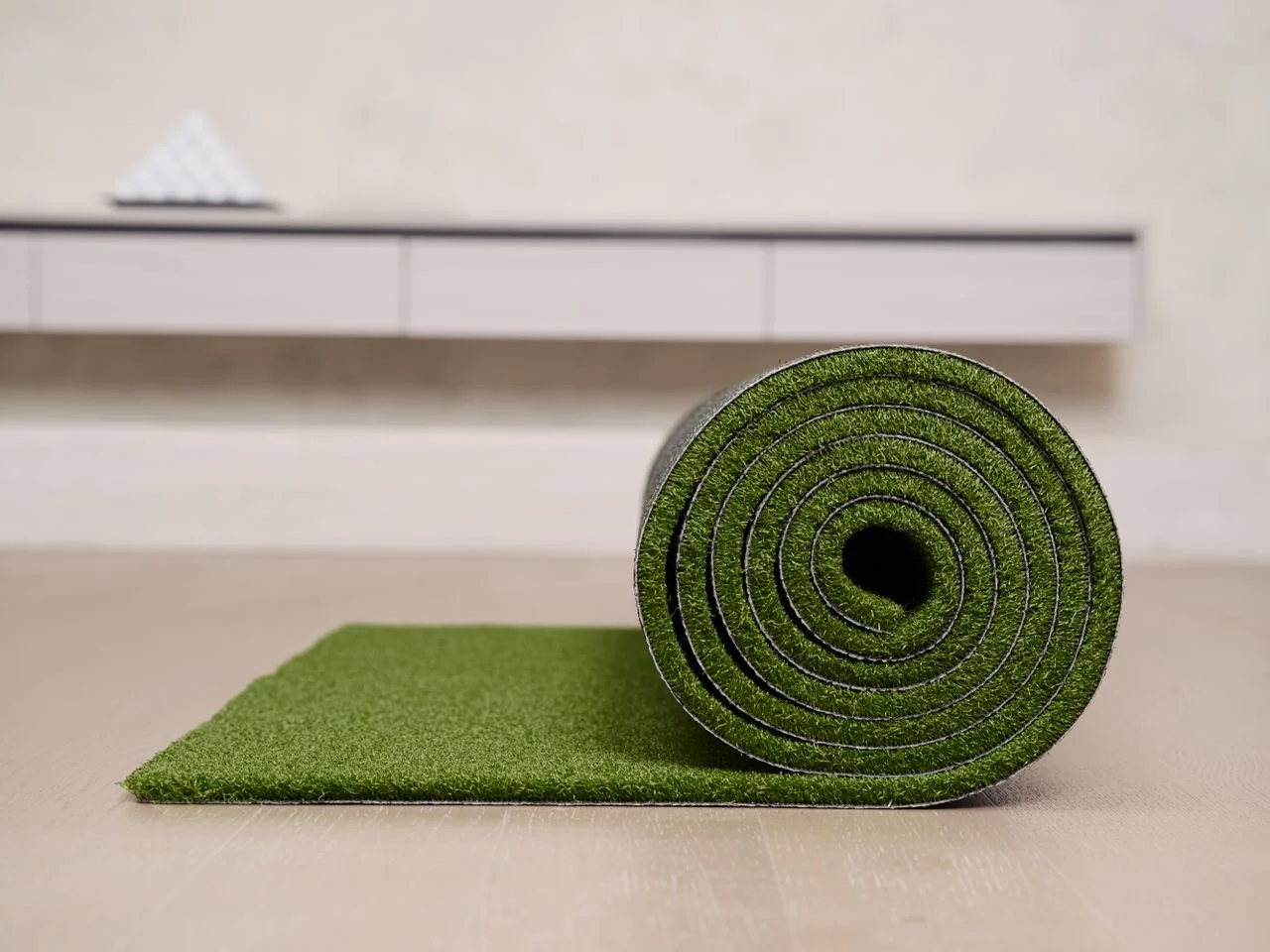
You put real money into artificial grass. Naturally, you expect it to stay lush and green for years. But outcomes vary — wildly. Some homeowners walk away with a beautiful outdoor space that genuinely boosts their property's value. Others get stuck watching their turf look fake on day one, then fall apart by year two. What drives that gap? Almost always, it comes down to the specifics of how the job got done. Know what to look for, and you protect both your investment and your sanity.
Site Preparation and Ground Assessment
Everything starts underground. Long before a single turf panel goes down, a serious installer is already grinding through the unglamorous work — stripping existing grass, pulling weeds, clearing debris. Then comes the soil assessment. Drainage patterns matter here. A lot. If water can't move away from the surface efficiently, puddles will sit beneath your turf after every rainstorm.
Bad drainage doesn't just look awful. It creates a damp, unhealthy pocket beneath the material — and over months, that moisture causes the turf to shift and settle unevenly. A reputable crew grades the area with care, drops in a drainage layer wherever the soil demands it, and compacts the base to a uniform depth across the entire footprint. Boring work? Sure. Critical? Absolutely.
Material Quality and Appropriate Selection
Artificial grass products aren't interchangeable. Not even close. Premium turf relies on superior backing that resists tearing through years of heavy use. Blade construction matters too — quality grass features realistic coloring, varied heights, and textures that actually fool the eye. Cheap materials? They fade under UV exposure, mat down from foot traffic, and carry that unmistakable plastic sheen. You can spot it from across the yard.
Pile density shapes both how it looks and how it feels underfoot. Climate, intended use, and budget all influence which product actually makes sense for a given project. For homeowners sorting through turf options across different climates and applications, NexGen Lawns artificial grass steers customers toward materials suited to their real conditions — not just whatever's cheapest on the shelf. A quality installer operates the same way. They educate you; they don't just hand you an invoice.
Professional Installation Techniques and Precision
Craftsmanship is where professional work and amateur work split most visibly. When multiple turf pieces join together, seaming technique is everything — seams must be structurally tight and essentially invisible to the eye. The material needs fastening to the substrate in ways that prevent wrinkles, bunching, or creep over time. Infill — sand, rubber, or a blend — must spread evenly across the entire surface. Uneven distribution? It creates spots that feel different underfoot and wear faster than everything around them.
Edges demand careful attention too. Whether they're cut flush with landscaping borders, tucked under hardscaping, or locked with edging materials — sloppy edge work announces itself immediately. So does a poor installation overall: visible seams, wrinkled patches, lumpy infill. These aren't minor cosmetic flaws. They eat into the functional lifespan of the whole system. Experienced installers have both the tools and the judgment to avoid these traps. Less experienced contractors often don't.
Long-Term Maintenance and Durability Expectations
How turf holds up over years tells you whether the original installation was actually done right. A well-installed system is low-maintenance by design — occasional brushing to restore blade texture, a rinse here and there to clear dust or debris. Quality materials resist UV damage; color and structural integrity hold even after sustained sun exposure. Backing and seams stay intact through temperature swings and weather cycles.
A poor installation tells a different story. Premature fading. Infill that needs constant topping up. Thin, patchy wear patterns appearing within two years. You should walk away from any installation with clear guidance on maintenance and solid warranty coverage for both materials and workmanship. Reputable installers explain what to expect — and stay reachable if problems surface. That transparency isn't a bonus feature. It's the mark of quality work.
Installer Credentials and Communication Standards
Who does the work shapes the outcome more than most homeowners realize. Quality installers carry proper licensing and insurance — verifiable, not just claimed. They answer questions thoroughly, walk you through their process without impatience, and back their reputation with references or examples of completed projects. Strong communication from day one sets realistic expectations around timelines, costs, and what the finished lawn will actually look like.
Poor installations almost always involve communication breakdowns. Surprise costs. Work that drifts from what was originally agreed. Professional installers put everything in writing — materials, scope, expectations, completion terms — and then follow through on commitments made during consultation. Before signing anything, dig into their reputation, verify credentials, and ask yourself honestly whether you trust this crew to deliver. That gut check matters.
Conclusion
The gap between a quality artificial grass installation and a disappointing one spans several distinct areas — site prep, material selection, installation precision, and communication. Quality work begins with thorough ground preparation, continues with materials matched to your specific needs and climate, and gets executed by professionals who sweat the details. Disappointing results trace back to skipped prep steps, cheaper materials, poor craftsmanship, or a contractor who stopped communicating once the deposit cleared. Understand these differences before you hire anyone. Ask hard questions. Investing in quality upfront spares you significant frustration and expense — and keeps your lawn looking sharp for years rather than months.