Sign up with Google
 Sign in with Zoho

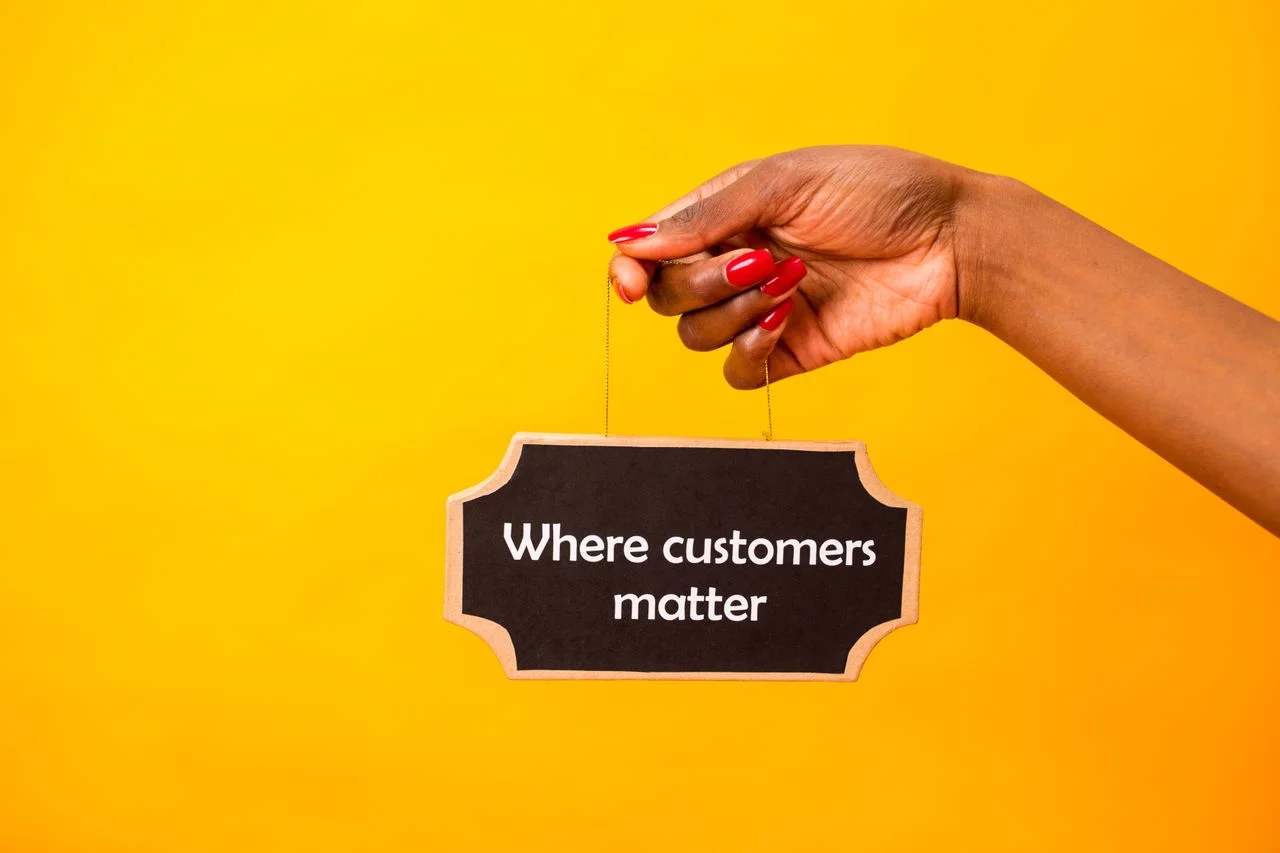
Profit-obsessed companies and customer-obsessed ones don't just look different — their underlying logic is completely foreign to each other. Center every decision on what customers actually need, and things shift fast. Short-term wins stop mattering as much. Something longer, sturdier begins taking shape. None of that happens on its own, though. Real strategy. Relentless follow-through. Genuine buy-in from the CEO all the way down to whoever picks up the phone first. Hiring, training, communication, innovation — all of it gets dragged into the light and examined hard. What follows is what that actually looks like when it's running right.
Understanding Customer Needs and Expectations
Serving people you don't understand? Impossible. Surveys, focus groups, direct conversations, behavioral data — that's the actual work. Not surface impressions. Real research. Most organizations skip it entirely — they assume, they project their own preferences onto customers, then act genuinely surprised when people walk out the door. Time spent here sharpens the picture of where resources belong. Everything downstream flows from that picture: product decisions, service protocols, support staffing. Get it wrong and everything stacked on top wobbles badly.
Empowering Your Employees to Serve Customers
Frontline people are the philosophy made visible. Give them tools, authority, and knowledge to actually solve problems — they stop being order-takers. Advocates instead. Technical skills? Not enough on their own. Training has to build emotional intelligence too, sharpen problem-solving, develop judgment that instinctively leans toward the customer when things get murky. And the systems themselves need room for exceptions. Sometimes bending a rule is obviously the right call — employees should have that latitude without asking permission first. Empowered teams also tend to stick around longer. Lower turnover, steadier service. Staff who genuinely get that customer success is the mission? Their daily choices start reflecting it — nobody has to remind them.
Designing Systems and Processes Around Customer Experience
Every system you run should answer one question honestly: does this make things easier or harder for the customer? Walk the full journey. Every touchpoint. Find the friction points and name them. Maybe the ordering flow needs stripping down to the studs. Maybe the return policy gets gutted and rebuilt completely. Maybe complaint resolution time gets cut in half — just because someone finally decided it should be. Worth noting: customer-first process design often trims costs too. Fewer unnecessary steps. Fewer complaints that spiral into ugly escalations.
For companies needing to scale support quickly without letting quality slip, outsource philippines call center solutions bring trained agents who handle high call volumes across multiple time zones while keeping brand standards steady. Feedback loops matter here as well — continuous ones, not annual surveys that collect dust on a shelf. Test improvements before rolling them out everywhere. Treat processes as living systems, not frozen procedures, and you'll keep pace with what customers actually expect right now — not what they expected two years ago.
Building Trust Through Transparency and Consistency
Trust doesn't arrive in a single moment. It accumulates slowly — built by saying what you'll do, then doing it. Every time. When you can't meet an expectation, say so early. Customers handle honesty far better than they handle surprises — that's just true. Transparent pricing, clear processes, openly acknowledged limitations — none of that signals weakness. It strips away uncertainty. And uncertainty is what quietly erodes relationships over time, almost invisibly. Consistency matters as much as any single interaction; people need to know what they're walking into before they show up. That reliability, compounding over months and years, builds loyalty that holds even when a competitor slashes prices or runs some flashy campaign.
Conclusion
Becoming a customer-first business isn't a project with a finish line. It's a fundamental reshaping of how the whole organization operates — hiring, planning, systems, culture. All of it. Ongoing commitment to understanding customers, empowering teams, designing smarter processes, earning trust the hard way. Companies that actually pull this off see real returns: stronger retention, more referrals, higher employee satisfaction. Put customers at the center — genuinely, persistently — and you build something competitors find nearly impossible to copy.