Sign up with Google
 Sign in with Zoho

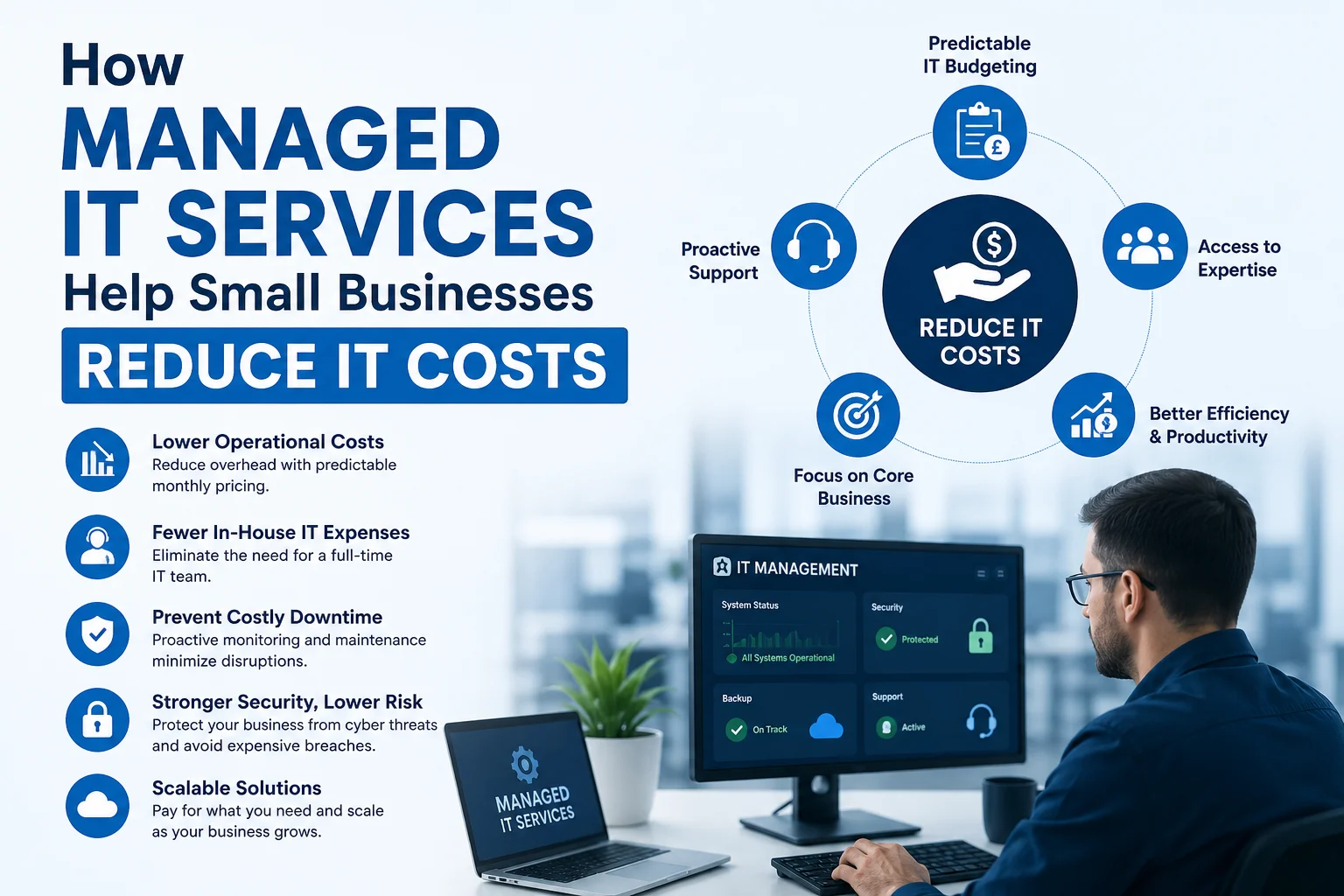
For most small business owners, IT isn't something they want to think about it's the thing that derails their day when it breaks.
This is exactly where Managed IT Services for Small Businesses change the equation. Instead of treating technology as a reactive headache, this model turns it into a predictable, budgeted part of running the business and in most cases, a cheaper one too. Here's how that actually works.
The Real Cost of "Fixing It Yourself"
Many small businesses start out handling IT informally maybe it's the most tech-savvy employee, or a freelancer who gets called in when something breaks. It feels cost-effective at first, but the hidden costs add up fast.
Downtime is the biggest one. When a server goes down or a network issue stops your team from working, you're losing billable hours, missing deadlines, and sometimes damaging client trust. A single afternoon of unplanned downtime can cost more than months of preventive maintenance would have.
There's also the inefficiency of reactive support. Without ongoing monitoring, problems are usually caught after they've already disrupted operations, not before and by the time you call for help, the issue has often grown bigger and more expensive to fix.
What Managed IT Services Actually Do Differently
A Managed IT Service Provider flips this model. Rather than waiting for something to break, they monitor your systems continuously, patch vulnerabilities before they're exploited, and handle maintenance in the background often catching problems before you even notice anything was wrong.
This shift from reactive to proactive support is the biggest reason this approach saves small businesses money over time. You're not paying for emergency callouts or rushed fixes. You're paying a predictable monthly fee that covers monitoring, support, updates, and strategic guidance, all bundled together.
Where the Actual Savings Come From
Predictable, Flat-Rate Budgeting
One of the most underrated benefits of Outsourced IT Support is how it changes IT from a variable cost into a fixed one. Instead of unpredictable repair bills and emergency invoices, you get a flat monthly rate that's easy to plan around which makes budgeting far less stressful for owners without deep reserves set aside for IT emergencies.
No Need to Hire a Full In-House Team
Hiring even one full-time IT employee comes with a salary, benefits, training costs, and the ongoing challenge of covering vacations, sick days, and skill gaps. A single hire also can't realistically cover every specialty networking, cybersecurity, cloud infrastructure, and software support all require different expertise.
With IT Support for Small Businesses delivered through a managed model, you get access to an entire team of specialists for a fraction of what one full-time hire would cost. That's a major reason this model has become so popular among growing businesses needing expert-level support without expert-level payroll.
Reduced Downtime Means Reduced Losses
Since downtime is one of the costliest hidden expenses for any small business, proactive monitoring directly protects your bottom line. Issues get flagged and resolved before they escalate, which means your team keeps working instead of waiting on a fix.
Smarter Technology Spending
A good provider doesn't just keep the lights on they help you avoid unnecessary spending. Many businesses end up overpaying for software licenses they don't fully use, or underinvesting in security and facing a costly breach later. Reliable Business IT Support includes regular reviews of your technology stack, helping you cut what's unnecessary and invest where it actually matters.
Built-In Cybersecurity
Cyberattacks are no longer a "big company" problem. Small businesses are frequently targeted precisely because they tend to have weaker defenses. A single ransomware incident or data breach can cost far more than years of managed support combined in recovery costs, lost business, and reputational damage. Managed providers typically include firewall management, endpoint protection, and regular security patching as standard, often far more comprehensive than what a small business could build on its own.
Scalability Without the Overhead
As your business grows, your IT needs change. New employees need devices and access set up, new locations need network infrastructure, and your software needs may shift entirely. Scaling an in-house IT department to match this growth is slow and expensive.
With managed services, scaling up or down is built into the relationship. You're not stuck overstaffing during slow periods or scrambling to hire during growth spurts a flexibility that's part of why so many small businesses find that outsourcing IT actually supports growth rather than limiting it.
Choosing the Right Partner
Not all providers are equal, and the savings only materialize if you choose a partner that actually understands small business constraints tight budgets, lean teams, and the need for support that's responsive without being overly complex. Look for transparent pricing, clear service-level agreements, and a provider who explains things in plain language rather than burying you in jargon.
Providers like Affinity Smart have built their approach specifically around this need, focusing on practical, cost-conscious IT support rather than one-size-fits-all enterprise packages. A small business doesn't need the same setup as a 500-person company it needs support that's right-sized for its actual operations and budget.
The Bottom Line
IT costs don't have to be unpredictable, and they definitely don't have to be the thing that quietly drains your budget every year. Managed services give small businesses access to expert support, stronger security, and predictable costs all without the overhead of building an in-house team from scratch. For a small business trying to do more with less, that combination of savings and reliability is hard to beat. If your current approach to IT still feels reactive, it's worth exploring what a provider like Affinity Smart could save you over the next year alone.