Sign up with Google
 Sign in with Zoho

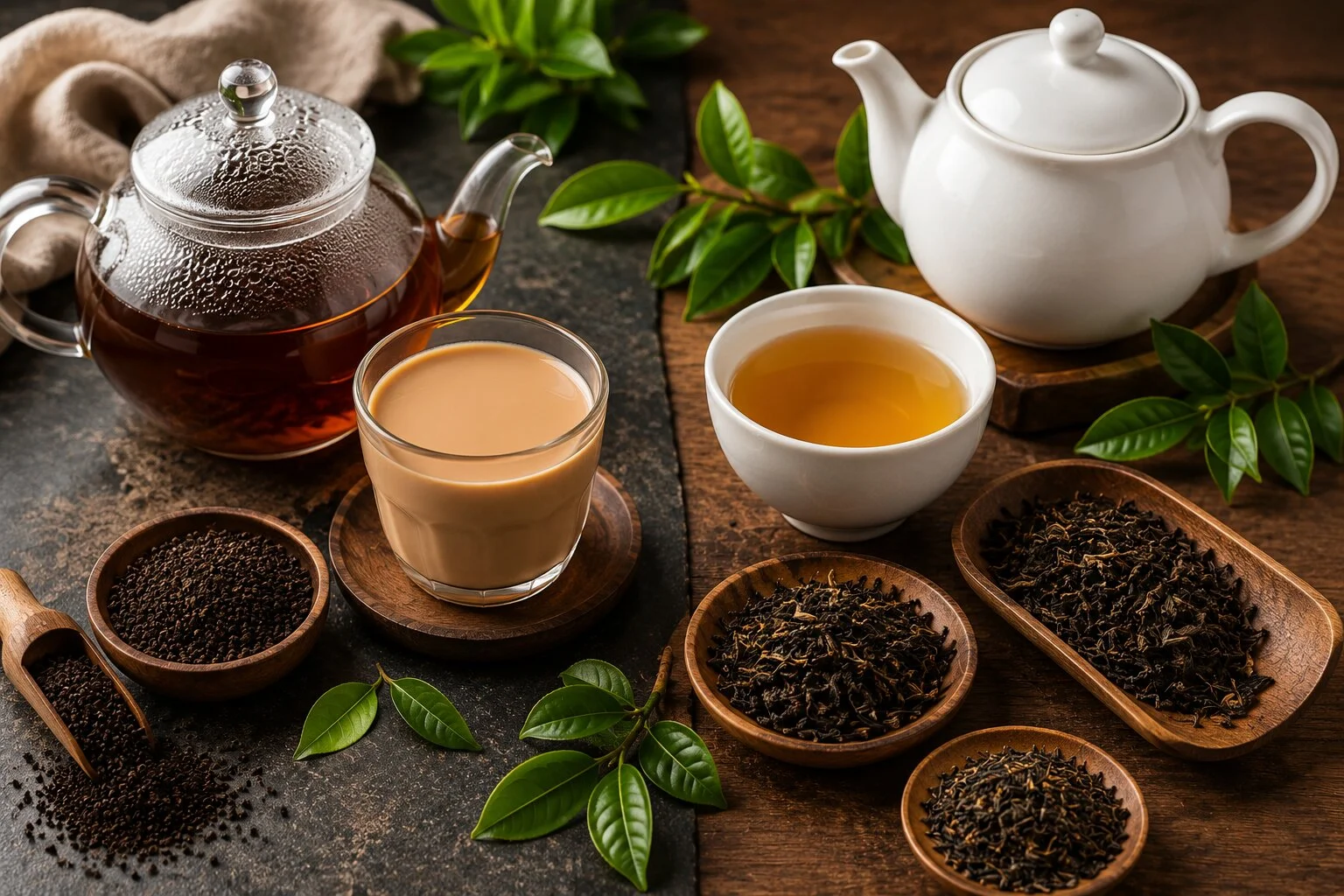
Tea lovers often come across two common categories when exploring Indian teas: Orthodox Tea and CTC Tea. While both are made from the same tea plant, their processing methods, flavour profiles, and overall tea-drinking experiences are quite different. Understanding these differences can help you choose the right tea based on your preferences and brewing style. If you're looking to explore premium loose-leaf teas, The Secret of Tea offers a thoughtfully curated collection directly sourced from renowned tea gardens of India.
What is Orthodox Tea?
Orthodox tea is produced using traditional tea-making techniques that preserve the integrity of the tea leaves. The leaves are carefully plucked, withered, rolled, oxidized, and dried, allowing them to retain much of their natural character.
Key Characteristics of Orthodox Tea
- Whole or partially broken tea leaves
- Complex and nuanced flavour profiles
- Distinct aromas influenced by origin and season
- Suitable for multiple infusions
- Commonly produced in Darjeeling, Assam, Kangra, and Nilgiri regions
Orthodox teas often showcase floral, fruity, muscatel, malty, or vegetal notes depending on where they are grown and how they are processed.
What is CTC Tea?
CTC stands for Crush, Tear, Curl, a method developed to produce tea quickly and consistently. During processing, tea leaves are passed through specialized rollers that crush and shape them into small pellets.
Key Characteristics of CTC Tea
- Small, uniform tea granules
- Strong, bold flavour
- Dark colour and brisk liquor
- Brews quickly
- Ideal for milk tea and masala chai
CTC tea is widely consumed across India due to its affordability, convenience, and ability to produce a strong cup of tea.
Orthodox Tea vs CTC Tea: Key Differences
Processing Method
Orthodox tea undergoes a more traditional and delicate manufacturing process, while CTC tea is mechanically processed for efficiency and consistency.
Flavour and Aroma
Orthodox tea offers layered flavors and a richer sensory experience. You may notice floral, fruity, honey-like, or muscatel notes depending on the tea's origin.
CTC tea, on the other hand, focuses on strength rather than complexity. It delivers a robust, malty taste that works well with milk and sugar.
Appearance
Orthodox tea generally contains whole or twisted leaves, while CTC tea appears as small, evenly shaped pellets.
Brewing Experience
Orthodox teas are often enjoyed plain to appreciate their natural flavors. Many varieties can be steeped multiple times without losing character.
CTC tea is typically brewed once and is commonly paired with milk, sugar, and spices.
Final Sip
Both orthodox and CTC teas have their place in the world of tea. If you're looking for a premium tea experience that highlights aroma, flavour complexity, and craftsmanship, orthodox tea generally offers higher quality. If your preference is a strong, comforting cup of chai that brews quickly and consistently, CTC tea remains a reliable choice.
The best way to decide is to try both styles and discover which one matches your taste preferences. After all, the perfect cup of tea is the one that you enjoy the most.