Sign up with Google
 Sign in with Zoho
Your booth size is the first big decision you'll make. It shapes your layout, your budget, and how visitors feel when they walk up. Get it right, and everything else gets easier.
Here's the catch: bigger doesn't always mean better. A smart 10×10 can bring in strong leads. A huge booth with no plan just burns cash.
This guide walks you through the most common trade show booth sizes. You'll see what each one does best and how to choose. We'll also cover tips for Nashville events, so your plan fits the local venues.
Trade Show Booth Sizes at a Glance
Booths come in standard footprints. That means you know your floor space before you start planning. Here are the sizes you'll see most often:
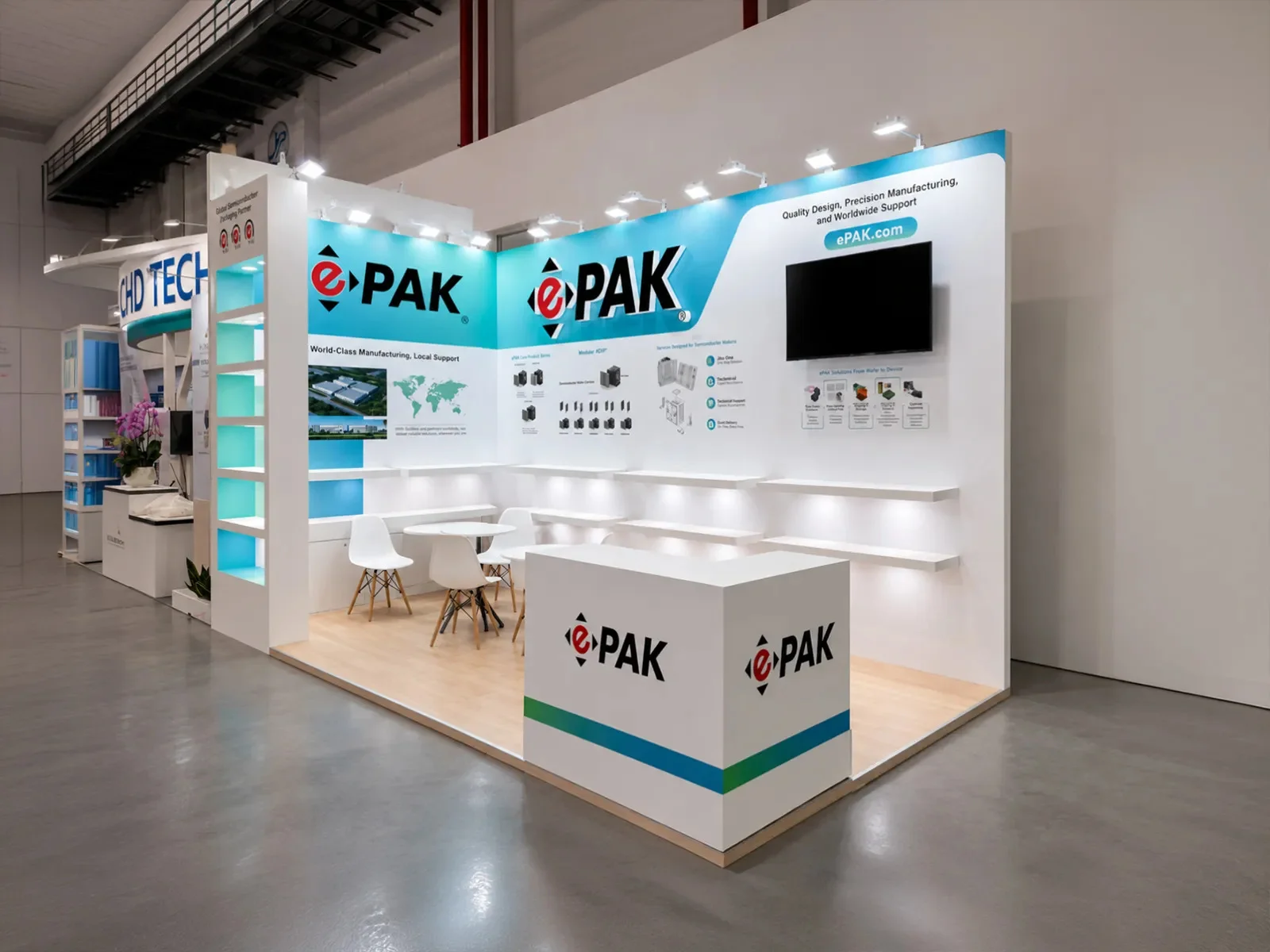
- 10×10 (100 sq. ft.): The classic starter size. Great for lead generation.
- 10×20 (200 sq. ft.): Room for a demo and a small chat area.
- 20×20 (400 sq. ft.): Usually an island booth with aisles on several sides.
- 20×30 (600 sq. ft.): Space for a few separate zones, even a mini theater.
- 30×30+ (900+ sq. ft.): Built for big brands with a lot to show.
Square footage is only half the story. Location matters just as much. Two booths of the same size can perform very differently. A corner spot, a place near the entrance, or a busy aisle can change your traffic overnight.
So study the show's floor plan first. Then pick your size.
Getting the Most From a 10×10 Booth
A 10×10 gives you 100 square feet. It's tight, so you have to choose what matters most. The best small booths keep it simple.
Here's what works:
- Use the back wall. A bold graphic wall tells people who you are fast. It also saves floor space.
- Pick one hero product. Don't try to show your whole catalog. Feature one item or service.
- Offer one simple activity. Try a quick demo, a touchscreen, or a small giveaway.
- Keep furniture small. A big table at the front works like a wall between you and visitors.
- Hide your storage. Build it into a counter so boxes stay off the floor.
Example: a coffee brand might show one signature blend and hand out one sample cup. Simple, tasty, memorable.
Not sure how to fit all this in? A skilled trade show booth builder in Nashville can design custom, space-saving pieces that suit your brand.
Stepping Up to a 10×20 Booth
A 10×20 doubles your space to 200 square feet. It's a favorite for growing brands. You've outgrown a basic display, but you don't need a giant island yet.
The extra length is the big win. You can split the booth into zones without it feeling empty. Try this flow:
- Front: Your brand message and hero product.
- Middle: An interactive demo or screen.
- Back: Seating and hidden storage for longer chats.
One warning. Keep the entry path clear. Extra space is not a reason to fill the floor with stuff. Picture a visitor stepping in easily. If they have to squeeze past a display, they'll walk on.
Planning a 20×20 Island Booth
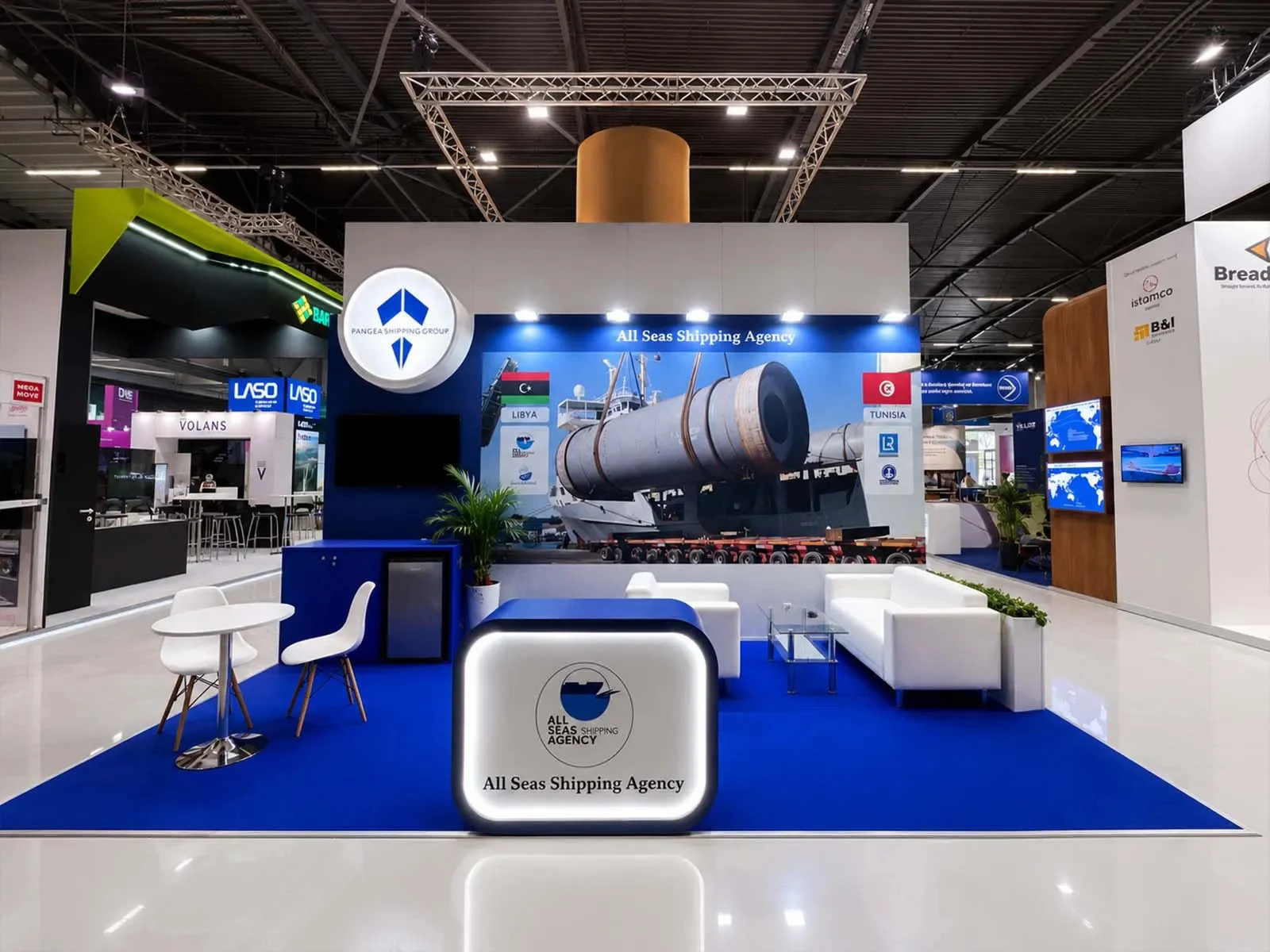
A 20×20 gives you 400 square feet. It's usually an island or peninsula, so visitors can arrive from several sides. That changes how you build the space.
With this size, zones matter. You can create:
- A reception area to greet people
- A demo space for products
- A lounge for relaxed hospitality
- A semi-private meeting area with partial walls or clever furniture placement
Example: a tech firm could run demos up front and tuck meetings into a partly walled corner.
You can also use height to stand out across the show floor. Just check the show's rigging and ceiling rules first. Overhead structures need to be safe and approved.
For a build this size, work with one of the trade show booth builders Nashville exhibitors trust. They'll handle the engineering, the fabrication, and the rules, so you don't get surprises on move-in day.
When a 20×30 or Larger Booth Makes Sense
A 20×30 is 600 square feet. A 30×30 is 900. These booths are powerful, but only if you have enough to fill them.
You're no longer just arranging displays. You're building a visitor journey. Large booths can include:
- A small presentation theater
- Closed meeting rooms for big sales talks
- Several product education zones
- Tall hanging signs, towers, and special lighting
Example: a medical device maker might run a theater talk every hour and keep two closed rooms for buyers.
Every square foot has to earn its place. An empty giant booth looks worse than a busy small one. Think about it: which would you stop at?
If most of your budget goes to the floor space itself, look at renting. An Exhibit Rental Company in Nashville can supply high-quality modular pieces. You get a big look without owning the structure for good.
Match Your Booth Size to Your Goals
Budget matters, but your goals should lead the decision. Here's a simple guide:
- Fast lead generation or brand awareness: Go with a 10×10 or 10×20. Quick chats and strong graphics do the job.
- Big product demos: Pick more floor space. Groups need room to gather around equipment without blocking the aisle.
- Pre-booked sales meetings: Aim for a 20×20 or larger. You'll want privacy.
- Product launches: Also go 20×20 or bigger. You need room for the reveal and seated presentations.
Picture a software company with three sales reps and a touchscreen demo. A 10×10 works if each demo takes two minutes. If each one runs ten minutes, a line forms. That's your sign to move up to a 10×20.
Layout and Visitor Flow
A great booth size can still fail with a bad layout. Bigger booths give you more room to make mistakes, too. Your goal is simple: make movement feel natural. Follow these rules:
- Keep the entrance open. Don't put heavy counters or furniture on the aisle line.
- Create one clear focal point. Visitors should know what you do within seconds.
- Separate busy and quiet zones. Put games and quick demos away from your meeting lounge.
- Protect your empty space. Open areas aren't wasted. They make your best pieces stand out and help people feel welcome.
Nashville Venue Tips for Music City Center Exhibitors
Your venue shapes what you can do with any booth size. If you're one of the Music City Center exhibitors this year, keep these facts in mind:
- Grid layout: The center uses a standard 10×10 grid. It offers more than 353,000 square feet of exhibit space across Halls A through D.
- Hall size: Individual halls run from about 86,000 to over 93,000 square feet.
- Ceiling height: Main halls reach 32'6". Still, your show may set its own limits on hanging signs and sightlines.
- Utilities: Power, internet, and plumbing usually come from floor ports. Island booths (20×20 and up) need a plan for wire management under carpet or raised flooring.
- Floor plan: Always compare your size with the official show plan. Check exact dimensions, aisles, and neighbors.
Many Nashville events have their own rules on top of the venue's rules. Read the exhibitor manual early. It saves stress later.
What Your Booth Will Really Cost
Many people compare booth sizes by floor price alone. That's a mistake. Your footprint multiplies almost every other cost.
A bigger booth usually means:
- More materials and labor to build
- More wall space to design and print graphics
- Extra furniture, like sofas and tables, to rent or ship
- Higher drayage (material handling) fees
- A bigger crew for install and dismantle
Use this formula to budget:
Floor space + custom structure + graphics + furniture + technology + shipping + venue services + labor
Add it all up before you sign. The floor price is just the start.
How to Make Your Final Decision
Still stuck? Work through these steps:
- Estimate how many visitors will be in your booth at once.
- List the physical things you need to host. Demos, meetings, storage, seating.
- Check your past show data. Where did your booth feel packed? Where did it feel empty?
- Match your budget to the whole formula, not just floor space.
- Pick the smallest size that fits your plan.
The right size gives your team just enough room to work well. You shouldn't pay for empty space. You also shouldn't cut your booth design to cover the floor cost.
Quick Reference: Trade Show Booth Sizes
Common Booth Size Mistakes to Avoid
Even experienced teams slip up. Watch for these:
- Buying too big. A large booth with thin content feels empty and costs more.
- Buying too small. Crowded booths push visitors away. Staff feel stuck too.
- Ignoring location. A great size in a dead corner still struggles.
- Skipping the rules. Late surprises on height, power, or rigging get expensive.
- Forgetting staff space. Your team needs room to stand, talk, and take a break.
Questions to Ask Before You Hire Help
Whether you rent or build, the right partner saves time. Before you sign with any of the trade show booth contractors in Nashville brands use, ask:
- Have you built at the Music City Center before?
- What's included in the price: design, install, storage, and dismantle?
- Can you show photos of booths my size?
- What happens if the show changes its rules?
- Do you offer rental options if I'm unsure about buying?
If you'd rather not own a booth, an Exhibit Rental Company in Nashville can be a smart middle path. You can test a size at one show and adjust at the next.
Ready to Pick Your Size?
Choosing a booth size is a balancing act. You want big ideas, but you also need a plan you can run.
Now you know how trade show booth sizes really work. Match yours to your goals, check the floor plan, and count the full cost.
Get those right, and your booth will work harder. Done well, it can stop Nashville traffic and bring real business back home.







 🌎🔒#gdupco.webp)