Sign up with Google
 Sign in with Zoho

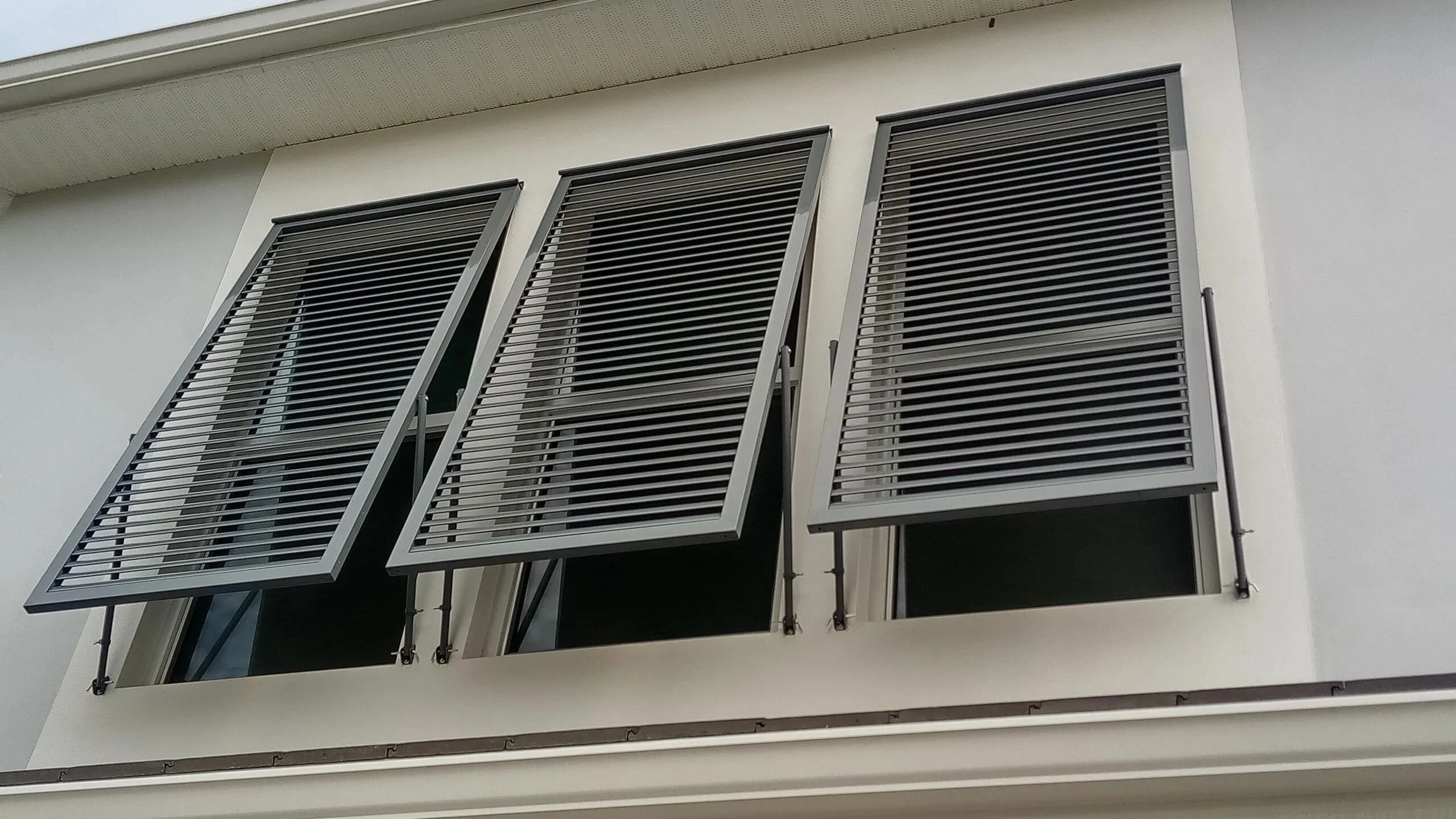
Choosing the right storm windows is not only about buying thicker glass. The best option is a complete window system that matches the wind exposure of the property, has valid product approvals, fits the opening correctly, and is installed by a qualified contractor. For homeowners in Florida and other hurricane-prone areas, these details can make the difference between a window that simply looks strong and one that is designed to perform during severe weather.
A high-quality impact window combines laminated glass, a durable frame, strong hardware, approved anchors, and professional sealing. It should also suit the style of the home, provide practical everyday benefits, and meet the building requirements for the local area. There is no single model that is best for every house because window size, location, exposure, budget, and design pressure can vary from one property to another.
The best hurricane impact windows are products selected for the specific building rather than chosen only by brand name or price. A reliable contractor should review the size and condition of every opening, explain the required pressure rating, and confirm that the proposed system has the correct approvals. This approach gives homeowners a clearer way to compare products and avoid paying for features that do not match the needs of the property.
Look for Recognized Product Approvals
One of the first things to check is whether the window has a valid Florida Product Approval or a Miami-Dade Notice of Acceptance when applicable. These records help identify products that have been reviewed for use under stated conditions. Miami-Dade County maintains a searchable product-control database, and local permit offices may require approval documents for the exact window series, glass option, frame, and installation method being used. The approval should match the product on the contract, not just the manufacturer name.
Choose Laminated Impact-Resistant Glass
Impact windows normally use laminated glass made with an interlayer that helps hold broken pieces together after an impact. The outer glass may crack when struck by flying debris, but the bonded layer is designed to help keep the opening covered. This is important because an unprotected opening can allow wind-driven rain and strong internal pressure to enter the building. FEMA guidance explains that failure of glazed openings can create a large breach in the building envelope and increase both pressure and water intrusion.
Compare Frame Materials Carefully
The frame is just as important as the glass. Aluminum frames are known for strength, slim profiles, and resistance to corrosion when properly finished. Vinyl frames are popular for low maintenance and thermal performance. The better choice depends on the size of the opening, architectural style, exposure to sun and salt air, and the engineering requirements of the project. Homeowners should compare the entire tested assembly because strong glass installed in a weak or unsuitable frame does not create a complete impact-rated system.
Select a Window Style That Fits Daily Life
Impact-rated products are available in common styles such as single-hung, double-hung, horizontal sliding, casement, and picture windows. The best style should support both storm safety and normal use. Casement windows can provide wide ventilation and a secure seal when closed. Horizontal sliders may work well for broad openings. Picture windows are useful where the view matters more than ventilation. Matching the operating style to each room can make the upgrade feel practical rather than purely defensive.
Consider Energy, Noise, and UV Performance
Storm resistance may be the main reason for the purchase, but everyday comfort also matters. Laminated glass can help reduce outdoor noise, and many modern window systems offer insulated glass, low-emissivity coatings, and improved weather seals. These features may reduce heat transfer and help keep indoor temperatures more consistent. Some glass options also limit ultraviolet exposure that can contribute to fading of flooring, furniture, and fabrics. Buyers should review the exact glass package because performance can vary between models.
Do Not Overlook Professional Installation
Even a well-tested window may not perform as intended when it is measured, anchored, flashed, or sealed incorrectly. Installation should follow the approved product documents, manufacturer instructions, and local code requirements. The contractor must use the correct fasteners and spacing for the wall type and opening condition. Careful waterproofing is also essential because impact resistance does not mean that every window is automatically immune to wind-driven rain.
West Shore Construction emphasizes custom measurement, proper anchoring, sealing, and code-compliant installation as important parts of an impact window project. A properly selected product can still underperform when the opening preparation or installation method does not match its approval documents.
Match the Window to Local Wind Requirements
Building rules are not identical across every city or county. Wind speed, exposure category, building height, distance from open water, and the location of the window can affect the required design pressure. Florida currently uses the 8th Edition of the Florida Building Code, which took effect on December 31, 2023. Local authorities determine the documents and approvals needed for a permit. A contractor should confirm the requirements for the exact address instead of relying on a general statement that a window is "hurricane rated."
Understand Impact Windows Versus Shutters
Impact windows offer permanent protection because they stay in place throughout the year. Shutters, hurricane fabric, panels, and motorized systems can also provide effective opening protection, but many of them must be deployed before a storm. The right choice depends on budget, appearance, storage, physical effort, and the level of convenience the homeowner wants.
Some properties use a mixed solution, such as impact windows on difficult upper-story openings and shutters or removable panels on easier ground-level areas. Whatever system is selected, it should help protect openings from wind-borne debris and reduce the risk of damaging pressure entering the structure.
Review Maintenance and Long-Term Value
Good impact windows are designed for long-term service, but they still need basic care. Tracks should remain clean, locks should operate smoothly, and seals should be checked for wear or gaps. After a severe storm, homeowners should inspect the glass, frame, fasteners, and surrounding wall for damage.
A cracked outer pane does not always mean the opening failed, but the unit should be evaluated by a qualified professional. Warranty terms should also be reviewed before purchase, including coverage for glass, frames, hardware, finish, and labor. Understanding the warranty before installation can prevent confusion when repairs or replacement parts are needed later.
Ask for a Clear, Itemized Proposal
A strong proposal should list the manufacturer, product series, window style, frame material, glass type, color, approval number, design pressure, installation details, warranty, permit responsibility, and total price. This level of detail makes it easier to compare bids accurately.
A vague quote can hide important differences between products. Homeowners should also ask whether old-window removal, disposal, interior trim repairs, exterior finishing, and final inspection are included. Comparing complete proposals is more useful than comparing only the final prices.
Protect Every Vulnerable Opening
For effective hurricane window protection, the best system is the one that protects every vulnerable opening with compatible, approved products. One strong front window does little if nearby glass doors, side windows, or other large openings remain exposed. A complete plan should review the whole building envelope and prioritize the areas most likely to face wind-borne debris.
This review may include windows, sliding glass doors, entry doors, skylights, garage openings, vents, and other exterior components. FEMA guidance notes that the building envelope includes openings and opening-protection systems, and maintaining these components is important for reducing storm damage.
Choose a Contractor Who Explains the Details
A trustworthy installer should be willing to explain why a product fits the home, provide approval documents, discuss permitting, and describe how the windows will be anchored and sealed. Homeowners should verify licensing, insurance, local experience, and recent project references.
It is also helpful to ask who will perform the installation and who will handle service after the project. A low price may not be a good value if the quote leaves out permits, finishing work, disposal, or proper installation. Clear communication before the project usually leads to fewer surprises during installation.
Final Thoughts
The best hurricane impact windows are not defined by one brand or one glass thickness. They are complete, tested systems selected for the property and installed according to approved requirements. Focus on product approval, design pressure, laminated glass, frame quality, professional installation, and a clear warranty.
For homeowners in Clearwater, Tampa Bay, and nearby West Central Florida communities, West Shore Construction can evaluate the openings, explain available options, and recommend a practical solution based on the home, budget, and storm-protection goals. A careful evaluation helps ensure that the selected windows provide reliable storm protection along with comfort, security, noise reduction, and year-round convenience.