Sign up with Google
 Sign in with Zoho
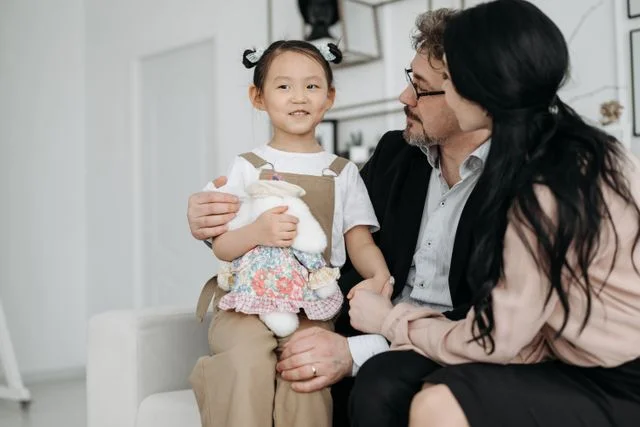
Adoption means different things to different people. While many imagine adoption as one specific path, the reality is far more diverse. Families come in many shapes and sizes, and adoption processes reflect that reality by offering multiple pathways that accommodate various circumstances, resources, and needs. Understanding the different ways families can adopt helps prospective parents make informed decisions about their own adoption journey.
Domestic Infant Adoption
Domestic infant adoption occurs when parents adopt a newborn or very young child within their own country. This pathway typically involves working with adoption agencies, attorneys, or adoption facilitators who connect adoptive parents with expectant parents considering adoption. The process includes home studies, background checks, and counseling to ensure readiness for parenthood. Many families choose this route because they desire the experience of parenting from infancy and the bonding that comes with it.
The timeline for domestic infant adoption varies significantly depending on circumstances, with some families waiting months and others waiting several years before being matched. Costs range from minimal expenses with some agencies to substantial fees covering legal, medical, and facilitator services. Open adoption arrangements have become increasingly common, allowing ongoing contact between adoptive families and birth parents. Families navigating this process in the Southeast, for instance, rely on Florida adoption agencies to guide them through matching, home studies, and legal requirements with regional expertise. This pathway typically requires significant financial resources and emotional preparation for the uncertainty of waiting.
Foster-to-Adopt Pathways
Foster-to-adopt represents a path where families first become licensed foster parents and then adopt children within their care. Children enter foster care due to circumstances requiring temporary or permanent removal from their birth families, and some of these children eventually become available for adoption. Foster parents provide crucial temporary care while courts work toward reunification with birth parents whenever possible. This pathway allows families to get to know a child before making a permanent commitment, though emotional complexity is significant since reunification remains the initial legal goal.
Families choosing foster-to-adopt must meet specific licensing requirements and complete training. The state usually covers foster care expenses and may provide adoption subsidies after finalization, making this pathway financially distinct from domestic infant adoption. The timeline can be unpredictable, as legal processes must run their course before adoption can proceed. Foster-to-adopt families often care for older children or those with special needs, expanding the number of permanent families for children who might otherwise age out of care.
International Adoption
International adoption involves families adopting children from other countries, creating a more complex legal and logistical process. Adoptive families must navigate immigration requirements, international treaties, and the laws of the child's country of origin alongside domestic adoption regulations. Many international adoptions involve older children or children with identified special needs, as these groups often have fewer domestic families available. The process generally takes longer and costs more than domestic adoption due to travel, translation, international legal fees, and immigration requirements.
International adoptive families often adopt children whose cultural, ethnic, or racial backgrounds differ from their own, which requires intentional commitment to preserving the child's cultural identity. Some international adoption programs emphasize sibling groups, allowing families to keep brothers and sisters together. Families considering this pathway should thoroughly research the specific country, understand the post-adoption support available, and reflect on their capacity to support cross-cultural identity development.
Adoption of Older Children and Sibling Groups
Adoption of older children represents a significant but often overlooked pathway. Older children in foster care frequently wait longer for permanent families despite being ready for adoption, and many form strong bonds with adoptive families once they experience stability and commitment. Families adopting older children should be prepared to address potential behavioral challenges, educational gaps, and emotional needs stemming from early experiences. This pathway moves many children from uncertainty into permanent, loving homes.
Sibling group adoption keeps brothers and sisters together rather than separating them into different families. Research shows that maintaining sibling connections provides emotional stability and continuity for children who have already experienced significant disruption. Many child welfare agencies prioritize finding homes for sibling groups, sometimes offering increased subsidies or support to families willing to adopt together. This form of adoption reflects a growing recognition that sibling relationships matter deeply for children's well-being and sense of belonging.
Kinship and Relative Adoption
Kinship adoption occurs when children are adopted by relatives rather than unrelated individuals or couples. Legal kinship adoption provides permanent, secure arrangements with full parental rights and legal protections that informal arrangements cannot offer. Relatives may adopt when parents are unable to care for children due to illness, incarceration, substance use, or death, keeping children within their extended family systems and cultural contexts. Grandparents, aunts, uncles, and older siblings may pursue kinship adoption to ensure permanent legal security for children in their family.
The kinship adoption process often differs from other adoption types, with some jurisdictions offering streamlined procedures or reduced fees for relative adoptions. Relatives may benefit from existing relationships with the child and established family bonds, yet kinship adoption still requires meeting legal standards and home study requirements. Many states recognize that kinship care provides stability while preserving cultural and family connections. This pathway represents a vital option for maintaining family unity during difficult circumstances.
Special Needs and Subsidy Adoption
Special needs adoption involves children with physical disabilities, emotional or behavioral challenges, developmental delays, or other conditions requiring additional support. Many states and child welfare agencies actively recruit families for special needs adoption and provide adoption subsidies to help offset ongoing care expenses, which may cover medical costs, therapy, and other necessary services. Families adopting children with special needs must possess patience, flexibility, and often significant emotional resources to address these children's unique requirements. The availability of subsidies and support services makes special needs adoption accessible to families with varying financial resources.
Adoptive parents of children with special needs often become advocates for appropriate services, educational accommodations, and community support. Many children with special needs thrive once they experience permanence, stability, and familial love. States recognize that placing these children in permanent families is more cost-effective and humane than ongoing foster care or institutional settings. Special needs adoption offers families the opportunity to make meaningful differences in children's lives while building their own.
Conclusion
Adoption takes many forms because families and children's circumstances are diverse and complex. Domestic infant adoption, foster-to-adopt, international adoption, older child adoption, sibling group adoption, kinship adoption, and special needs adoption each offer distinct pathways for creating permanent families. Each route involves different timelines, financial considerations, emotional demands, and support systems. No single adoption path is superior. Rather, different pathways serve different families and children depending on individual circumstances and preferences. Prospective adoptive parents benefit from researching thoroughly, seeking professional guidance, and reflecting honestly on which pathway aligns with their resources, expectations, and capacity to provide loving, permanent homes for children who need families.