Sign up with Google
 Sign in with Zoho

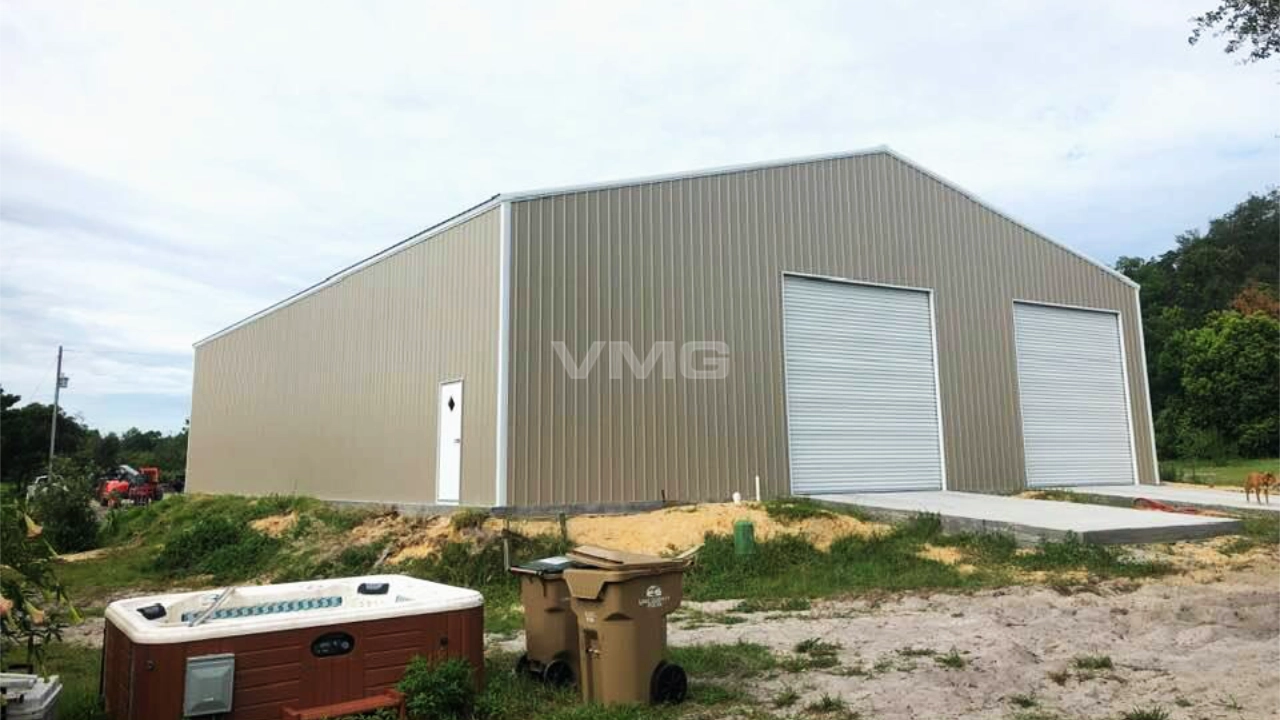
If you ask any homeowner in America, what is their biggest pet peeve? They will reply that the aftercare part includes the time and money involved in monthly and annual maintenance. So, why invest in a garage that snatches your quality time from your life and handsome money from your wallet? Here, we will discuss the benefits of steel garages over traditional ones.
For your convenience, we will compare them side by side to give an idea of why most modern homes are shifting towards metal garages.
Which One Should You Pick? Steel Garage Vs. Wood Garage
Let’s compare them side by side on each point to see which one serves better. We will start with the construction and finally move towards maintenance and longevity.
1. Cost
Traditional timber framing for one car will cost between $35 and $65 per square foot, whereas a one-car metal garage frame is a much more affordable option, costing between $12 and $25 per square foot. Here, we have not included the cost of foundation, labor, and other amenities such as lighting and plumbing.
To give you an estimate, the foundation will cost about $6 per square foot, the door will cost $600 and above, and the labor cost is about $50 per square foot. The actual pricing will vary depending on the design complexity and location of installation.
2. Assembly
The installation of a one-car timber garage takes roughly six weeks. For the attached one, the timeline can go up to ten weeks.
PEMB will take a maximum of three weeks to complete. Metal garages are pre-engineered in the factory and are meant for precision installation. Compared to traditional ones, they require less labor and time to install.
3. Option For Clear Span
A traditional timber garage will require a more complex design and time for a support column-free interior. That’s because timber's weight-bearing capacity is lower compared to steel. The same can be said about height.
When it comes to steel garages, most builders offer clear-span options. These structures are designed without internal support beams, which take up space. Thus, they give maximum carpet area. Garages are generally between 12 and 20 feet in height, but with metal, they can be as high as 40 feet.
Various Sizing Options For Metal Garage
4. Maintenance
Wooden garages are high-maintenance structures. They need annual re-painting and staining to keep their charm. They also need fireproofing once every 3 to 4 years. In addition, they also need termite and pest inspection and control on a regular basis. All this increases the cost of upkeep for a homeowner.
But the story is a little different with galvanized steel garages. Once properly insulated and ventilated, they need thorough cleaning once or twice a year. All you will need is water, a garden hose, a bucket, and some mild detergent. But what about pests? Read below for more.
5. Tackle Pests & Weather
Pests like termites, rodents, insects, etc., love wood. It is their natural, organic home. Wood isn’t fond of wet weather like rain or snow, either. Without proper care, it can develop mold, mildew, and even rot. An inspection at regular intervals is essential to retain the structural integrity of a timber-built garage.
Fast-forward: Steel is an inorganic and dense material that can’t be chewed and drilled by animals for resting, nesting, or building up entire colonies. So, your one headache ends here. Next, steel is non-porous, which prevents water from seeping in, preventing rotting or decay with time.
One problem with steel is rusting. However, metal builders are aware of this, so they offer galvanized and weathering steel that is rust-resistant. They don’t even require painting over, but if you want, you can.
6. Low Insurance
Wood burns like hell when exposed to fire. In the event of a short circuit or wildfire, it can easily be burned down. But that’s not the case with steel. It has a high melting point, and with insulation and intumescent coatings, it can resist fire for up to four hours.
Insurance companies are fully aware of the advantages of steel garages, so you can get up to 30 to 40% less in insurance premiums. That’s another cost saving.
7. Durability
Timber-built garages need repair and replacements much more often as wood absorbs moisture from air, water, & rain, and snow. To retain their durability, they require regular inspection and upkeep. This will consume money from your pocket in the long run.
Once installed, metal garages do not need frequent inspection or repair. Steel also has a higher strength-to-weight ratio, which means it can bear more load without losing structural strength over time.
Engineer-designed and certified steel garage can withstand extreme weather conditions firmly. Steel beams and frames here are made with a 12-gauge thickness that supports weight and provides sturdiness to the entire building.
Bonus: Appearance
While the wooden garage has its traditional charm and warmth, steel isn’t far behind. You can customize a steel car garage to match your existing property, make it appear camouflaged, or stand out from the background by adding paint.
Many metal builders offer 10+ color options for their customers. You can even add roll-on doors, walk-in doors, extra windows, skylights, solar tubes, etc., as needed.
And if you don’t like steel exteriors, you can add sliding/facade options such as faux wood/ stone, brick veneer, curved/ 3D/ perforated steel panels with backlit LEDs for appeal.
At The End Of The Day
For American homeowners, a metal garage will be the best and most affordable space to park vehicles and have some storage space. You can pick the size according to your lot. The right choice between a steel garage and a wood garage depends on individual taste, budget, and overall preference. Going through the details will help you make an informed decision.