Sign up with Google
 Sign in with Zoho

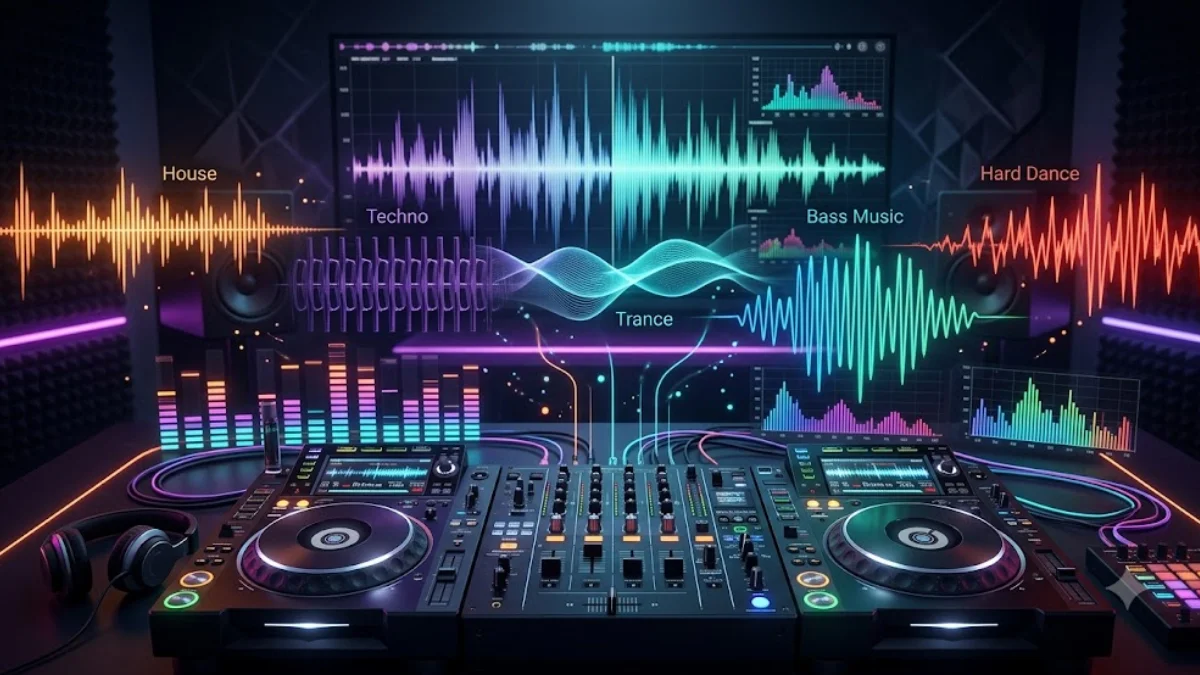
Electronic music has transformed the way people create, perform, and experience sound. From underground clubs to international music festivals, electronic genres continue to influence artists around the world. Among these genres, electro has earned a distinctive identity through its mechanical grooves, vintage drum machines, and expressive synthesizers. One concept lies at the heart of every electro track: BPM, or beats per minute.
For anyone interested in music production, DJing, or simply understanding how electronic music works, learning about BPM is an excellent place to start.
Understanding BPM
BPM measures the speed of a song by counting how many beats occur in one minute. Although it seems like a simple technical measurement, tempo has a major influence on how listeners experience music.
A slower tempo often creates a calm or relaxed atmosphere, while faster tempos generally increase excitement and intensity. Producers use BPM as the framework for arranging drums, basslines, melodies, and effects.
Without a consistent tempo, electronic music would lose the precision that makes it so enjoyable.
Why Electro Music Sounds Different
Electro is often recognised by its punchy drum patterns, syncopated rhythms, robotic melodies, and deep electronic basslines. Unlike some dance genres that rely on straightforward rhythms, electro frequently introduces unexpected rhythmic variations while maintaining a strong groove.
The chosen tempo plays an important role in preserving this balance. It allows producers to create music that feels energetic while leaving enough room for detailed sound design and rhythmic creativity.
Tempo and DJ Performance
Every DJ understands the importance of tempo.
When two tracks have similar BPM values, they can be blended together much more smoothly. This technique, known as beat matching, creates seamless transitions and keeps the energy flowing throughout a performance.
Although modern DJ software can detect BPM automatically, experienced performers still train their ears to recognise tempo differences and adjust transitions manually when necessary.
Comparing Electro with Other Genres
Electronic music includes many different styles, each with unique characteristics.
House music often focuses on steady dance rhythms that encourage continuous movement.
Techno generally develops repetitive patterns that gradually build intensity.
Drum and bass is known for much faster rhythms and energetic percussion.
Electro combines rhythmic precision with futuristic sound design, creating a musical style that remains instantly recognisable while offering plenty of creative freedom.
Why Producers Learn About BPM
Choosing the correct tempo is one of the first decisions made during music production.
A suitable Electro BPM helps producers:
- Build stronger drum patterns.
- Arrange melodies naturally.
- Synchronise effects with the rhythm.
- Maintain consistent energy throughout a song.
- Create smoother remixes and edits.
Understanding tempo also improves collaboration because musicians and producers can communicate using a common musical reference.
Tips for Beginners
If you're new to electronic music, developing an understanding of BPM doesn't require expensive equipment.
Start by listening carefully to tracks from different artists and pay attention to how rhythm changes from one song to another. Practice counting beats, compare tempos between genres, and experiment with different BPM values inside music production software.
As your listening skills improve, recognising tempo becomes much easier.
Learning More
Understanding tempo is one of the most valuable skills for anyone interested in electronic music. Whether your goal is producing tracks, performing as a DJ, or simply exploring different genres, learning how BPM influences rhythm, groove, and energy will give you a deeper appreciation of electro music.