Sign up with Google
 Sign in with Zoho

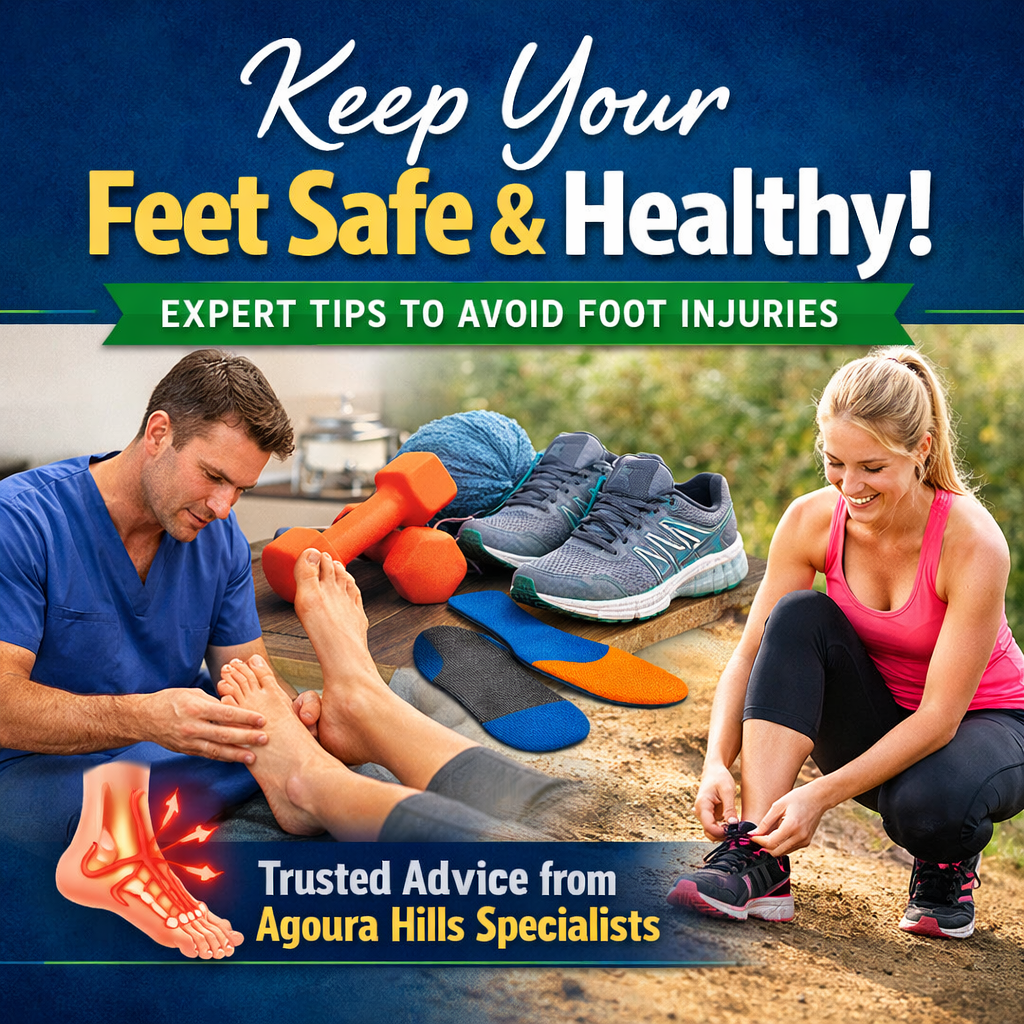
Foot pain often starts small: a sore heel after a walk, aching arches after work, or ankle tightness that keeps coming back. Over time, those minor issues can turn into bigger injuries that affect movement, exercise, work, and daily comfort. That is why many people turn to a foot specialist whom Agoura Hills residents trust when discomfort starts interfering with normal life. The good news is that many foot and ankle injuries can be prevented with smart habits, better footwear choices, and early attention to warning signs. If you want to stay active and avoid unnecessary pain, these simple tips can make a real difference.
Why do foot injuries happen so often?
Your feet absorb pressure all day. Whether you are standing for long hours, walking on hard surfaces, playing sports, or wearing unsupportive shoes, your feet are constantly under stress.
Common causes of foot injuries include:
- Poor arch support
- Tight calf muscles
- Repetitive strain from walking or running
- Improper footwear
- Ignoring early pain
- Weak ankle and foot muscles
Small mistakes repeated daily often lead to bigger problems like heel pain, tendon irritation, bunion discomfort, stress injuries, or plantar fascia strain.
1) Are you wearing the right shoes for daily movement?
One of the biggest causes of preventable foot pain is wearing shoes that look good but do not support the foot properly. Shoes affect posture, pressure distribution, balance, and shock absorption.
A supportive shoe should offer:
- A stable sole
- Enough toe room
- Proper arch support
- Cushioning without being overly soft
- A secure fit around the heel
If your shoes are worn out, uneven at the bottom, or make your feet tired quickly, they may be doing more harm than good. A trusted foot specialist will often tell patients that the wrong shoes can quietly create long-term problems.
What should buyers keep in mind before choosing footwear?
When comparing shoes, focus on function rather than style alone. Better construction usually means improved comfort, longer wear, and more support over time. That matters especially for teachers, retail workers, gym users, and older adults.
2) Why is stretching important before and after activity?
Tight muscles in the calves, ankles, and feet increase strain on the heel and arch. This is especially common in runners, walkers, and people who stand for hours.
Helpful stretches include:
- Calf wall stretches
- Toe flex and extension stretches
- Ankle circles
- Towel stretches for the arch
- Gentle Achilles tendon stretching
Doing these regularly helps improve flexibility and reduces unnecessary pulling on the bottom of the foot. If pain appears first thing in the morning or after sitting for a long time, stretching should become part of your daily routine.
3) Can strengthening exercises really protect your feet?
Yes, and this is one of the most overlooked injury prevention steps. Strong feet and ankles help improve balance, stability, and shock control.
Simple exercises that support foot health include:
- Toe curls with a towel
- Heel raises
- Marble pickups
- Single-leg balance practice
- Resistance band ankle movements
These exercises are useful for people recovering from strain, athletes, older adults, and anyone who wants to reduce the risk of recurring pain. Many patients visiting a foot specialist in Agoura Hills are surprised to learn that weak foot muscles often contribute to repeated discomfort.
4) What early warning signs should never be ignored?
A lot of serious foot problems begin with mild symptoms that people brush off for weeks or months. Paying attention early can save time, money, and unnecessary pain later.
Watch for signs like:
- Heel pain after waking up.
- Swelling near the ankle.
- Sharp pain while walking.
- Burning or tingling sensations.
- Pain that returns after activity.
- Shoes feeling tighter on one foot.
If symptoms keep returning, it is worth getting evaluated instead of waiting for the issue to become more limiting.
Check out the New Health Guide: https://medium.com/@podiatristcare/plantar-fasciitis-relief-tips-from-agoura-hills-podiatrists-0f7795f5eae0
5) How does body movement affect foot injury risk?
Foot health is not only about the feet. Your knees, hips, posture, and walking pattern all influence how pressure moves through your lower body.
Poor movement mechanics can cause:
- Uneven weight distribution.
- Overuse of one side of the foot.
- Added stress on tendons and joints.
- Reduced shock absorption.
That is why experienced specialists often assess more than just the painful area. A personalized approach helps identify what is truly causing the discomfort rather than only treating the symptom.
Why do many people delay treatment?
Many people assume foot pain will go away on its own. Others try changing shoes or resting briefly, only to have the pain return. The smarter approach is to act when symptoms are still manageable, especially if your work or lifestyle depends on staying active.
6) Should you see a specialist before the pain gets worse?
Absolutely. Prevention is not only about avoiding injury; it is also about stopping small issues from turning into long-term problems. If you have recurring soreness, balance issues, or pain that affects walking, professional care can help you avoid a more serious setback.
A qualified specialist can help with:
- Foot structure evaluation.
- Gait and movement assessment.
- Preventive care planning.
- Shoe and orthotic recommendations.
- Activity-specific support.
This kind of care is especially useful for active adults, seniors, workers on their feet all day, and anyone with recurring heel, arch, or ankle discomfort.
Local care matters in Agoura Hills
Choosing nearby support can make follow-up care easier and more consistent. Local patients often prefer a provider who understands common lifestyle patterns in the area, whether that includes walking routines, fitness activity, work demands, or long-standing hours. If you have been dealing with repeat foot discomfort, talking with a foot specialist in your area can help you make more confident care decisions.
Check out the Map direction: https://maps.app.goo.gl/13V7iz4fA6p4RWXBA
Taking care of your feet is not just about comfort. It is about protecting mobility, independence, and everyday quality of life. A few smart changes, like better shoes, regular stretching, strength work, and earlier attention to pain, can help prevent bigger issues later. If you have noticed recurring soreness, instability, or heel pain, now is a good time to take action and speak with a local specialist who can help you stay active with more confidence.