Sign up with Google
 Sign in with Zoho

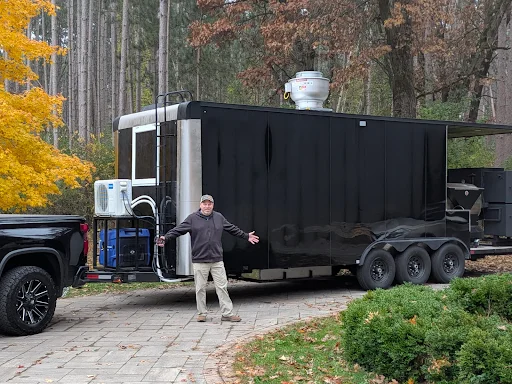
Starting a food truck business is an exciting opportunity for people who want to turn their passion for cooking into a successful venture. Whether you plan to serve burgers, tacos, coffee, desserts, or a specialized menu, having the right vehicle can make a significant difference in your daily operations. Working with custom food truck builders allows business owners to create a mobile kitchen that fits their menu, workflow, equipment requirements, and long-term goals. Instead of adjusting your entire business around a standard vehicle, you can plan a setup that supports the way you want to prepare and serve food.
Begin with a Solid Business Strategy
Before you begin searching for your truck or equipment, you need to determine what your business will be selling. Your menu will be the basis for everything, including cooking, walk-in refrigeration, walk-in storage, ventilation, and water supply. For instance, a food truck that would sell fresh burgers is going to need grill equipment, fryers, refrigeration, as well as a venting system that is capable of handling the heat produced. A coffee truck will need coffee machines and coffee grinders, as well as water filters and a place to set them, refrigeration and more.
Think about the volume of customers you expect to reach, where your business is based, what are your hours of operation and how many employees do you require. You need a catering truck that was designed to reach customers on the go in busy business areas as opposed to one that is built for weekend festivals or parties. Having this information available from the start, will make the design idea accurate and, discussing things with builders much more straightforward, as you will have your expectations of the project already listed, rather than some vague concepts.
Choose a Suitable Vehicle Size
When you have a bigger size of a food truck, of course it is going to give you a lot more space for a kitchen, and it can store more of everything on the inside of it. But, it could also be more difficult to stop in some places. If a small business owner plans to offer a limited food menu, or perhaps a smaller space is being leased, a smaller truck might be an ideal fit. Larger trucks offer room for more cooking stations, more refrigeration and a prep area.
Things to keep in mind when comparing vehicle sizes include:
Current kitchen: Ensure you have sufficient room for all equipment and to move around. Storage: Make sure you have space for ingredients, packaging, utensils, cleaning supplies and so on. Parking requirements: Make sure the vehicle will be able to access the places where you intend to do your job.
Comfort of the worker: Leave plenty of space for people to move freely so they aren't getting their legs knocked on every five seconds. Will you require it in future: - - Will the design be able to handle additional menu choices or customers if you wish to grow the business? The hope is that you will choose a vehicle that fits your actual business requirements and not a vehicle where you are paying for empty space.
Create a Kitchen Flow That Works for You
A functional kitchen design is one that aids the user in getting through the tasks of the day with ease and speed. Because a mobile kitchen is constrained by a small footprint; each appliance should have a purpose and designated location.
Determine each step of your process. Chances are, you need some storage areas, some prep areas, some cook lines, some assembly lines, some pick-up areas, and some cleaning areas. Spread those out as your process would go, and set them up in your space in that sequence.
If you keep some vital ingredients at your preparation counter, then you probably don't have to walk to the storage area quite as often. You may like to locate the assembly point near the service window to be very handy for serving your next customer. Location for cleaner and garbage should be optimized. Run through these nuts and bolts with your builder prior to breaking ground. A test drive of a new plan can show you what some costly mistakes are to fix.
There are no tiny kitchen appliances in sight, and the simple configuration means you've got everything you need, and nothing you don't. A simple design with a few great pieces beats a cluttered larger one every time.
Pick Your Gear by Your Menu
When it comes to a food truck, the best investment you can make is in commercial kitchen equipment. You need to purchase different equipment, depending on whether you have a certain type of food and depending on the number of people who are ordering from your truck. Make a list of equipment needed before selecting any other accessories. This may include freezers, refrigerators, grills, fryers, ovens, prep tables, sinks and some appliances.
Check the size and operational requirements of all major equipment. Ensure they will all fit into the design space, and there is enough room for ventilation, cleaning and maintenance, and for staff to move around. Another thing to consider is energy use. Appliances can be powered with electric power, propane, or other approved energy sources, depending on your style. Your builder can work with you to help determine if the appliances you're installing are capable of withstanding the combined load of all your appliances.
Depending on how durable the machine is, some appliances may be more prone to issues and require maintenance time. The more robust the appliances are and the easier the spare parts are available, the better.
Always buy equipment for a specific purpose; do not be attracted to buy equipment because it looks impressive. It should have a clear role and relevance in relation to the menu, productivity or resolving an operational issue.
Prioritize Ventilation, Plumbing, and Safety
The design and build of your mobile food truck is so much more than simply equipment, shelving and counter installation. All of these business factors need to be incorporated into your design. The cooking apparatus that produces smoke, heat, and grease will probably require a related commercial exhaust hood and ventilation system. If you have equipment used to cook food then the fire suppression hardware will probably be necessary, too.
Existing plumbing needs could be: hand washing sinks, warewashing areas, fresh water storage, water waste tanks, and permitted connections. The very specific plumbing demands would be depending on the health department as well as the kind of food preparation with food. Utilities. Electrical systems shall be sufficient to support loads for equipment. Gas installations shall be performed by qualified persons, where permitted, with the proper material and method of installation.
Find out what types of permits, inspections, and operating approvals you will require prior to starting construction. The permitting process will vary depending on the state, county, or municipality. Just because a truck is approved in one area may not mean the truck is fit to hit the road. If you schedule these systems early, you can prevent some expensive changes and avoid long delays as you prepare to open.
Consider Durability and Low-Maintenance Care
Food trucks have to keep moving, can vary with the weather, and are in constant use. The interior has to withstand heat, humidity, sloppy food & beverage waste, cleaning chemicals and the bouncing around of travel.
Work surfaces, wall covering, flooring and storage areas should all be durable, food safe materials. Any finishes should be smooth, easy to clean, so that activities like cleaning can be performed efficiently. Equipment should be mounted securely and stable for safety and to prevent damage when being transported.
Ask what type of substance has been used in the assembly and how different sections will be preserved. Find out which sections will probably have to be checked from time to time and if replacement parts are more likely to be easily available.
Remember also about the finishes on the outside. Good looks will ensure that you are seen by your food trailer design and that any finish is not so durable that you have to do repairs, but appearance should not be more important than the general purpose of the vehicle.
Frequently Asked Questions
1. What should I consider before building a food truck?
Start with your menu, expected customer volume, available budget, vehicle size, equipment requirements, and intended operating locations. You should also research local health department regulations, permits, ventilation requirements, and fire safety standards before finalizing the design.
2. How long does it take to build a custom food truck?
The timeline depends on the vehicle, kitchen design, equipment availability, construction complexity, and inspection requirements. A straightforward project may take less time than a fully equipped truck requiring specialized installations. Ask your builder for a realistic schedule that includes design approval, construction, testing, and any required inspections.
3. Is a custom-built food truck better than a standard setup?
A custom-built truck can be beneficial when your menu, equipment, or workflow requires a specific arrangement.