Sign up with Google
 Sign in with Zoho

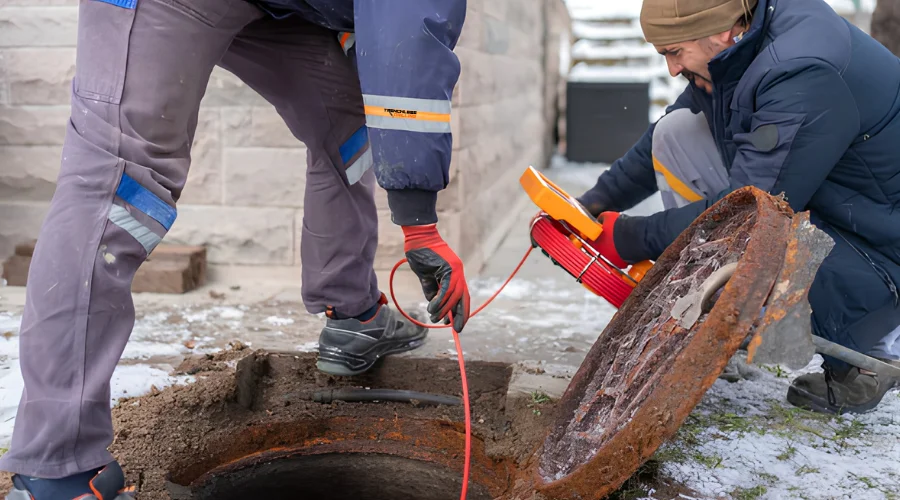
A cracked underground sewer pipe does not always require removal of the property and even of the driveway to fix the problem. The CIPP lining process of the underground pipe is the latest trenchless technology, which gives the homeowner an option to repair their pipe quickly and efficiently. Unlike the replacement of the pipe, the pipe lining is done with the help of a durable resin-based line.
All over the United States, people use the CIPP lining more and more frequently because it causes less damage to their property, saves money on restoration, and increases the lifetime of the pipe. Once you understand the principles of this process and combine it with the trenchless technologies, you will get a very efficient way to fix your cracked or leaking pipe without stopping your business or your family life.
Knowledge of the process will help your property owner understand whether he should line his pipes.
What is CIPP Pipe Lining?
CIPP, or a cured-in-place pipe lining, is a trenchless pipe rehabilitation and restoration method for repairing existing pipes. CIPP lining uses a tube with a textile liner and a liquid resin.
The process begins with the wet-out stage. During this stage, the textile liner is treated with the resin mixture, an epoxy base with a predetermined hardener. Next, the liner is inverted into the pipe with air pressure. The resin will now be on the outside of the liner against the existing host pipe wall. After inversion, a calibration tube is inverted inside the liner, which can then be ambient-cured, hot-water-cured, or steam-cured.
During this period, the curing agent activates the resin, causing it to harden, creating a fitted, smooth, and corrosion-resistant new pipe wall. If necessary, a robotic cutting device will be inserted into the newly lined pipe to reinstate any branch line connections.
How The Cipp Lining Process Underground Pipes Works
The CIPP lining process damaged underground pipes by creating a long-term and durable new pipe inside the existing one without major drilling.
1. Sewer Camera Inspection
Before the repairs start, technicians inspect the sewer lines using a specialized camera. This helps to check damage and conditions of pipes and plan the lining process accordingly.
This inspection also confirms whether the existing pipe is suitable for lining rather than replacement.
2. Pipe Cleaning
Before installing the liner, technicians thoroughly clean the pipe using hydro jetting or mechanical cutters. This removes:
- Tree roots
- Grease buildup
- Mineral deposits
- Debris
- Loose corrosion
A clean surface ensures the resin bonds properly to the existing pipe walls.
3. Liner Preparation
A special felt-and-fiberglass line is coated with a resin that can completely control the condition. The liner is prepared to fit the damaged sewer pipe perfectly.
Proper resin treatment ensures consistent strength throughout the finished pipe.
4. Liner Installation
The saturated liner is inserted through an existing access point, such as a cleanout or maintenance hole. Depending on the project, contractors may use inversion pressure or a pull-in-place method.
Once inside, air or water pressure expands the liner until it presses firmly against the host pipe.
5. Curing Process
The curing stage transforms the flexible liner into a rigid structural pipe.
Depending on project requirements, curing may use:
- Hot water
- Steam
- UV light
The resin chemically hardens, creating a seamless pipe within the old one.
6. Final Inspection
Once the repair is completed, technicians check the sewer line to ensure everything is in good condition and ready for normal use.
Benefits Of The CIPP Lining Process
Property owners choose CIPP for several important advantages:
- Minimal digging and surface disruption
- Faster installation than traditional excavation
- Long service life of 50 years or more
- Seamless pipe reduces future leaks
- Excellent resistance to root intrusion
- Lower restoration costs
- Improved hydraulic flow due to smoother pipe walls
- Suitable for residential, commercial, and municipal sewer systems
These benefits make CIPP one of today's most reliable trenchless rehabilitation methods.
When Is CIPP The Right Solution?
CIPP lining works well for pipes experiencing:
- Small to moderate cracks
- Joint separation
- Root intrusion
- Corrosion
- Minor leaks
- Aging cast iron pipes
- Clay pipe damage
However, if a pipe has completely failed or some sections are missing, removal and replacement may still be necessary.
If some structural damage exists, a professional inspection can decide whether lining or sewer line replacement in Orlando is the better long-term option.
For projects in South Florida, trenchless sewer line replacement in West Palm Beach provides another efficient option when pipe rehabilitation is no longer feasible.
CIPP Vs. Traditional Sewer Replacement
Traditional pipe replacement involves major digging to remove the old pipe and install a new one.
CIPP avoids most of that disruption.
For many underground sewer repairs, trenchless rehabilitation offers substantial savings in both time and restoration expenses.
If you're comparing rehabilitation options, read our guide on slip lining pipe rehabilitation.
How Long Does CIPP Pipe Lining Last?
A properly installed CIPP line can run for up to 50 years. It is a seamless design that helps to protect the pipe from cracks, corrosion, tree roots, and leaks. Making it a more durable and long-lasting solution for underground sewer repairs. Regular checking and planned inspection can enhance the system's performance. If you are choosing between different lining materials, explore the expiry pipe lining vs. CIPP to understand which solution is best for your project.
FAQs
- Is CIPP lining good for homes?
Yes. CIPP lining is a reliable solution for repairing residential sewer lines without major digging.
- Can tree roots damage a CIPP liner?
No. The seamless liner helps block tree roots from entering the pipe.
- How long does CIPP installation take?
Most projects are finished in just 1–2 days.
- Does CIPP require digging?
Very little. Most repairs are completed through existing access points.
- Will CIPP make the pipe smaller?
Only slightly. The smooth liner helps wastewater flow efficiently.
Final Thoughts
The use of CIPP lining for underground pipe maintenance is an effective way to repair damaged sewer pipes without the hassle of excavation. Through the creation of a new pipe structure within the existing one, property owners can easily repair underground piping while ensuring landscaping and other structures remain untouched. If you own a residence or a business facility, you can rest assured that CIPP will offer you quality performance with little or no surface damage.
Fast & Reliable Trenchless Sewer Line Repair
Protect your property through no-dig sewer repair by trenchless drilling. Our experts efficiently repair and replace underground sewer lines with minimal digging and surface disruption.