Sign up with Google
 Sign in with Zoho

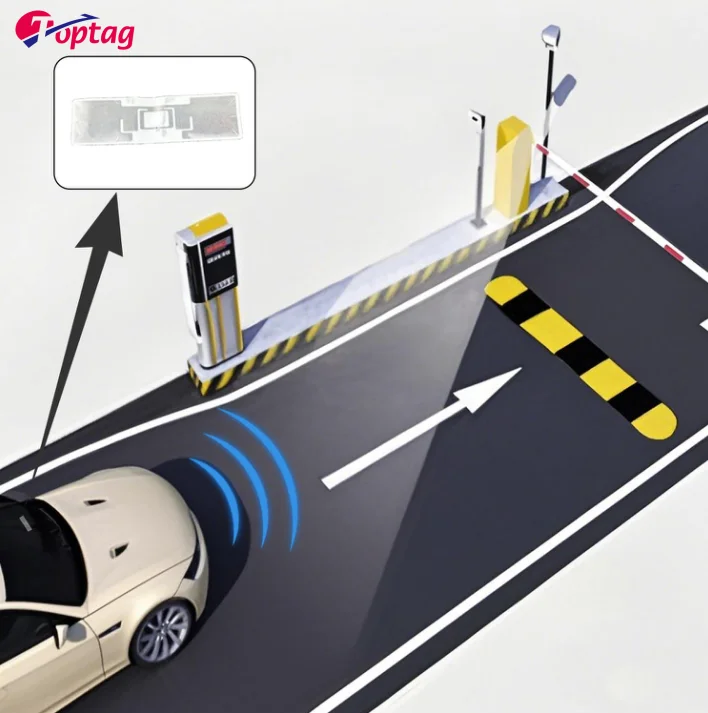
Most firms plan RFID labeling around the hardware: which tag, which reader, how many. The workflow itself gets far less attention, and that is usually where projects wobble. Shenzhen TopTag Technology has supplied tags, labels, readers and software to businesses of all sizes, and the same slip-ups turn up again and again. Here is what tends to get missed.
Planning RFID Labeling Around the People Who Handle Stock Daily
The best systems fit around existing habits. Ask the people on the floor where a scan would slow them down. Map every step from goods-in to dispatch, then mark where a tag is read, written or checked. Small changes to a routine, such as scanning at a fixed gate instead of item by item, often matter more than the tag itself.
Staff also need a reason to trust the new process. Show them what is in it for them, such as fewer manual counts and fewer end-of-month arguments over missing items.
How Does HF RFID Read Range Actually Behave on Busy Shop Floors?
Brochures can make performance sound generous, but HF RFID read range is short by design, usually a few centimetres rather than metres. That suits close-contact jobs such as access control, payments and checks at a counter. It is not a fault. It simply means your layout has to match the technology.
Three things shift HF RFID read range in practice:
- Antenna and tag size: a bigger antenna helps, but only if it suits the tag.
- Metal and liquids nearby: both can detune the signal and cut performance.
- Tag orientation: a tag held sideways may not respond at all.
Test HF RFID read range on your own benches, with your own products, before you order in bulk.
Tag Placement, Materials and Surfaces: The Quiet Troublemakers
Where a label sits on a product changes everything. A tag on a metal tin behaves very differently from one on a cotton shirt. Curved bottles, foil packaging and damp goods each need a specific tag construction. Good RFID labeling also allows for wear, heat, washing and storage conditions.
Think about applications too. Will labels go on by hand, by machine or at source, before goods even reach you? Source tagging can save a great deal of handling time. Remember, too, that HF RFID read range drops if a label is bent, creased or half covered.
Which Data and Software Questions Should You Settle Very Early?
A tag is only useful if the data behind it makes sense. Decide how codes map to your stock system, who owns that data and how errors get corrected. Duplicate IDs and unclear naming cause more headaches than any antenna ever will. Give integration with your current software its own timetable, and plan the data side of RFID labeling as carefully as the physical side.
Working With a Manufacturer Who Stays Involved After Delivery
A supplier that handles design, production and technical support under one roof can shorten the learning curve considerably. Look for flexibility on shape, size and material, and for a team willing to adjust small details once real-world testing starts. Fast lead times and reliable capacity matter as well, because a delayed label batch can hold up an entire rollout.
Ask whether the supplier will help you trial RFID labeling on your own products, rather than simply posting a box of samples. Personal support at that stage saves weeks of guesswork.
Final Thoughts
RFID labelling is not just about choosing the right products; it also involves adapting your existing processes. Start small, test the system in real working conditions, check reading distances and organise your data before expanding. Top Tag offers customised RFID tags, labels, readers and technical support to help businesses build a tracking system that fits their operations and day-to-day requirements.
FAQs:-
How long should a pilot run?
Aim for at least four to six weeks, including a peak period, so you see how the system copes with pressure.
Can I keep my existing barcode process?
Yes. Many businesses run both side by side while staff gain confidence, then phase barcodes out gradually.
Do metal products need special tags?
Usually, yes. Metal can interfere with standard tags, so choose a construction designed for metal surfaces and test it first.
Are custom tags worth the extra effort?
Often they are. A tag made to suit your product’s size, material and use tends to perform more reliably than a generic one.