Sign up with Google
 Sign in with Zoho
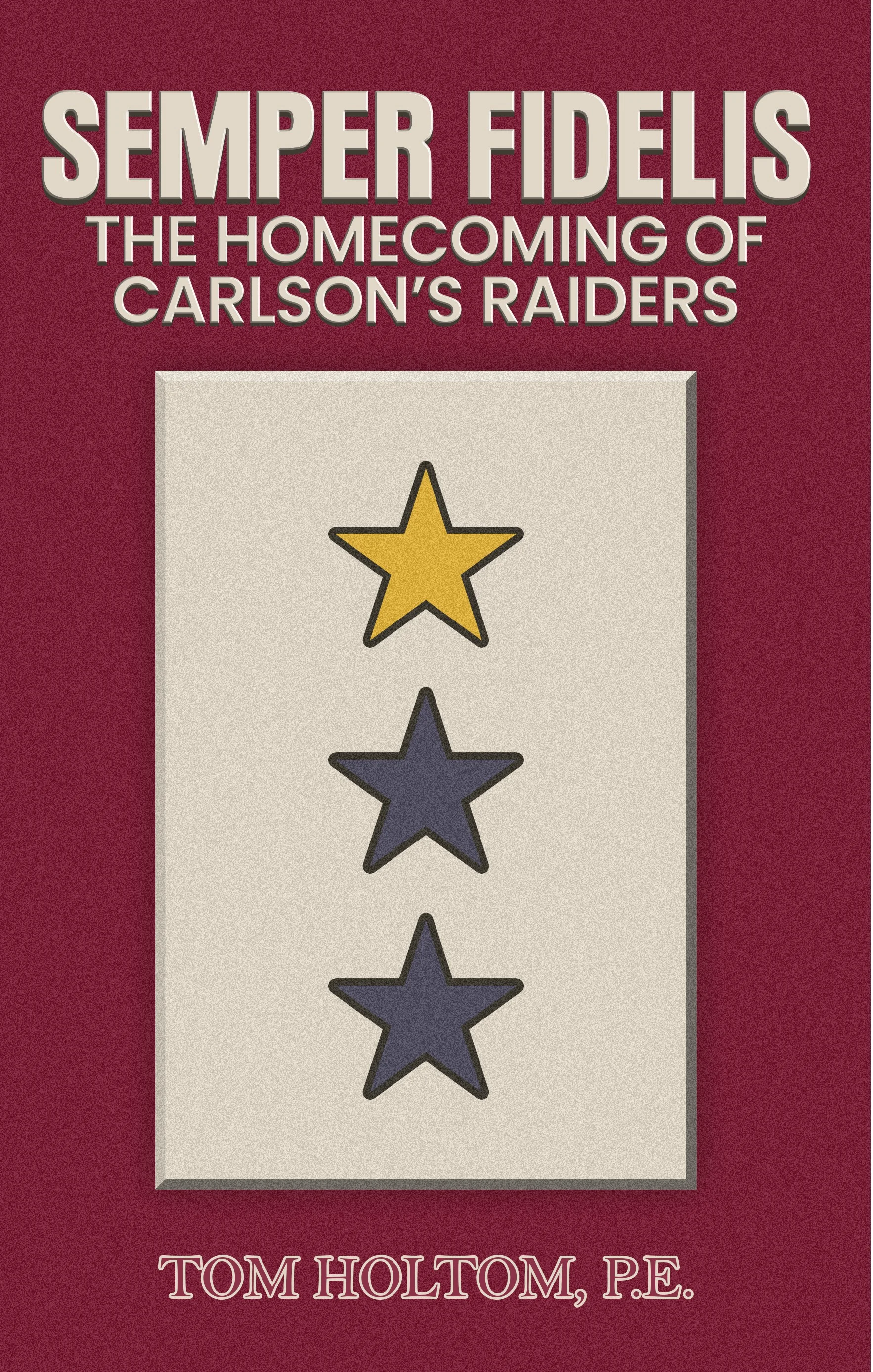
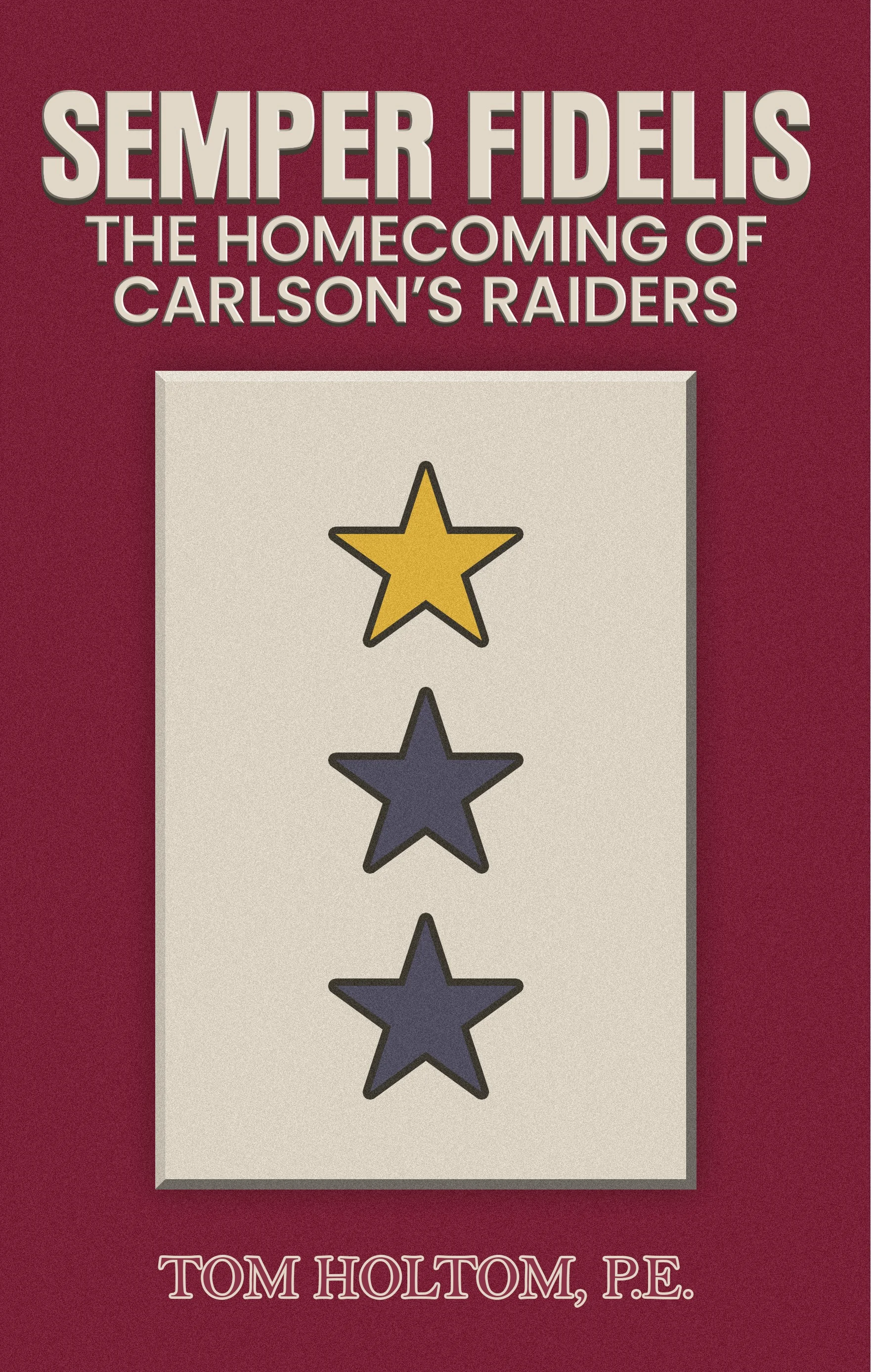
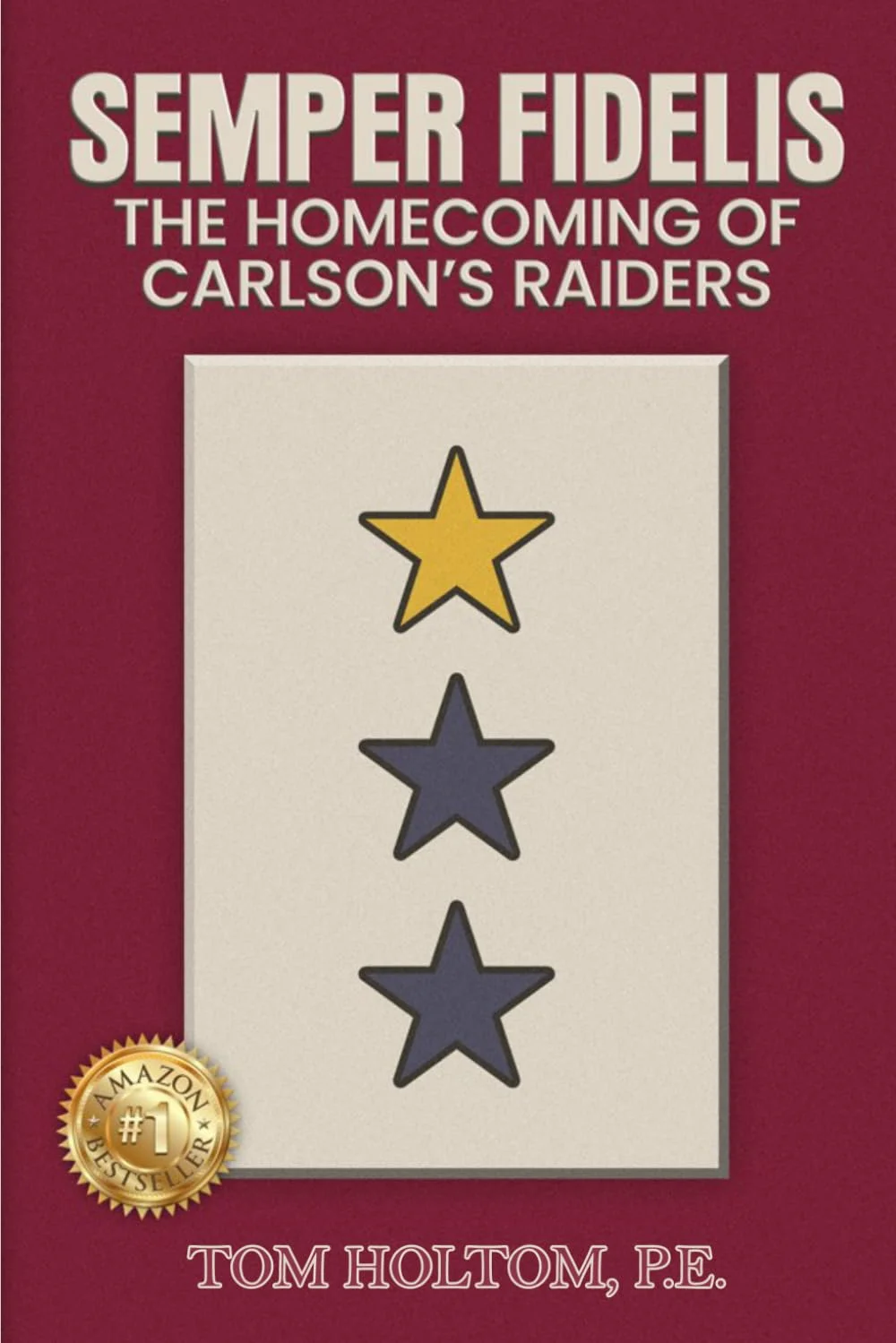
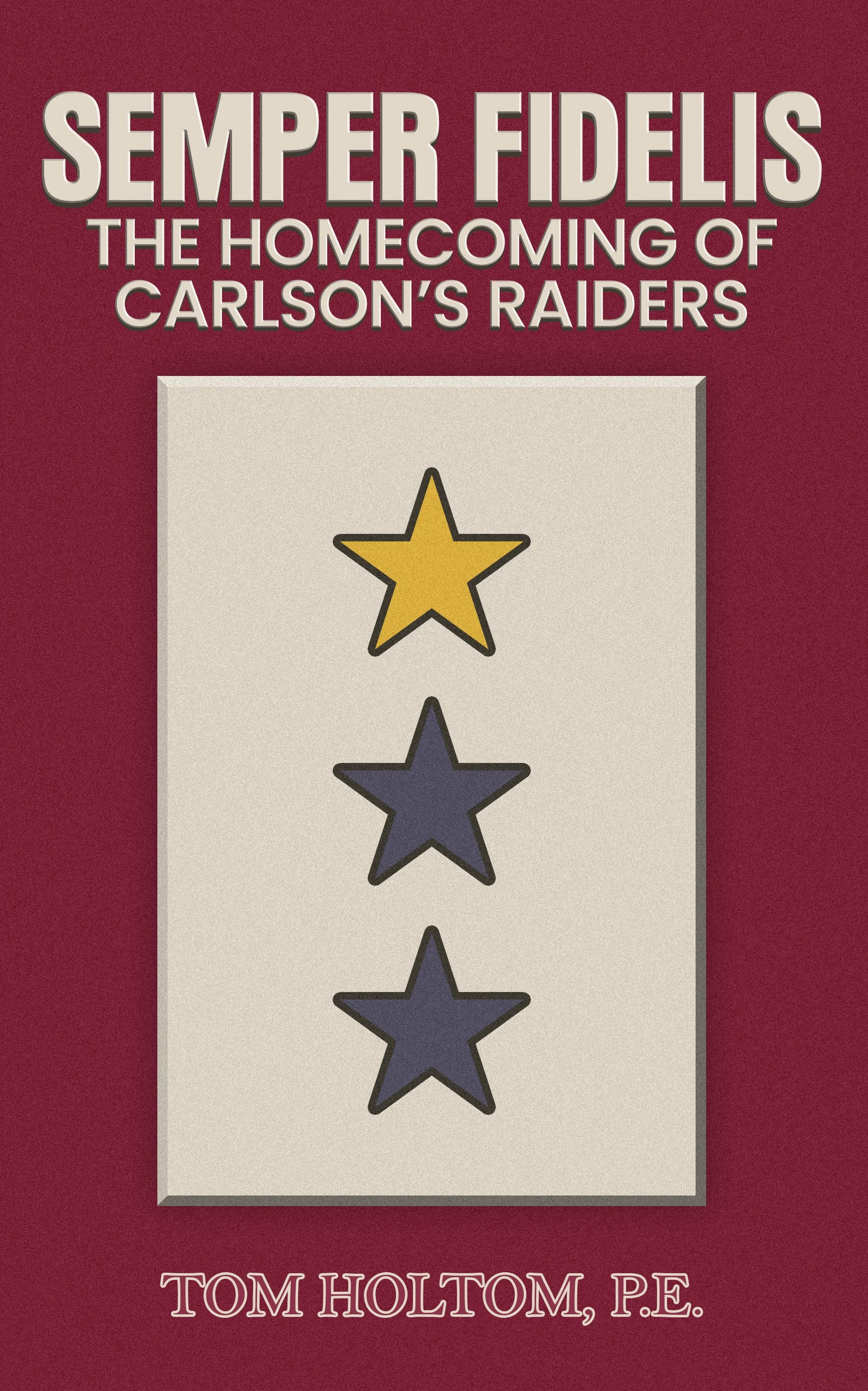
Some family stories live quietly in old photo albums for decades, waiting for the right person to ask the right question. For author Tom Holtom, that question started with a single black-and-white photograph tucked inside a Japanese tonsu chest, and it ended with a journey that connected him to one of the most remarkable recovery missions in United States Marine Corps history. His book, Semper Fidelis: The Homecoming of Carlson’s Raiders, tells that journey in full, but the story behind the story matters just as much.
A Photograph That Changed Everything
Every family has a relative who exists mostly as a name on a wall or a line in a Bible. For the Holtom family, that relative was Captain Gerald Holtom, a young Marine officer who never came home from World War II. He was little more than a faded photograph and a few scattered memories passed down through relatives who barely remembered him themselves.
Tom Holtom grew up hearing fragments. A war hero in the family. A uniform in a box. A story nobody quite finished telling. It took finding old photographs and letters stored away in a family heirloom chest to turn those fragments into a real person, one with a face, a voice, and a story worth telling.
That moment of discovery is something many readers will recognize. Grief in families often gets folded away rather than spoken aloud. Tom Holtom’s experience shows what can happen when someone finally opens that drawer.
Why This Story Carries Real Weight
What separates Semper Fidelis from a typical war narrative is the author’s direct, documented connection to the events. Tom Holtom is not retelling history from a distance. He is the great-nephew of Captain Gerald Holtom, and decades after his uncle’s death, he became personally involved in the effort to locate, identify, and bring home the remains of the fallen Raiders from Makin Island.
This kind of firsthand involvement is rare in historical fiction. Holtom corresponded directly with aging Marine Raiders who had lived through the events themselves, gathering memories that existed nowhere else. He worked with military casualty affairs officials through an official next-of-kin process, placing him at the center of one of the largest recovery efforts of fallen World War II Marines on record.
Readers researching this period of Marine Corps history, including the formation of Carlson’s Raiders and the Makin Island raid, will find that Semper Fidelis reflects genuine documentation rather than secondhand retelling. That distinction matters for anyone who values accuracy alongside emotion in historical storytelling.
A Family Built Around Service and Sacrifice
The Holtom family’s story extends well beyond one Marine captain. Multiple siblings served during World War II, and the weight of that service shows up in small, human details rather than grand statements. A handmade banner with stars sewn for each son in uniform. A house that grew quieter with each passing season. A mother whose hands trembled over a needle and thread.
These are the kinds of details that make military history personal rather than abstract. Readers who have a service member in their own family, past or present, often find that the broad strokes of history mean less than these small, specific moments. Semper Fidelis leans into that human experience.
A Story Decades in the Making
What makes this saga particularly compelling is the span of time it covers. The narrative moves between the early 1940s and the late 1990s, following both the original events on Makin Island and the modern-day effort to bring long-lost Marines home. That structure mirrors real life, where a family’s history does not end when the eyewitnesses pass away. It simply waits for the next generation to pick it back up.
For readers interested in genealogy, military history, or how families carry forward the stories of those who came before them, this approach offers a model worth noticing. The past and present are not separate chapters; they inform each other constantly throughout the book.
What Readers Take Away
Semper Fidelis offers something beyond a war story. It shows how curiosity about a family photograph can lead to answers that took more than fifty years to surface, and how those answers can finally bring closure to a family that waited generations for it.
For readers drawn to authentic military history told from the inside, or for anyone who has ever wondered about the unfinished stories sitting in their own family’s keepsakes, Tom Holtom’s account offers both a tribute to the Raiders who served and a quiet reminder that some family mysteries are worth the time it takes to solve them.
Semper Fidelis: The Homecoming of Carlson’s Raiders is available now for readers ready to discover the rest of the story.