Sign up with Google
 Sign in with Zoho

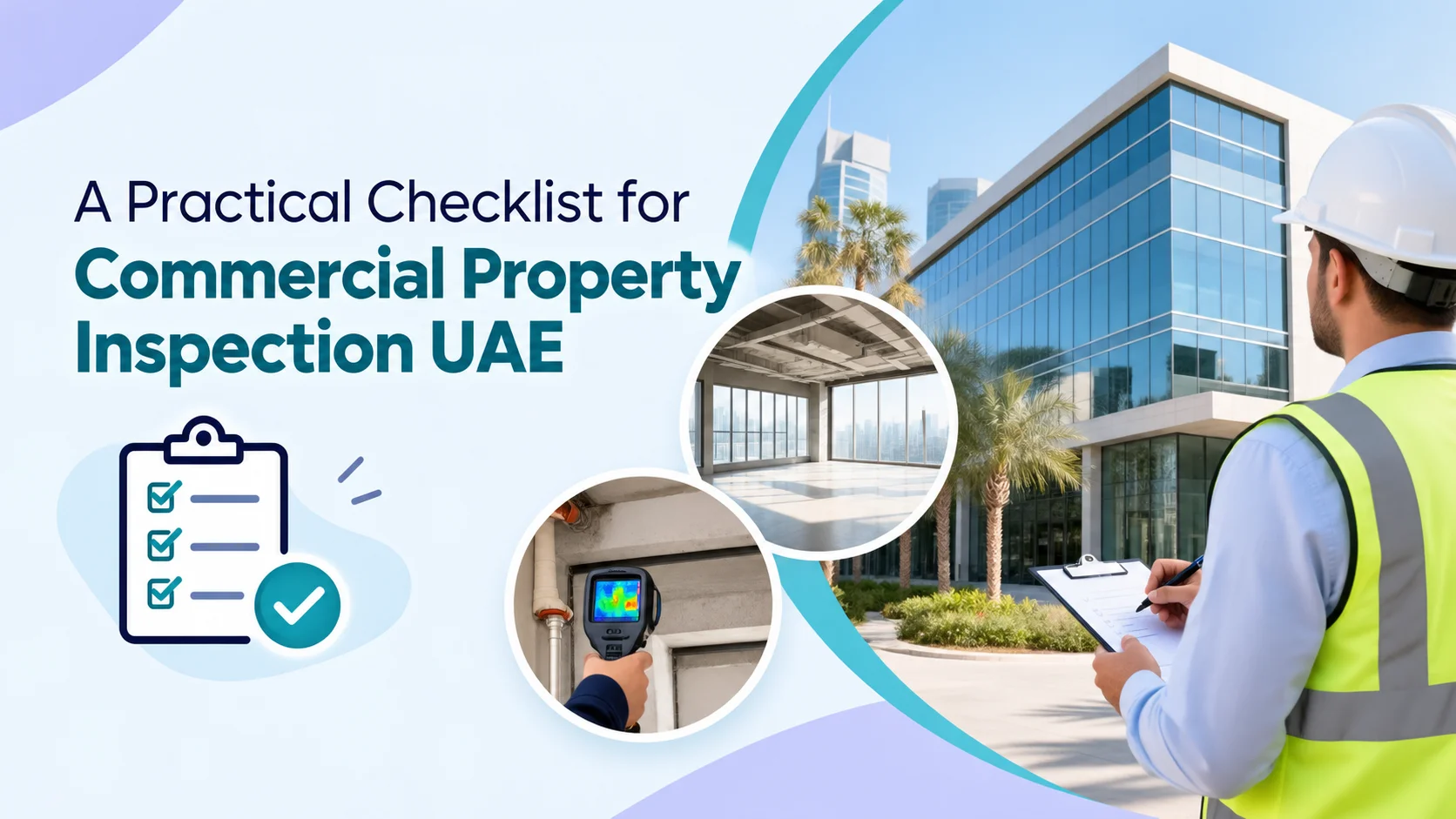
A thorough inspection examines the property's visible condition, building systems, finishes, and key components. It can help property owners, investors, tenants, and businesses understand the actual condition of a commercial space before making important decisions.
Why Is Commercial Property Inspection Important?
Commercial properties contain many interconnected systems, including electrical installations, plumbing, HVAC, fire-safety equipment, drainage, ceilings, walls, and flooring. A problem in one area can sometimes lead to costly issues elsewhere.
A professional commercial property inspection UAE can help identify:
- Visible construction defects
- Water leakage and moisture issues
- Electrical problems
- Plumbing and drainage concerns
- HVAC performance issues
- Damaged walls, ceilings, and flooring
- Door and window defects
- Poor finishing and workmanship
- Safety concerns
- Maintenance issues
Finding these problems early gives property stakeholders an opportunity to address them before they become more expensive or disruptive.
Commercial Property Inspection UAE Checklist
1. Structural Components
The inspection should begin with the property's general structural condition. Professionals may look for visible signs of cracking, movement, deterioration, or other defects.
Important areas include:
- Walls and partitions
- Columns and beams
- Floors
- Ceilings
- Staircases
- External structures
- Visible signs of settlement or damage
Not every crack indicates a serious structural problem, but unusual or significant defects should be documented and assessed appropriately.
2. Walls and Ceilings
Walls and ceilings can reveal signs of water damage, poor workmanship, or deterioration.
Inspectors may check for:
- Cracks
- Damp patches
- Water stains
- Peeling paint
- Uneven surfaces
- Damaged plaster
- Poorly finished areas
- Ceiling defects
Moisture-related problems should receive particular attention because unresolved leaks can contribute to further damage and mould growth.
3. Flooring and Finishes
Commercial spaces often experience significant foot traffic, making flooring condition important.
The inspection can include checking:
- Tiles and flooring
- Grout
- Uneven surfaces
- Cracked or loose tiles
- Scratches and damage
- Skirting
- Surface finishes
For newly constructed or renovated commercial properties, inspectors can also document incomplete or poorly finished work.
4. Electrical Systems
Electrical systems are essential for the safe and efficient operation of a commercial property.
A professional inspection may examine accessible components such as:
- Electrical panels
- Switches
- Sockets
- Wiring
- Lighting fixtures
- Distribution boards
- Visible electrical connections
Any unusual installation, damage, overheating signs, or non-functional components should be recorded for further investigation by the appropriate qualified professional.
5. HVAC Systems
Heating, ventilation, and air-conditioning systems are particularly important for commercial properties in the UAE.
The inspection may include:
- Air-conditioning units
- Thermostats
- Vents and diffusers
- Airflow
- Visible ductwork
- Condensation drainage
- Unusual noises or leaks
A properly functioning HVAC system contributes to occupant comfort and can help businesses avoid unnecessary maintenance expenses.
6. Plumbing and Water Supply
Plumbing defects can cause operational disruptions and expensive property damage.
Inspectors may check accessible areas for:
- Water pressure
- Taps and fixtures
- Visible pipework
- Leaks
- Drainage
- Toilets
- Sinks
- Water heaters
- Signs of moisture
Bathrooms, kitchens, service areas, and other water-dependent spaces should receive careful attention.
7. Doors and Windows
Doors and windows should be checked for proper operation, alignment, and visible damage.
The checklist may include:
- Door alignment
- Locks and handles
- Hinges
- Window operation
- Glass condition
- Frames
- Seals
- Gaps and visible damage
For commercial properties, functional doors and windows can also contribute to security, energy efficiency, and day-to-day usability.
8. Fire and Safety Features
Safety systems are an important part of commercial property assessment. Depending on the property and scope of inspection, accessible safety-related components may be reviewed.
These can include:
- Fire doors
- Emergency exits
- Exit signage
- Fire extinguishers
- Emergency lighting
- Alarm-related components
- Accessible fire-safety equipment
Specialist testing or certification may be required for certain fire and life-safety systems.
9. External Areas
The inspection should not be limited to the property's interior.
External areas may include:
- Building entrances
- Parking areas
- External walls
- Drainage points
- Roof areas where accessible
- Landscaping
- Walkways
- Service areas
External defects can affect accessibility, drainage, appearance, and long-term maintenance requirements.
10. Moisture and Water Damage
Moisture can be difficult to identify through a simple visual inspection. Professional inspection equipment can help identify areas that may require further investigation.
Inspectors may look for:
- Water stains
- Dampness
- Leaks
- Moisture around plumbing
- Ceiling damage
- Wall discoloration
- Potential sources of water intrusion
Early identification can help prevent minor moisture problems from developing into larger repair issues.
What Should Be Included in a Commercial Inspection Report?
A professional inspection report should clearly document the findings and provide supporting evidence where appropriate.
A useful report may include:
- Identified defects
- Location of each issue
- Photographs
- Descriptions of defects
- Areas requiring attention
- Recommended next steps
- Supporting observations
For property owners and investors, a detailed report can make it easier to communicate issues to developers, contractors, landlords, or facility management teams.
When Should You Arrange a Commercial Property Inspection?
A commercial property inspection can be useful at several stages, including:
- Before purchasing a commercial property
- Before signing a long-term lease
- During property handover
- After construction or renovation
- Before moving a business into a new location
- During periodic property assessments
- Before major maintenance or refurbishment
The earlier significant defects are identified, the more opportunity stakeholders may have to address them.
Choose a Professional Commercial Property Inspection UAE Service
Commercial properties require a systematic inspection because they contain numerous building components and systems. A professional inspection can provide a structured assessment of visible defects and help stakeholders understand areas that may require attention.
For businesses and investors, a commercial property inspection UAE can be an important step before committing to a property. A detailed inspection checklist covering structural elements, finishes, electrical systems, HVAC, plumbing, safety features, and external areas can help create a clearer picture of the property's condition.
Final Thoughts
A commercial property represents a significant financial and operational commitment. Overlooking a small defect today can potentially result in larger maintenance expenses later.
Using a practical commercial property inspection UAE checklist helps ensure that important areas are reviewed systematically. Whether you are buying, leasing, receiving a newly completed property, or assessing an existing commercial building, a professional inspection can help you identify defects and make informed property decisions.