Sign up with Google
 Sign in with Zoho

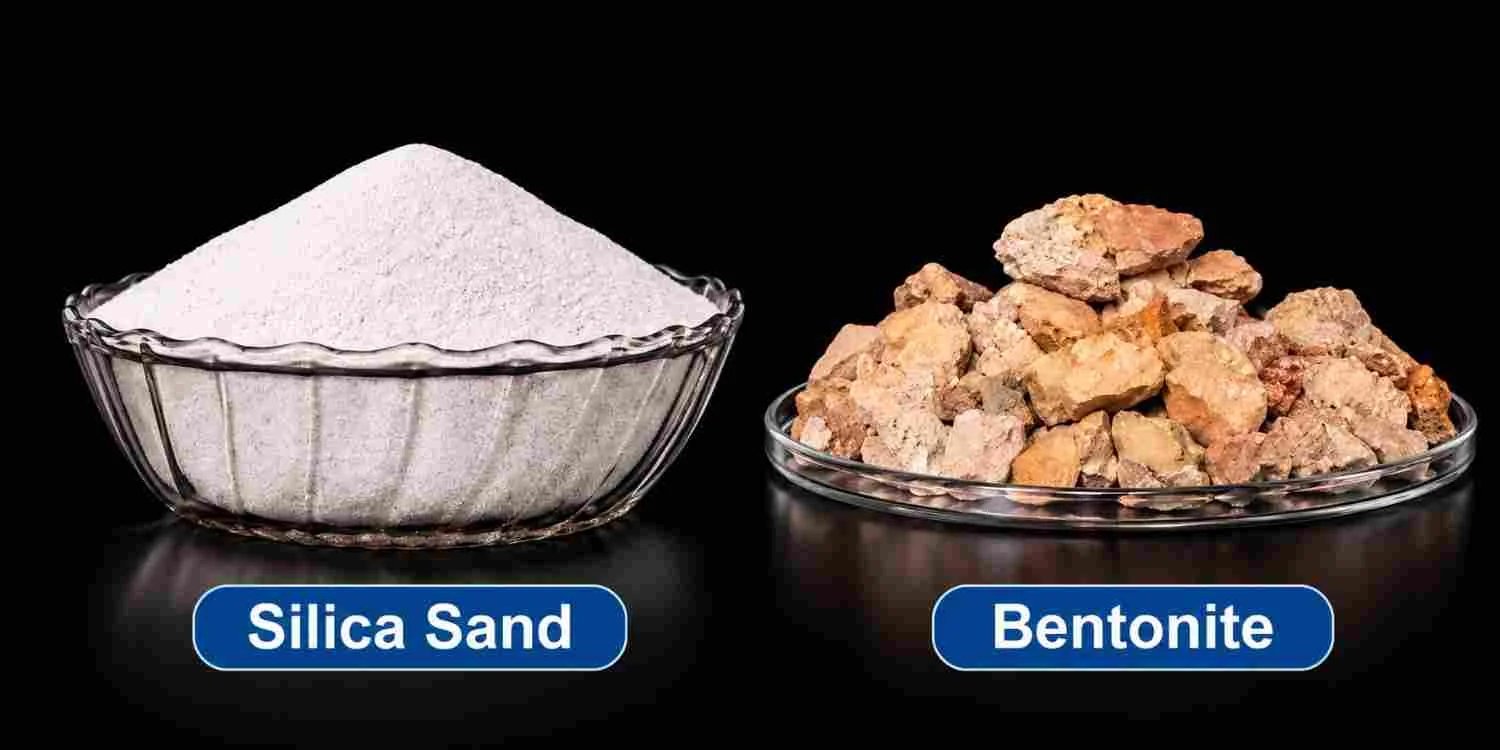
one or two sentences about the first time you noticed sand or clay in an unexpected colour. A quarry visit, a sample on a desk, a delivery that looked different from the last one. People often assume sand is yellow and clay is brown. Spend a little time around industrial minerals and that idea falls apart quickly. Sand can be pure white, honey yellow, rusty red, or nearly grey. Clay can be cream, tan, olive green, or almost black. The colours are not random, and they say a good deal about what is in the ground.
Iron Does Most of the Painting
Pure quartz, the main mineral in most sand, is colourless. Look at a single clean grain under a lens and it is clear or milky white. The colour you see in a pile of sand mostly comes from a thin coating on the grains, and the usual cause is iron.
Iron oxides are very strong colouring agents. A tiny amount goes a long way. Hematite gives a red tone. Goethite gives yellow and brown. The same iron can produce different colours depending on how much water is around and how the mineral formed, which is why one hillside can show bands of red, orange, and cream.
Why Iron Matters Beyond Looks
Colour matters because it hints at iron content, and iron content matters to some buyers. Glass makers, for example, want very little iron because it tints glass green or brown. Other users do not mind iron at all. Foundries and construction firms rarely care about it, so a yellow sand can be perfectly suitable for them. The colour is a clue, not a verdict.
Organic Matter Darkens Things
Dark sands and clays often owe their colour to decayed plant material rather than minerals. Organic matter turns grey, brown, or nearly black, and it can mask the true colour of the grains beneath.
This is why some clays change dramatically when they are fired. The organic content burns off in the kiln and the clay body comes out much lighter than it looked in the ground. Ceramic makers know this well, and they test fired colour at their own kiln temperature, since the raw colour can be misleading.
Why Clay Has Its Own Palette
Clay colours follow similar rules, with a few extras. Bentonite is formed from the alteration of volcanic ash, and it ranges from white and cream to yellow, tan, and olive green. The green and grey tones usually come from iron in a different chemical state, the type that has not been fully oxidised, while the yellow and brown shades come from oxidised iron.
Colour in bentonite does not decide how it performs. A pale clay and an olive clay can swell and bind in very similar ways, and two clays that look identical can behave quite differently. Buyers who talk to bentonite suppliers are usually asked about swelling, moisture, and particle size long before anyone mentions colour, because those figures are what actually predict results in a mixer or a drilling tank.
What Colour Can and Cannot Tell You
A quick look at colour can still be useful. Here is how experienced people tend to read it.
A sudden change from one delivery to the next is worth a closer look. It may mean the material came from a different part of the deposit, or that processing changed. It does not prove a problem, but it justifies a phone call and a quick test.
Whiter is not automatically better. Surface staining can wash off, and some unwanted minerals are colourless. A tan sand can pass a chemical test that a bright white sand fails.
Colour has to be judged in the same light. A sample looks different under a warehouse bulb than in daylight, and wet material looks darker than dry. Compare dry samples side by side, in the same place, against a labelled reference.
Where Colour Does Matter
For some products, colour is part of the specification. Clear glass, white sanitaryware, bright tile bodies, and some coatings all need light-coloured raw materials. In those cases, buyers set limits on iron and other colouring oxides, and they check results with a chemical analysis, not by eye.
Anyone sourcing sand for these uses will find it useful to ask silica sand manufacturers for iron content figures and washing details, since the way a sand is washed and sorted changes how much of the surface staining remains.