Sign up with Google
 Sign in with Zoho

If you’re starting out, slow is the safest way to go. Move a bit more, eat reasonably well and build habits you can still see yourself doing in a year. The NHS suggests aiming to lose around 0.5 to 1 kg (1 to 2 lbs) a week.
This guide walks you through it step by step, with no crash diets and no guesswork.
Health note: Speak to your GP before changing your diet or exercise, especially if you have a medical condition. This guide is general information, not medical advice.
What Does a Beginner Weight Loss Plan Actually Look Like?
It’s simpler than most people expect. A good plan has four parts:
- Movement: regular activity you don’t dread
- Strength work: two sessions a week
- Food habits: balanced meals, not extremes
- Recovery: decent sleep and proper rest days
Start small. A plan you can stick to will always beat a perfect one you quit by week three.
What Does Sustainable Weight Loss Mean?
It means changes you could keep up for years, not weeks. It’s slow, steady and forgiving when life gets in the way.
Crash diets pull in the opposite direction. The NHS advises against them and recommends losing weight gradually instead.
Which Healthy Weight Loss Habits Matter Most?
The best habits are small enough to repeat without thinking. The NHS suggests a few good places to begin:
- Swapping sugary drinks for water
- Aiming for five portions of fruit and veg a day
- Reading food labels
- Not skipping meals, because hunger often leads to snacking
Pick one or two to start with. Add more once they feel automatic.
How Does Fat Loss Work for Beginners?
At its core, fat loss for beginners is a modest, steady energy deficit. Over time, you use a little more energy than you eat.
The key word is modest. Cutting too hard usually backfires through constant hunger and lost muscle.
How Should You Start Exercising?
Begin with whatever feels manageable. A brisk walk counts.
The NHS recommends 150 minutes of moderate activity a week. You don’t need to do it all at once, and ten minutes at a time is a perfectly good start.
What Does a Good Exercise Plan for Weight Loss Include?
An exercise plan for weight loss mixes three things:
- Walking or light cardio: most days
- Strength training: at least two days a week
- Rest: so your body can adapt
Keep sessions short at first. Turning up regularly matters far more than how hard you go.
Does Strength Training Help With Fat Loss?
Yes. Strength training for fat loss helps you hold on to muscle while the weight comes off. That means you stay stronger and move more easily day to day.
The NHS recommends strength work on at least two days a week, covering all the major muscle groups. Basic bodyweight moves are enough to begin with.
Is Exercise Safe if You’re Overweight?
For most people, yes, as long as you build up gradually. Fitness for overweight beginners should start gently, with low-impact options like walking, cycling or seated exercise.
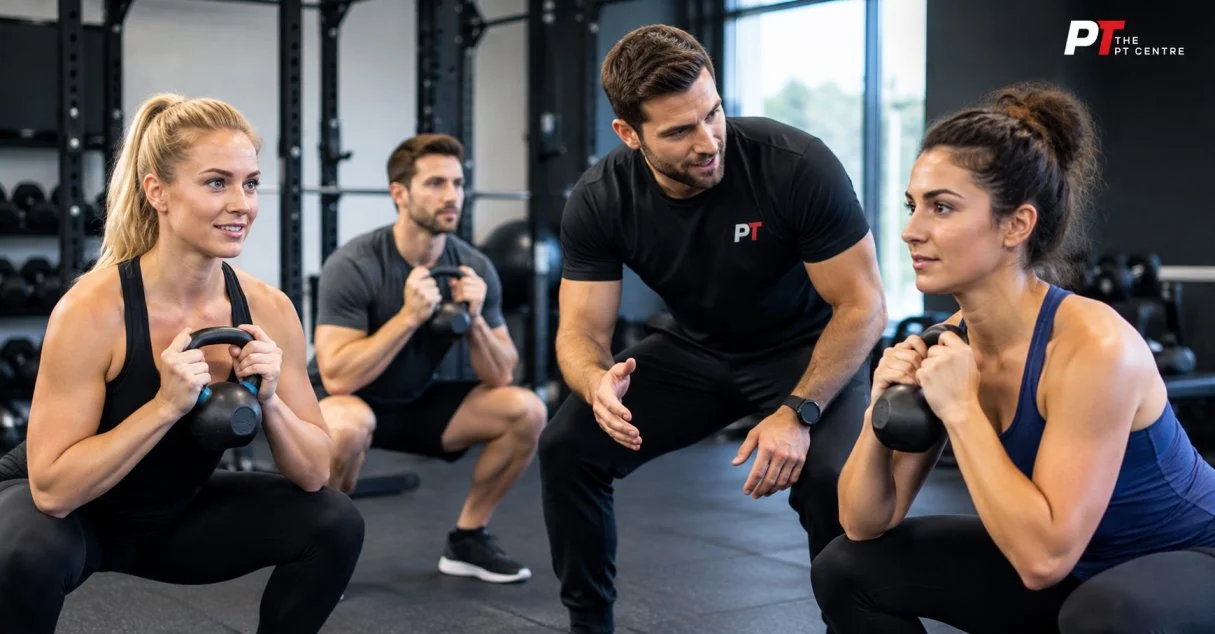
Lots of people feel self-conscious about the gym, and that’s completely normal. A quieter space and a patient coach can make a real difference.
Health note: Speak to your GP first if you have joint problems, heart or breathing concerns, or haven’t exercised for a long time.
How Do You Build Consistent Exercise Habits?
Make training easy to repeat. A few things that help:
- Book sessions in like meetings
- Keep workouts short on busy days
- Lay out your kit the night before
- Track sessions, not just the scales
A routine that survives a hectic week is one that lasts.
Why Does Accountability Matter?
Motivation dips for everyone. Weight loss accountability is what keeps you going when it does.
The NHS suggests sharing your plan with someone you trust. A coach can do the same job, checking in on your progress and adjusting the plan. It’s much harder to skip a session when someone’s expecting you.
When Does Personal Training in Milton Keynes Make Sense?
Consider personal training in Milton Keynes if you want a plan built around your health, your schedule and your confidence. It suits beginners who aren’t sure where to start.
Plenty of people also prefer a private setting, with no queues and no audience.
How Do You Choose a Fitness Instructor in Milton Keynes?
When you’re looking for a fitness instructor in Milton Keynes, ask a few straightforward questions:
- Are they qualified and insured? Membership of CIMSPA, the professional body for the sector, is a good sign.
- Do they ask about your health and goals before anything else?
- Do they steer clear of promising fast results?
- Will they review your progress regularly?
Frequently Asked Questions
1. How much weight can a beginner safely lose in a week?
About 0.5 to 1 kg (1 to 2 lbs), according to the NHS. Everyone’s different, so speak to your GP before you start.
2. What’s the best exercise for beginner weight loss?
There isn’t one. Walking, strength training and activities you enjoy work well together. Consistency matters more than intensity.
3. Do I need to diet to lose weight?
Not an extreme one. Small, balanced changes beat crash diets, which the NHS advises against. Speak to your GP for personal advice.
4. How long does it take to see results?
It varies from person to person. Many people notice better energy and strength before the scales move, so track more than one measure.
Where Should You Start?
Start small. Walk a bit more, add two strength sessions a week and swap one unhelpful habit for a better one.
If you’re unsure, a qualified coach can build the plan with you. Go slowly, speak to your GP first and keep showing up.