Sign up with Google
 Sign in with Zoho
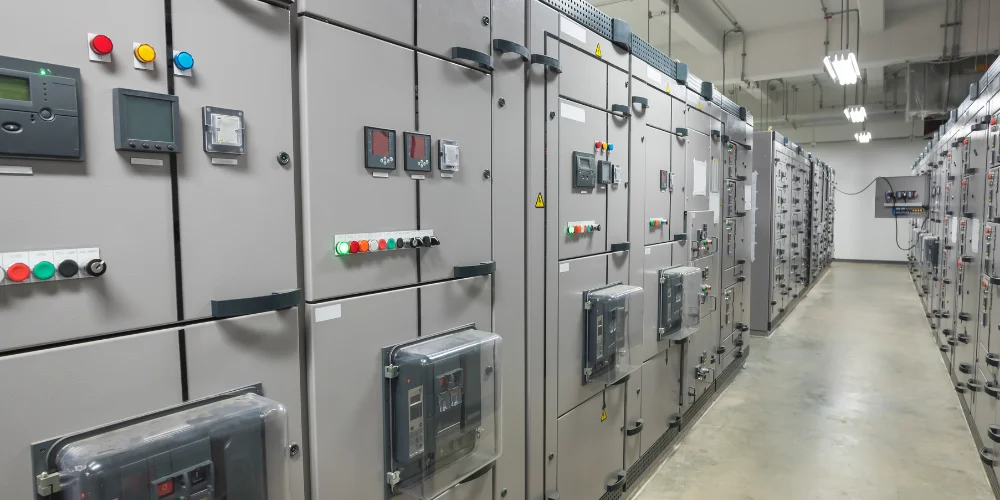
In today’s fast-paced industrial and commercial environment, uninterrupted power distribution is essential for maintaining productivity, safety, and operational efficiency. Whether it is a manufacturing plant, commercial building, hospital, or infrastructure project, every facility depends on a stable electrical distribution system. One of the most critical components that make this possible is the Low Tension (LT) panel.
LT panels are designed to receive electrical power from transformers or generators and distribute it safely to different electrical loads. They not only ensure an uninterrupted supply of electricity but also protect electrical equipment from faults such as overloads, short circuits, and voltage fluctuations. Choosing a trusted LT Panel Manufacturer in India is important because the quality of the panel directly impacts the performance and safety of the entire electrical system.
This article explains how LT panels ensure reliable power distribution and why they are considered an essential part of modern electrical infrastructure.
Understanding LT Panels
An LT panel, also known as a Low Tension Panel, is an electrical distribution panel that operates at voltages up to 1000V. It acts as the central point for controlling, monitoring, and distributing electrical power to various machines, equipment, and circuits within a facility.
These panels consist of essential components such as circuit breakers, busbars, switches, relays, meters, and protective devices. Each component works together to manage electrical flow while maintaining safety and operational stability.
LT panels are widely used in industries, residential complexes, shopping malls, hospitals, educational institutions, airports, and power plants because they provide an organized and reliable method of power distribution.
Efficient Power Distribution
One of the primary functions of an LT panel is to distribute electrical power efficiently across different sections of a building or industrial facility.
Instead of connecting every machine directly to the power source, electricity is routed through the LT panel. This organized distribution reduces the chances of uneven load sharing and prevents unnecessary stress on electrical equipment.
The panel ensures that each connected load receives the required amount of power while maintaining system balance. Proper load management improves energy efficiency and reduces electrical losses.
Protection Against Electrical Faults
Electrical systems face various risks, including overloads, short circuits, earth faults, and voltage fluctuations. Without proper protection, these faults can damage expensive equipment and even create fire hazards.
LT panels include multiple protective devices that automatically detect abnormalities and isolate the faulty section before serious damage occurs.
Circuit breakers immediately interrupt the power supply during overload or short circuit conditions. Protective relays continuously monitor electrical parameters and activate safety mechanisms whenever required.
This fast response minimizes downtime and protects valuable assets from electrical damage.
Load Management for Better Performance
As industrial operations expand, electrical loads often increase. Poor load management can result in overheating, equipment failure, and inefficient energy consumption.
LT panels help distribute electrical loads evenly among different circuits. This balanced distribution prevents excessive current from flowing through any single circuit.
Proper load balancing also increases the lifespan of transformers, cables, and connected machinery. It reduces maintenance costs while ensuring consistent system performance.
Many modern LT panels also support automatic load transfer and intelligent load prioritization, allowing critical operations to continue during power limitations.
Safe Isolation During Maintenance
Routine maintenance is essential for keeping electrical systems in good working condition. However, maintenance activities can become dangerous if power cannot be isolated safely.
LT panels provide dedicated isolators and circuit breakers that allow engineers to disconnect specific sections without affecting the entire electrical system.
This feature enables maintenance personnel to work safely while minimizing operational interruptions.
Safe isolation also reduces the risk of accidental electric shock and equipment damage during inspection or repair.
Continuous Monitoring of Electrical Parameters
Reliable power distribution depends on continuous monitoring of electrical performance.
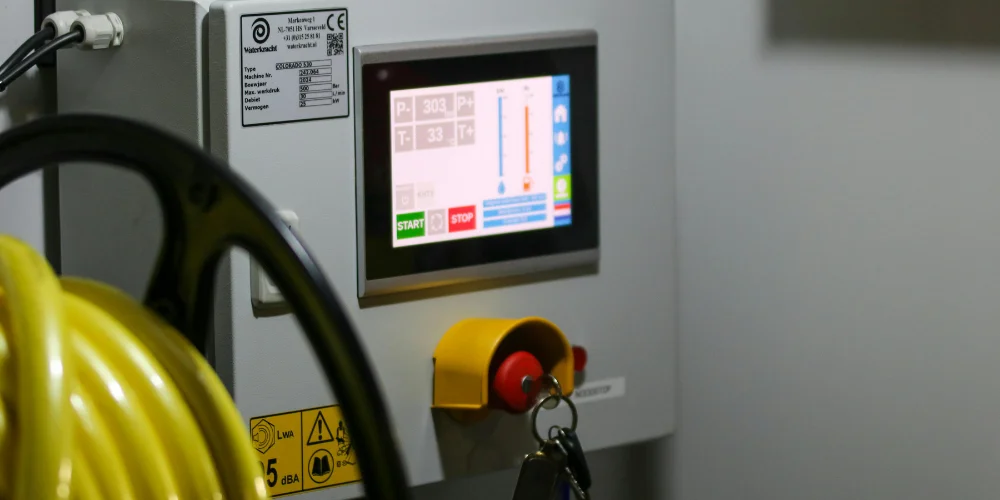
Modern LT panels are equipped with digital meters and monitoring devices that measure important electrical parameters such as:
- Voltage
- Current
- Frequency
- Power factor
- Energy consumption
Real-time monitoring helps operators identify abnormal conditions before they become serious problems.
For example, if voltage begins to fluctuate beyond acceptable limits, corrective actions can be taken immediately to prevent equipment failure.
This proactive monitoring significantly improves system reliability.
Better Energy Efficiency
Energy efficiency has become a major priority for industries seeking to reduce operating costs.
LT panels contribute to energy savings by ensuring proper load distribution and reducing unnecessary power losses.
Advanced panels may include energy monitoring systems that identify inefficient equipment and excessive energy consumption.
By analyzing this information, facility managers can optimize operations and improve overall energy performance.
Efficient electrical distribution not only lowers electricity bills but also supports environmental sustainability by reducing energy waste.
Reliable Operation During Emergencies
Unexpected power failures can disrupt production, damage sensitive equipment, and affect critical services.
Many LT panels are integrated with Automatic Transfer Switches (ATS) that automatically switch between the main power supply and backup generators.
This automatic transition occurs within seconds, ensuring uninterrupted power for essential systems.
Hospitals, data centers, airports, and manufacturing facilities particularly benefit from this capability because even a brief interruption can have significant consequences.
Improved System Coordination
Large industrial facilities often have multiple electrical distribution points.
LT panels coordinate power flow between transformers, generators, motors, and distribution boards.
This coordination ensures that every electrical component operates within its design limits.
Proper coordination also simplifies troubleshooting because faults can be isolated quickly without affecting unrelated circuits.
As a result, maintenance becomes faster and operational downtime is reduced.
Compliance with Safety Standards
Electrical safety is governed by strict national and international standards.
High-quality LT panels are manufactured according to standards such as IEC and IS specifications. Compliance ensures that panels meet rigorous safety, performance, and reliability requirements.
A reliable LT Panel Manufacturer in India follows these standards during design, manufacturing, testing, and quality inspection.
This guarantees that the panel can withstand demanding industrial conditions while maintaining long-term operational safety.
Durable Construction for Long-Term Reliability
Industrial environments often expose electrical equipment to dust, moisture, vibration, and high temperatures.
LT panels are built using robust materials that provide mechanical strength and environmental protection.
High-quality enclosures protect internal components from contaminants while ensuring proper ventilation for heat dissipation.
The durability of these panels allows them to perform consistently for many years with minimal maintenance.
Corrosion-resistant finishes further increase service life, especially in harsh industrial environments.
Integration with Automation Systems
Modern industries increasingly rely on automation for improved productivity and operational control.
Advanced LT panels can be integrated with PLCs, SCADA systems, and Building Management Systems (BMS).
This integration enables remote monitoring, automated fault detection, and centralized control of electrical distribution.
Operators can monitor electrical parameters, receive alarms, and control switching operations from a central control room.
Automation improves response time, reduces manual intervention, and enhances overall system reliability.
Scalability for Future Expansion
Business growth often requires additional machinery and increased electrical capacity.
Well-designed LT panels offer modular configurations that allow future expansion without replacing the entire system.
Additional feeders, breakers, and monitoring devices can be incorporated as operational requirements evolve.
This flexibility helps organizations save both time and investment while supporting long-term growth.
Reduced Downtime
Downtime is one of the biggest concerns for industrial facilities.
A properly designed LT panel minimizes downtime by quickly detecting faults, isolating affected circuits, and maintaining uninterrupted power to healthy sections of the system.
Advanced diagnostic features also simplify troubleshooting, allowing maintenance teams to identify and resolve issues more efficiently.
Reduced downtime directly contributes to higher productivity and lower operational costs.
Importance of Choosing the Right Manufacturer
The performance of an LT panel depends greatly on its design quality, manufacturing standards, and component selection.
Working with an experienced LT Panel Manufacturer in India ensures that the panel is designed according to your specific application requirements.
A reliable manufacturer conducts extensive testing before delivery, including insulation testing, routine electrical testing, and quality inspections.
Professional manufacturers also provide technical support, installation guidance, and after-sales service, ensuring long-term reliability and customer satisfaction.
Choosing quality over low-cost alternatives often results in lower maintenance expenses, improved safety, and a longer equipment lifespan.
Conclusion
LT panels are the backbone of reliable electrical power distribution in industrial, commercial, and infrastructure projects. They ensure safe and efficient distribution of electricity while protecting equipment from electrical faults, improving energy efficiency, and minimizing operational downtime.
Their ability to manage loads, monitor system performance, support automation, and provide reliable backup integration makes them indispensable in modern electrical networks. As businesses continue to expand and adopt advanced technologies, the importance of dependable LT panels will only continue to grow.
Investing in a high-quality LT panel from a trusted manufacturer ensures long-term performance, operational safety, and uninterrupted power distribution. With the right design, proper installation, and regular maintenance, LT panels provide a reliable foundation for efficient electrical systems across every industry.