Sign up with Google
 Sign in with Zoho

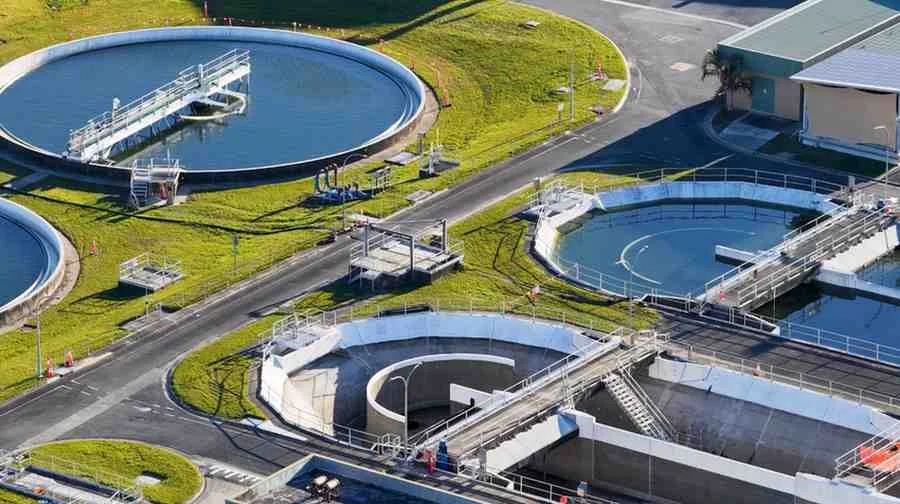
The wastewater generated from wastewater treatment in Malaysia is complicated and a mix of chemicals, solids, oils and biological contamination. If these contaminants are not adequately treated, they will result in fines being issued to the operator under the Department of Environment (DOE) limit values, operation shutdown and environmental damage in the long-term for operators in Malaysia. Let's go over 7 of the most common issues and solutions to them.
What Are the Most Common Industrial Wastewater Problems?
High COD and BOD levels, excess suspended solids, oil and grease contamination, chemical toxicity, foul odour, heavy metal discharge and poor sludge management are the most common industrial wastewater issues. The reasons for each of the problems listed are specific to the industry and the process used, and each case should be handled individually – as a “one size fits one” situation.
1. High COD Levels: When Organic Load Exceeds Treatment Capacity
High Chemical Oxygen Demand (COD) is one of the most frequently cited violations in Malaysian industrial effluent reports. It indicates that water contains too many oxidisable compounds — often from food processing, palm oil mills, or chemical manufacturing.
When COD is left untreated, it depletes oxygen in receiving waterways and kills aquatic life. Malaysia's Environmental Quality (Industrial Effluent) Regulations 2009 set strict COD discharge limits, and exceeding them triggers enforcement action.
Solutions that work:
- Advanced oxidation processes (AOP) using ozone or Fenton's reagent to break down resistant organics
- Biological treatment using activated sludge systems for high-volume organic loads
- Coagulation and flocculation as a pre-treatment stage to reduce incoming load
2. High BOD: A Sign Your Biological Treatment Is Underperforming
High Biochemical Oxygen Demand (BOD) often appears alongside high COD, but the causes differ. BOD measures biodegradable organic matter. If your biological treatment stage is struggling — due to toxic shock, insufficient aeration, or poor sludge retention — BOD climbs fast.
For food and beverage factories and rubber processing plants, this is a persistent challenge, especially during production surges.
Practical fixes:
- Optimise aeration rates and dissolved oxygen (DO) levels in biological reactors
- Introduce sequencing batch reactors (SBR) for more flexible load handling
- Conduct regular Mixed Liquor Suspended Solids (MLSS) monitoring to keep biology healthy
3. Suspended Solids: Cloudy Effluent That Clogs and Contaminates
Total Suspended Solids (TSS) cause effluent to appear turbid and carry fine particulate matter that escapes basic screening. In textile, ceramic, and construction-related industries, TSS levels can spike dramatically during peak production.
High TSS blocks drainage infrastructure, affects downstream treatment efficiency, and contributes directly to non-compliance during DOE inspections.
Effective removal methods:
- Lamella clarifiers or tube settlers for high-throughput solid separation
- Dissolved Air Flotation (DAF) systems to lift fine particles to the surface for skimming
- Multimedia filtration as a polishing step before final discharge
4. Oil and Grease Contamination: A Persistent Problem in Manufacturing Facilities
Oil and grease from machining, metalworking, palm oil processing, and food production is notoriously difficult to remove. It forms surface films that inhibit oxygen transfer, interferes with biological treatment, and causes blockages throughout the treatment system.
Even at low concentrations, free oils can coat biological media and reduce the effectiveness of downstream treatment stages.
Targeted solutions:
- API separators or corrugated plate interceptors (CPI) for primary separation
- DAF units with chemical dosing to capture emulsified oils
- Ultrafiltration membranes for final polishing in high-specification discharge scenarios
5. Chemical Contamination and Toxicity: Protecting Your Biological Treatment
Chemicals including heavy metals, solvents, and surfactants can enter wastewater streams from electroplating, semiconductor manufacturing, and cleaning processes. At toxic concentrations, these compounds kill the microorganisms that power biological treatment — essentially destroying the heart of your treatment plant.
Wastewater management in facilities handling hazardous chemicals requires an additional layer of pre-treatment before the biological stage.
Recommended approach:
- Chemical precipitation to remove heavy metals (zinc, copper, nickel) as insoluble hydroxides
- Activated carbon adsorption for solvent and residual organic removal
- pH adjustment and equalisation tanks to buffer toxic spikes before they reach biological reactors
6. Foul Odour: More Than Just a Nuisance
Odour complaints from neighbouring communities have led to real regulatory consequences for Malaysian factories. Hydrogen sulphide (H₂S) and ammonia are the primary culprits — produced when wastewater sits in anaerobic conditions or when nitrogen-rich effluent is undertreated.
Odour is often the first visible sign of a failing treatment process, not a separate problem to mask.
Control strategies:
- Cover anaerobic tanks and install biofilter or chemical scrubber systems for odour capture
- Maintain adequate dissolved oxygen throughout the treatment train to prevent anaerobic pockets
- Dose with iron salts to precipitate sulphides before they volatilise
7. Sludge Management: The Problem That Multiplies When Ignored
Every treatment process generates sludge — and poor sludge treatment creates a secondary waste problem that is often more expensive than the original. Wet sludge is difficult to transport, costly to dispose of, and may be classified as scheduled waste under Malaysia's Environmental Quality Act 1974.
Factories that lack proper sludge handling infrastructure routinely face accumulation issues, system overloading, and disposal compliance failures.
Sludge treatment options by volume and type:
Investing in proper sludge dewatering equipment reduces disposal costs significantly over time and keeps your plant operating within legal limits.
Building a Wastewater Management System That Holds Up Under Scrutiny
Addressing each of these seven problems in isolation is rarely effective. Industrial wastewater treatment works best as an integrated system — where pre-treatment, biological treatment, polishing, and sludge handling are designed to work together based on your specific effluent characteristics.
Before investing in any equipment, conduct a proper effluent characterisation study. Knowing your actual COD, BOD, TSS, oil content, heavy metal profile, and flow rate gives you the data to engineer the right solution — not just install the most common one.
If your facility is in Malaysia and you are dealing with one or more of the problems described above, the team at Techkemwater provides engineered wastewater treatment systems tailored to local regulatory requirements and industry-specific effluent profiles. Getting the system right from the start is far less costly than repeated retrofitting to chase compliance.
FAQ: Industrial Wastewater Treatment in Malaysia
Q: What are the DOE discharge limits for industrial wastewater in Malaysia?
Standard A and Standard B discharge limits are in compliance with the Environmental Quality (Industrial Effluent) Regulations 2009 of Malaysia. Standard A is for the effluent emitted upstream of water intakes. Key parameters include COD (Standard B: 200 mg/L), BOD (50 mg/L), and TSS (100 mg/L). Depending on the discharge site, facilities must adhere to the applicable standard.
Q: How do I reduce high COD in my factory's wastewater?
A: The best way to deal with high COD are the combination of biological treatment (activated sludge or moving bed biofilm reactors) and chemical pre-treatment (coagulation-flocculation). Advanced oxidation processes (AOP) with ozone or Fenton's reagent are suitable for treating more persistent organic compounds. Ultimately, the right approach will vary based on effluent composition and COD concentration.
Q: What is the best way to handle sludge from an industrial wastewater treatment plant?
The sludge is first thickened, then digested for stabilisation, and finally dewatered using filter presses or centrifuges. Chemical sludge with heavy metal content is regarded as scheduled waste in Malaysia and disposal should be done by licensed contractor in accordance with the Environmental Quality Act 1974.
Q: Why does my wastewater treatment plant produce foul odour?
Anaerobic conditions (low DO) typically cause foul odours, produced by hydrogen sulphide gas from sulphate-reducing bacteria. This occurs when the tanks are not aerated or when hydraulic loading occurs. The most effective first steps in odour control at source include fix aeration, cover tanks and add iron salts.
Q: Can one wastewater treatment system handle multiple contaminants?
A: Yes, but it needs to be a multi-stage design integrated. Generally, a well-designed system consists of a combination of physical, chemical, biological, and tertiary polishing processes. Each stage addresses specific contaminants. If the effluent stream is both high in organic content and in chemical and/or heavy metal content, then a single-unit system is usually not enough.
Q: How often should industrial wastewater treatment systems be serviced in Malaysia?
A: Daily testing and operation, monthly equipment checks, and quarterly testing and performance audits with DOE discharge parameters should be included in routine servicing. Biological systems must be constantly monitored for dissolved oxygen and sludge health. Breakdowns can cause compliance failures, leading to stop-work orders or prosecution under Malaysian environmental law, and scheduled maintenance will help you avoid them.