Sign up with Google
 Sign in with Zoho

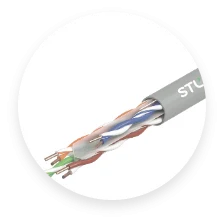
In many cases, the root cause is not the active equipment but something far more fundamental: how the cabling was installed. Even a high-quality cat6 cable can underperform if handled incorrectly during installation.
Understanding common installation mistakes is essential for anyone working with structured cabling systems or deploying a category cable infrastructure at scale. Cat6 is designed to support higher bandwidths and reduced crosstalk compared to earlier standards, but it is also more sensitive to physical handling than most assume.
Overlooking bending radius and cable stress
One of the most frequent errors during cat cable installation is excessive bending or pulling force. Cat6 cables are built with tightly twisted pairs to maintain signal integrity. When installers bend the cable too sharply or pull it aggressively through conduits, those internal twists can deform. This leads to return loss and signal degradation that is difficult to diagnose later.
A simple rule often ignored in practice: never bend a cat6 cable beyond its recommended radius. Tight cable ties or stapling the cable directly to surfaces can also introduce long-term performance issues.
Excessive untwisting at termination points
Another subtle but critical mistake happens at the termination stage. When connecting a cat6 cable to keystone jacks or RJ45 connectors, installers sometimes untwist the pairs too far. While it may seem necessary to make connections easier, this directly impacts performance.
The twists in a category cable are engineered to cancel electromagnetic interference. Even a small increase in untwisted length at the termination can increase crosstalk, reducing the cable’s ability to support high-speed transmission reliably.
Improper cable selection and mixing categories
Not all category cable types are interchangeable. Mixing Cat5e and Cat6 within the same run or using the wrong grade for high-bandwidth applications is a common oversight. While systems may appear to function initially, performance becomes inconsistent under load.
Using a certified cat cable designed for the required bandwidth ensures stability, especially in environments such as enterprise offices, data centres, or surveillance networks. Structured cabling planning should always define cable categories clearly before deployment begins.
Poor routing near electrical interference sources
Electromagnetic interference (EMI) is another factor often underestimated. Running a cat6 cable parallel to power lines, transformers, or heavy machinery can introduce noise into the signal. While Cat6 offers improved resistance to crosstalk compared to earlier standards, it is not immune to strong external interference.
Maintaining proper separation between data cables and electrical wiring is a basic yet frequently violated installation guideline. In high-density environments, using proper cable trays and segregated pathways is essential.
Ignoring length limitations and signal degradation
Every cat cable standard has defined performance limits, and Cat6 is no exception. The maximum recommended channel length is typically 100 metres, including patch cords. Exceeding this length leads to attenuation and packet loss, even if the cable appears to function initially.
Designing a structured layout that accounts for distance early on prevents costly rework later. This is particularly important in large office floors or multi-building setups where the temptation to stretch runs beyond limits is high.
Poor termination quality and lack of testing
Even if the installation is physically correct, poor termination can compromise the entire network. Loose connectors, incorrect pinouts, or substandard keystone jacks can all reduce the effectiveness of a category cable system.
Equally important is post-installation testing. Many issues only surface under load, and without proper certification tools, faults remain hidden until users experience disruptions.
Skipping structured design and quality assurance
A well-planned cabling system is as important as the cable itself. Structured design ensures scalability, easier troubleshooting, and consistent performance. Organisations such as STL, known for their expertise in optical and structured cabling solutions, emphasise disciplined installation practices that align with international standards, helping reduce these common pitfalls in real-world deployments.
Installing a Cat6 Cable system is not just about connecting endpoints; it is about preserving signal integrity from one end to the other. Small installation mistakes, whether in handling, routing, or termination, can significantly reduce performance.
A careful, standards-based approach ensures that your category cable infrastructure delivers the speed and reliability it was designed for, without hidden inefficiencies slowing it down over time.





.webp)