Sign up with Google
 Sign in with Zoho
.webp)

Managing sundowning can feel like watching the day unravel in slow motion. A loved one who seemed calm at lunch may become restless, suspicious, or tearful as the light fades. In Demarest, families often face these evening shifts while trying to keep routines steady, meals on track, and safety protected at home. Professional caregivers can also teach family members simple wording and de-escalation habits, so everyone responds the same way when tension rises at night.
With professional home care, sundowning doesn’t have to control the household; it can be met with structure, reassurance, and a consistent evening rhythm that helps the mind and body settle.
What Sundowning Looks Like and Why Evenings Are Hard
Sundowning is a pattern of late-day confusion or agitation that can occur with dementia and other cognitive changes. Symptoms may include pacing, repetitive questions, irritability, hallucinations, refusing hygiene, or trying to “go home” even when already there.
Evenings can be difficult because fatigue builds, shadows change what the brain perceives, and the household gets noisier with dinner, TV, and transitions. Caregivers watch for early cues like fidgeting, clenched hands, searching behavior, so support can begin before distress escalates.
Start With a Calmer Day to Protect the Evening
Evening success often begins earlier. Professional caregivers help families keep daytime patterns predictable: regular meals, hydration, gentle movement, and rest periods that don’t turn into long naps.
Too much daytime sleeping can push wakefulness into the night, while overstimulation can trigger late-day irritability. A steady plan also supports families seeking affordable home care in Bergen County because prevention reduces emergency calls, nighttime chaos, and burnout.
Build a “Same Order, Same Signals” Evening Routine
Sundowning responds well to repetition. Caregivers create an evening routine that happens in the same order, using the same cues: dimming lights, a warm drink, familiar music, a simple snack, then hygiene and bedtime.
Predictability lowers anxiety because the brain does not have to guess what comes next. In Demarest homes, caregivers may use visual prompts, a short checklist, or a calm script (“Now we wash up, then pajamas, then we rest”). The goal is not to rush; slower pacing reduces resistance.
Reassurance That Works Without Arguing
When sundowning brings accusations or fear, arguing rarely helps. Trained caregivers use validation and redirection: acknowledge the emotion, offer comfort, then guide attention toward something soothing. If a client insists they must leave, a caregiver might say, “You’re looking for something familiar; you’re safe here,” then invite a short walk to the kitchen for tea.
Reassurance also means a steady tone, relaxed body language, and fewer complex questions. These techniques are often part of dementia and memory care at home in River Edge, and they translate well to Demarest households where evenings can be unpredictable.
Light, Sound, and Space: Adjust the Environment
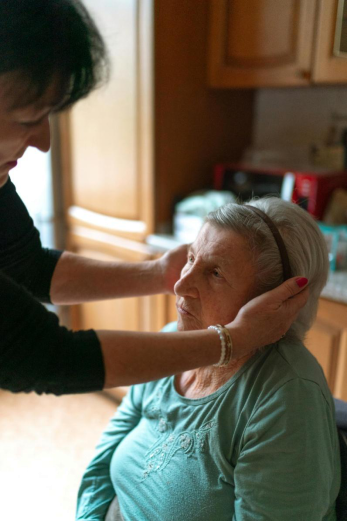
Small environmental changes can make a major difference. Caregivers manage lighting to reduce shadows and glare, keep pathways clear, and limit background noise that may feel threatening. They may close curtains before it gets dark, switch on warm lamps, and avoid bright overhead lights that can increase agitation.
If TV is a trigger, they may replace it with quiet music. A “comfort corner” with a soft blanket, a favorite photo, and a familiar scent can become a reliable landing spot when restlessness starts.
Prevent Triggers: Hunger, Pain, and Bathroom Urgency
Sundowning often worsens when the body is uncomfortable. Professional caregivers watch for needs that can’t always be expressed clearly: hunger, dehydration, constipation, urinary urgency, or pain from arthritis. A planned snack, fluids, and a bathroom visit before bedtime can reduce nighttime wandering.
Caregivers also track what happens before symptoms spike — certain foods, late caffeine, loud visitors — so families can adjust. This monitoring is a key reason many families value senior care services in Bergen County with consistent observation.
Safety-Focused Support in Demarest Homes
As restlessness rises, safety becomes urgent. Caregivers reduce fall risks by keeping floors clear, ensuring proper footwear, and guiding pacing into safe routes. They may add nightlights and keep essentials in consistent places to prevent frantic searching. When a client resists bathing or changing clothes, caregivers use step-by-step prompting and privacy-respecting methods that feel less invasive.
For families seeking Demarest senior care assistance at home, this blend of calm support and practical safety strategies can transform evenings.
Coordinating With Family and Community Routines
Demarest families often juggle school schedules, commuting, and evening household activity. Professional caregivers help align the home environment with the client’s needs by simplifying transitions and setting boundaries around busy times.
They may suggest earlier dinners, calmer visitor patterns, or a short “wind-down window” before bedtime. These adjustments can also help relatives coordinating care across towns, including those arranging senior care in Demarest, because consistent routines across helpers reduce mixed signals.
When to Revisit the Plan
Sundowning patterns can change. Caregivers document what works, what doesn’t, and when symptoms intensify. If agitation increases, the routine may need more structure, earlier wind-down, or different calming activities.
Families should share new concerns promptly, especially around sleep disruption, unsafe wandering, or sudden behavior changes. A responsive plan keeps dignity at the center while protecting everyone’s well-being.
Bringing Calm, Safety, and Reassurance to Every Evening
Sundowning can be exhausting, but support can make evenings feel steadier. Live Easy Home Care is a licensed home care agency in Bergen County delivering dependable senior care services for families across Northern New Jersey.
Their teams are trained for dementia and Alzheimer’s home care and structured memory care for seniors, using calming routines, reassurance, and safety-focused support. They also provide respectful personal care assistance that protects privacy and comfort.