Sign up with Google
 Sign in with Zoho
.webp)
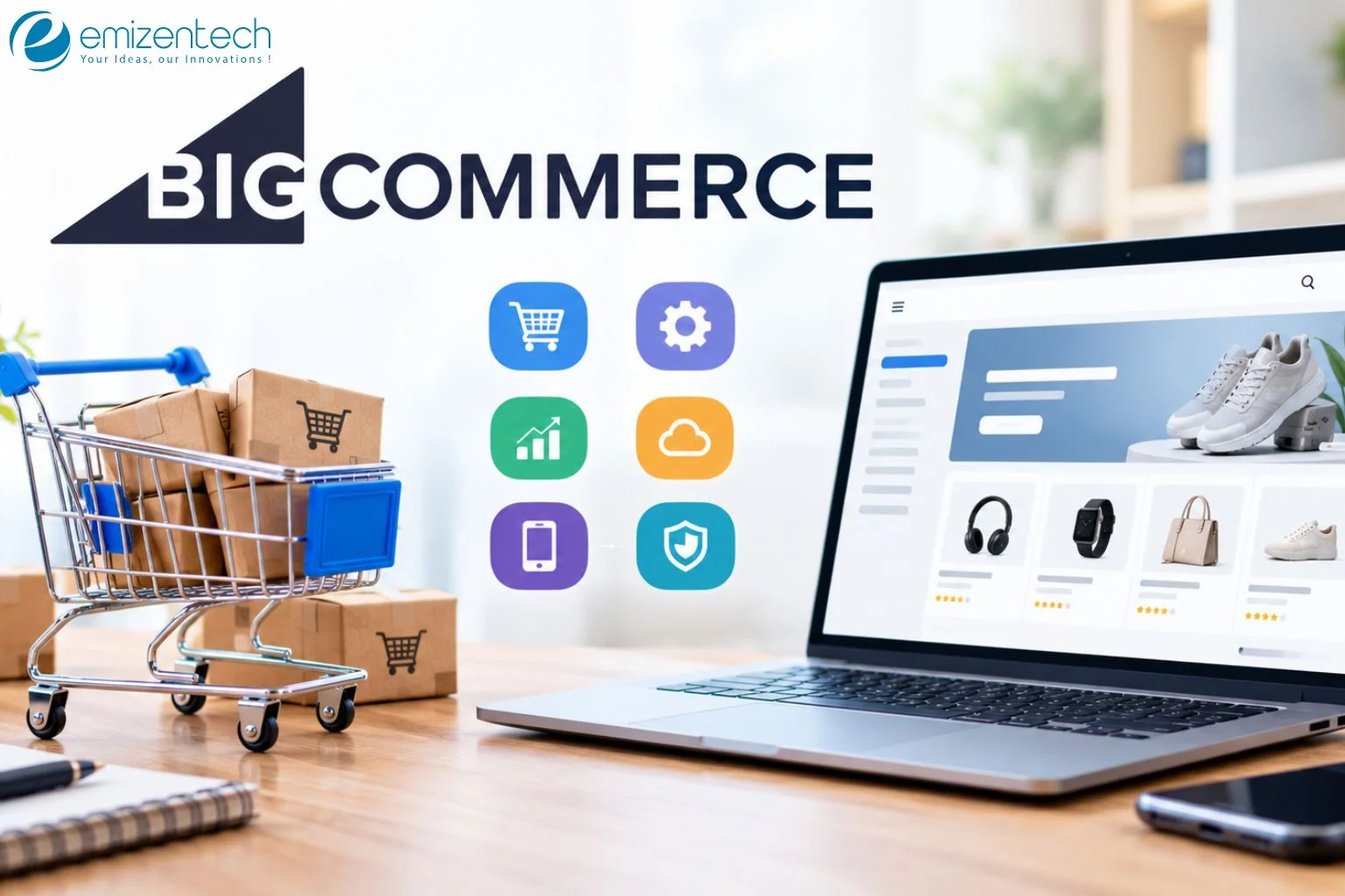
Launching an online store is easy. Building one that loads fast, converts visitors and scales with your catalog is much harder. BigCommerce is a powerful SaaS platform, but its real value shows when experienced developers shape it around your business. If you are planning to invest in BigCommerce development, knowing what a professional team should deliver will save you time, budget and frustration. Here is a clear look at the services you should expect.
Strategy and Discovery
A good partner never starts with code. They start with questions about your products, customers, sales channels, budget and growth goals. They review your current store if you have one, study your competitors, and build a feature roadmap with priorities, a timeline and a cost estimate. This stage prevents scope creep and keeps both sides aligned from day one.
Custom Theme Design and Development
Your storefront is your digital shop window. Off-the-shelf themes work for small stores, but growing brands need a design that reflects their identity. Expect a custom theme built on Stencil, the BigCommerce theme framework, with mobile-first layouts, clean navigation, smart product filters and fast page speed. A skilled team also customizes your product pages, category pages and checkout experience to reduce drop-offs and make buying feel effortless.
Headless Commerce Solutions
If you want complete freedom over the front end, headless commerce is worth considering. BigCommerce handles products, orders and payments in the back end, while a custom front end built with React or Next.js delivers a very fast experience. Your developers should explain honestly whether headless suits you. It offers flexibility and speed, but it also costs more and needs more maintenance. A trustworthy partner recommends it only when it truly fits your goals.
Migration From Other Platforms
Moving from Shopify, Magento, WooCommerce or another platform can feel risky. A professional team should manage the entire move, including products, categories, customer data, order history and reviews. They should also set up SEO-friendly 301 redirects, preserve your URL structure and test everything before go-live. The goal is zero data loss and no drop in search rankings.
Third-Party Integrations
Your store does not work in isolation. It needs to connect with the tools that run your business, such as ERP and inventory systems, CRM platforms, email marketing tools, payment gateways, shipping providers and accounting software. Your developers should use BigCommerce APIs and webhooks to keep data syncing smoothly and automatically, so your team spends less time on manual updates and more time on growth.
Custom Apps and Feature Development
Sometimes the features you need simply do not exist in the app marketplace. A capable team can build custom functionality like product configurators, bundles, advanced pricing rules, loyalty programs, subscription billing or unique checkout flows. They should also audit your existing apps and remove or replace anything that slows your store down.
B2B and Multi-Storefront Setup
B2B selling comes with its own demands. BigCommerce supports quote management, bulk ordering, company accounts and custom catalogs, and your developers should configure and extend these so wholesale buyers get a smooth, self-service experience. If you sell across regions or brands, they should also set up multiple storefronts, currencies, languages and tax settings, all managed from a single back end.
SEO and Performance Optimization
Technical SEO should be built into the project, not added as an afterthought. Look for clean URL structures, schema markup, XML sitemaps, canonical tags, optimized images and reduced script bloat. Regular speed audits help your store keep improving over time. A fast, search-friendly store attracts more organic traffic and converts it better.
Conversion Rate Optimization
Traffic means little if visitors do not buy. Good developers work with data. They study heatmaps, funnel reports and user behavior, then improve checkout steps, product page layouts, trust signals and calls to action. Small changes, tested properly, often lead to noticeable revenue gains.
Security, Compliance and Testing
Customers trust you with personal and payment data, so your partner should help you follow PCI compliance guidelines, set up SSL, manage user permissions and keep custom code secure. If you serve European customers, GDPR readiness matters too. Before launch, every feature should be tested across browsers and devices, including checkout, payments, shipping rules, tax calculations and integrations. A staging environment and a launch checklist are signs of a mature team.
Ongoing Support and Maintenance
Your store does not stop needing attention after launch. Reliable partners offer quick bug fixes, platform and app updates, performance monitoring and monthly improvements, all backed by clear service-level agreements.
Why Choose a BigCommerce Development Company for Long-Term Growth?
Because a store is never truly finished. Customer expectations, technology and competition keep changing. A dedicated partner who understands your business can keep improving your store, spot opportunities early and scale your setup as demand grows. That continuity is far more valuable than a one-time project with a freelancer who disappears after delivery.
How to Evaluate a Potential Partner?
Before signing a contract, check their portfolio for stores similar to yours, confirm they are an official BigCommerce partner, and see how clearly and quickly they communicate. Make sure pricing, timelines and deliverables are well defined, and ask for references from past clients who can vouch for their work.
Final Thoughts
The right partner does much more than design a pretty storefront. They plan strategy, build custom features, connect your systems, protect your data, optimize performance and support you long after launch. When you know what to expect, you can ask better questions, compare proposals fairly and choose a team that genuinely helps your business grow.
Frequently Asked Questions
1. How long does a BigCommerce store build usually take?
A standard store with a customized theme often takes between six and twelve weeks. Complex projects with headless architecture, many integrations or large migrations can take several months. Your partner should share a clear timeline after the discovery stage.
2. How much does BigCommerce development cost?
Costs vary widely based on design needs, integrations, custom features and catalog size. A simple theme setup costs far less than a fully custom or headless build. Always ask for a detailed estimate that lists deliverables, so you can compare proposals fairly.
3. Can I migrate my existing store without losing SEO rankings?
Yes, if the migration is planned properly. Your developers should map old URLs to new ones with 301 redirects, keep your metadata and content structure intact, and test thoroughly before launch. Monitoring rankings after go-live helps catch any issues early.
4. Do I need headless commerce for my business?
Not always. Headless is useful for brands that want highly custom experiences and top-tier speed, but standard Stencil themes are enough for most growing stores. A good partner will recommend the option that matches your budget and goals.
5. Will I get support after the store goes live?
Most reputable agencies offer ongoing support plans covering bug fixes, updates, monitoring and new features. Confirm response times and scope in writing before you sign.