Sign up with Google
 Sign in with Zoho

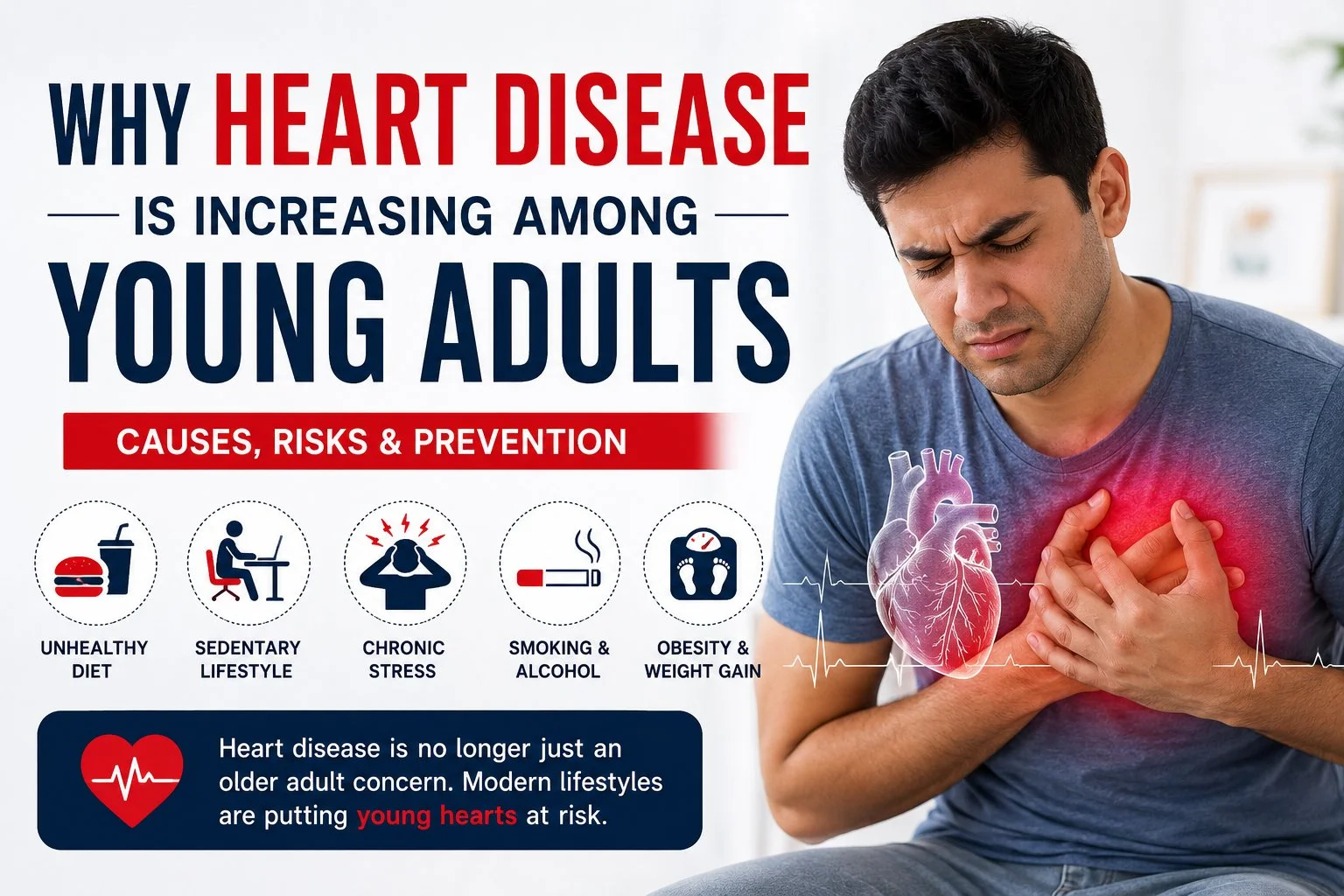
Heart disease has long been associated with older adults, but that perception is changing rapidly. In recent years, healthcare professionals have reported a noticeable rise in cardiovascular conditions among people in their 20s, 30s, and early 40s. While medical advances have improved diagnosis and treatment, modern lifestyles are introducing new challenges that are putting younger hearts at risk.
Many young adults assume they are too young to worry about heart disease. As a result, early symptoms are often ignored or mistaken for stress, fatigue, or minor health issues. Unfortunately, delaying medical attention can increase the risk of serious complications.
Understanding why heart disease is becoming more common among younger individuals is the first step toward prevention.
The Lifestyle Shift Behind the Rising Numbers
Today's fast-paced lifestyle has significantly changed the way people work, eat, and live. Long working hours, reduced physical activity, unhealthy eating habits, and chronic stress have become common, creating an environment where cardiovascular problems can develop much earlier than expected.
Sedentary jobs often require sitting for extended periods with little movement throughout the day. Combined with poor dietary choices and irregular sleep patterns, these habits gradually affect blood pressure, cholesterol levels, blood sugar, and overall heart function.
Unlike genetic factors, lifestyle-related risks are largely preventable, making awareness and early action especially important.
Major Risk Factors That Should Not Be Ignored
Several factors contribute to the increasing incidence of heart disease among young adults.
Unhealthy Eating Habits
Convenience foods, sugary beverages, processed snacks, and meals high in saturated fats have become a regular part of many diets. Over time, these eating patterns can lead to obesity, high cholesterol, and diabetes, all of which significantly increase cardiovascular risk.
Replacing highly processed foods with fresh fruits, vegetables, whole grains, lean proteins, and healthy fats can support better heart health and reduce long-term complications.
Physical Inactivity
Modern technology has made daily life more convenient, but it has also reduced physical movement. Many people spend most of their day sitting at a desk, driving, or using digital devices.
Regular physical activity strengthens the heart, improves circulation, helps maintain a healthy weight, and supports healthy blood pressure levels. Even moderate exercise such as brisk walking, cycling, or swimming can make a meaningful difference.
Chronic Stress
Stress has become a constant part of modern life. Tight work deadlines, financial concerns, and personal responsibilities can trigger prolonged stress responses in the body.
When stress remains unmanaged, it may contribute to increased blood pressure, unhealthy eating habits, poor sleep, and a higher likelihood of smoking or excessive alcohol consumption. Together, these factors place additional strain on the cardiovascular system.
Warning Signs Young Adults Should Never Ignore
Heart disease does not always begin with dramatic symptoms. In many cases, the warning signs are subtle and develop gradually.
Some symptoms that deserve medical evaluation include:
- Chest discomfort or pressure
- Shortness of breath during routine activities
- Unexplained fatigue
- Irregular heartbeat or palpitations
- Dizziness or fainting episodes
- Pain spreading to the arm, neck, jaw, or back
Ignoring these symptoms because of age can delay diagnosis and treatment. Seeking timely medical advice is always the safer approach, particularly for individuals with a family history of heart disease or existing health conditions such as diabetes or hypertension.
Smoking, Vaping, and Alcohol: Hidden Threats to Heart Health
Although awareness about the dangers of smoking has increased, tobacco use continues to be a major contributor to cardiovascular disease. Smoking damages blood vessels, reduces oxygen supply to the heart, raises blood pressure, and accelerates the buildup of fatty deposits in the arteries.
Vaping is often perceived as a safer alternative, but emerging research suggests that nicotine-containing e-cigarettes may also have harmful effects on the cardiovascular system. Similarly, excessive alcohol consumption can contribute to high blood pressure, irregular heart rhythms, and weakened heart muscles over time.
Making informed lifestyle choices and avoiding these habits can significantly lower the risk of developing heart disease at a younger age.
Family History Still Matters
While lifestyle plays a significant role, genetics should not be overlooked. Individuals with a family history of heart disease, high cholesterol, hypertension, or diabetes may have a greater risk of developing cardiovascular conditions earlier in life.
Knowing your family's medical history can help healthcare providers recommend appropriate screenings and preventive measures. Combined with healthy habits, regular monitoring can reduce the likelihood of unexpected cardiac events.
Prevention Is More Effective Than Treatment
The encouraging news is that many heart-related conditions can be prevented through consistent lifestyle improvements. Small, sustainable changes often have a lasting impact on cardiovascular health.
Some practical ways to support a healthy heart include:
- Eat a balanced diet rich in fruits, vegetables, whole grains, and lean protein.
- Engage in at least 150 minutes of moderate physical activity each week.
- Maintain a healthy body weight.
- Get adequate sleep every night.
- Manage stress through relaxation techniques, hobbies, or regular exercise.
- Avoid smoking and limit alcohol consumption.
- Monitor blood pressure, cholesterol, and blood sugar regularly.
These preventive measures not only reduce the risk of heart disease but also improve overall physical and mental well-being.
Why Regular Heart Check-ups Are Important
Many cardiovascular conditions develop silently without noticeable symptoms during the early stages. Routine health screenings can identify risk factors before they become serious health problems.
People with high blood pressure, diabetes, obesity, elevated cholesterol levels, or a family history of heart disease should consider periodic cardiac evaluations, even if they feel healthy. Early detection allows doctors to recommend lifestyle modifications or treatment before complications arise.
For individuals looking for expert evaluation, preventive screening, or advanced cardiac care, consulting a trusted cardiology hospital in Mumbai can help ensure timely diagnosis and personalized treatment.
Conclusion
Heart disease is no longer limited to older adults. Modern lifestyles, unhealthy eating habits, chronic stress, physical inactivity, and other risk factors have contributed to an increasing number of cardiovascular conditions among young adults.
The good news is that many of these risks are preventable. Paying attention to early warning signs, adopting healthier daily habits, and scheduling regular health check-ups can make a significant difference in protecting your heart.
Building heart-healthy habits today is an investment in your future. Regardless of age, taking proactive steps toward cardiovascular wellness can help reduce the risk of serious complications and support a longer, healthier life.