Sign up with Google
 Sign in with Zoho

.webp)
Insulation controls how heat moves between floors. When it is installed correctly, it slows heat loss in winter and blocks heat gain in summer. This keeps upstairs and downstairs rooms closer in temperature. Without proper Insulation, warm air rises, cool air sinks, and floors feel uneven all year.
Many homes struggle with hot upper floors and cold lower levels. The right spray foam Insulation services fix this by sealing gaps and adding thermal resistance in key areas. This article explains how it works, what materials help most, and what property owners should check before hiring Insulation experts. The guidance reflects real field experience from professionals who handle multi story buildings daily.
Why Temperature Differences Happen Between Floors
Temperature gaps across floors are common in both homes and commercial spaces. They often result from heat movement, air leaks, and poor design.
When warm air rises, it collects on upper floors. If lower levels lack proper Insulation, cold air stays trapped below. This creates a cycle of discomfort and higher energy bills.
Stack Effect in Multi Story Buildings
The stack effect pushes warm air upward through stairwells, wall cavities, and attic spaces. In winter, this makes top floors warmer. In summer, it traps heat above.
Buildings without sealed insulation barriers feel this shift more strongly. Energy studies show that air leakage can account for up to 30 percent of heating and cooling loss in typical homes.
Poor Floor and Ceiling Coverage
Many properties focus only on attic insulation. They ignore the floors between levels. This leads to uneven thermal control.

When ceilings between floors lack proper coverage, heat moves freely. Rooms above garages also suffer when floors are not insulated.
How Insulation Improves Floor to Floor Comfort
Effective Insulation works in three main ways. It slows heat flow. It seals air gaps. It reduces drafts between levels.
This keeps conditioned air where it belongs and limits sudden shifts in room temperature.
Thermal Resistance and R Value
R value measures how well a material resists heat flow. Higher R values mean better performance.
Below is a comparison of common insulation materials used between floors.
|
Insulation Type |
Average R Value per Inch |
Best Use Between Floors |
Air Sealing Ability |
|---|---|---|---|
|
Fiberglass Batts |
R 2.9 to R 3.8 |
Budget friendly floor cavities |
Low without air seal |
|
Spray Foam |
R 3.5 to R 6.5 |
Tight spaces and mixed climates |
High |
|
Cellulose |
R 3.2 to R 3.8 |
Dense packed cavities |
Moderate |
Spray foam often provides better air sealing. That is why many Insulation Company teams recommend it for properties with strong stack effect issues.
Air Sealing Between Levels
Air gaps around plumbing, wiring, and recessed lights allow heat transfer. Sealing these spots improves temperature balance.
Insulation Contractor crews often pair insulation with air sealing for better results. This step can cut energy waste by up to 20 percent in some buildings.
Climate Specific Considerations
Location matters. Different regions face different temperature swings.
Homes in Texas deal with long cooling seasons. Upper floors trap heat for months. In colder northern states, lower floors often stay cold through winter.
Hot Climate Zones
In warmer areas:
- Focus on attic and top floor ceiling insulation to block solar heat.
- Use spray foam in wall cavities to limit air leaks.
- Add floor insulation over garages to prevent heat buildup.
Cold Climate Zones
In colder regions:
- Insulate basement ceilings to stop cold air from rising.
- Seal rim joists and wall gaps carefully.
- Choose higher R values between floors.
According to energy market data, over 60 percent of U.S. homes remain under insulated. Multi story homes show the highest temperature imbalance complaints.
Things to Consider Before Making a Decision
Property owners should assess their building layout before hiring an Insulation Contractor.
Building Age and Structure
Older homes often lack modern air barriers. They may need both sealing and added insulation layers.
Newer homes may only require targeted upgrades.
Existing HVAC System
Even strong insulation cannot fix poorly sized HVAC systems. Uneven ductwork can worsen floor temperature gaps.
Professionals review airflow along with insulation levels to avoid wasted upgrades.
Budget and Long Term Savings
Upgrading insulation costs less than replacing heating or cooling systems. Energy studies show proper insulation can lower annual utility costs by 10 to 15 percent.
Installation Methods That Make a Difference
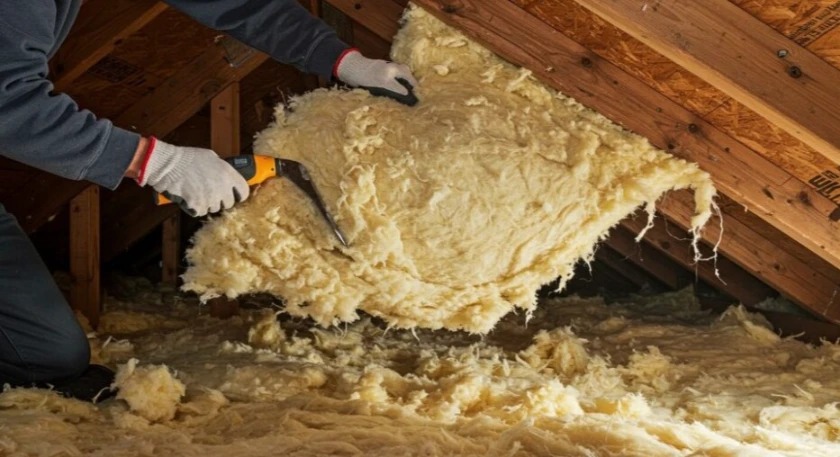
Correct installation matters as much as material choice. Gaps or compression reduce performance.
Proper Coverage Between Joists
Installers must fill cavities evenly. No voids. No sagging.
They also protect wiring and plumbing while maintaining coverage.
Bonus Tips
Seal Before You Insulate
Always seal air leaks first. Foam or caulk small gaps before adding batts or blown material.
Check Moisture Levels
Moisture reduces insulation performance. Contractors test and correct moisture issues before installation.
Field Experience Note
Experienced Insulation experts report that uneven temperatures often improve within days after sealing and insulating floor cavities.
Final Thoughts on Improving Floor Temperature Balance
Consistent temperatures across floors depend on proper Insulation, good air sealing, and correct installation. Materials with higher R values and strong sealing ability perform best in multi story properties.
Property owners should review their climate, building design, and existing systems before choosing upgrades. Targeted improvements often solve long standing comfort issues without major remodeling.

Contact a Trusted Insulation Professional
Property owners who notice uneven temperatures between floors may benefit from an on site evaluation. Spray Foam Tech offers guidance based on real field experience in multi level properties. They assess air leaks, floor cavities, and attic performance before recommending solutions.
For details about Insulation services, readers can contact Spray Foam Tech at (737) 777-9590 or email [email protected]. Their team provides clear advice and practical support for those seeking balanced indoor comfort.
Questions People Ask About Insulation and Floor Comfort
This section answers common concerns property owners raise when facing uneven temperatures.
Does attic insulation alone fix uneven floors?
No. Attic insulation helps, but floor cavities and wall gaps must also be sealed to balance temperatures fully.
How long does insulation last between floors?
Most materials last 20 years or more if kept dry and undisturbed.
Is spray foam better than fiberglass for floors?
Spray foam seals air better. Fiberglass costs less but needs separate air sealing for similar results.
Can insulation reduce noise between floors?
Yes. Dense materials like cellulose and spray foam also reduce sound transfer.
Will insulation lower energy bills right away?
Many buildings show lower heating and cooling use in the first billing cycle after proper upgrades.
Reviewer: Maria Lopez reviewed the article and brought 12 years of insulation industry experience to improve the guidance. Practical tips were added, and the content was made clearer and more useful for contractors working in the field every day.