Sign up with Google
 Sign in with Zoho
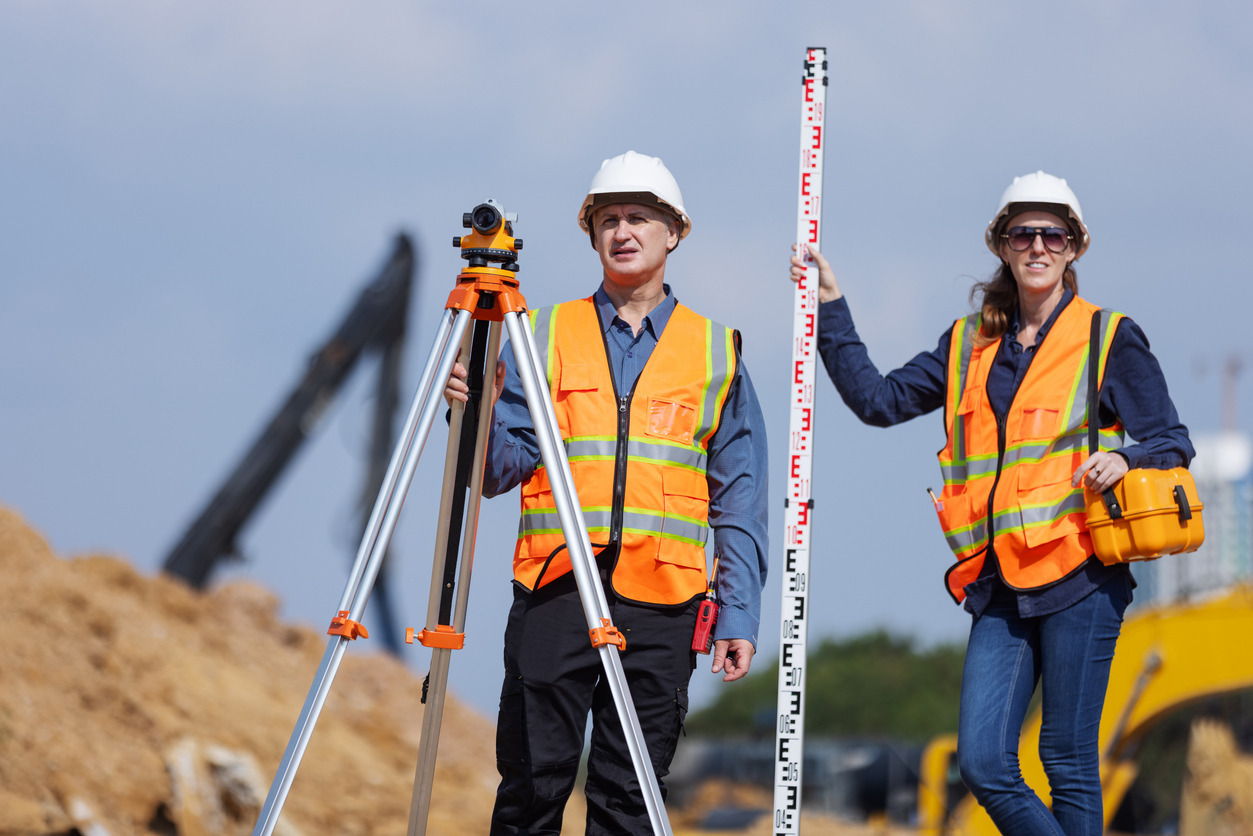
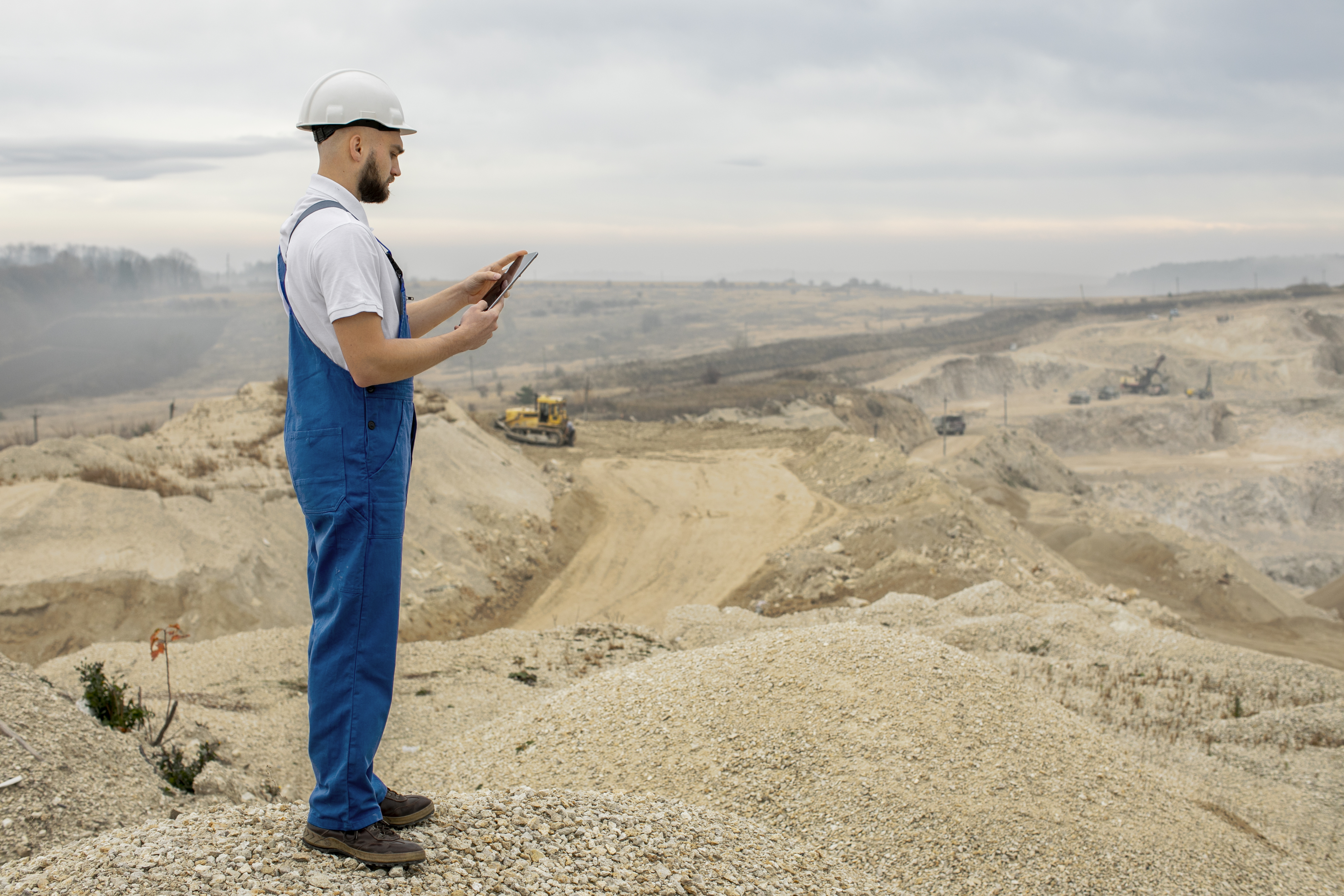
Property ownership comes with a simple expectation: you know exactly where your land begins and ends. Yet many property owners discover that's not always the case. Fences don't always sit on the legal boundary. Old survey markers can disappear over time. Even title documents may not answer every question when you're planning construction or dealing with a neighbour dispute.
That's where a title re establishment survey becomes valuable. It gives you a clear picture of your property's legal boundaries based on historical records, title information, and precise site measurements. Whether you're building a new fence, extending your home, subdividing land, or simply want certainty before starting a project, knowing your exact boundaries can help you avoid expensive mistakes later.
Many people assume they only need a survey when a dispute arises. In reality, the best time to confirm your boundaries is before problems appear.
Why Property Boundaries Aren't Always Obvious
At first glance, identifying a property boundary seems straightforward. You look at the fence, check the title, and assume everything lines up.
Unfortunately, it doesn't always work that way.
Properties change over time. Previous owners install fences. Landscaping gets added. Driveways are widened. Retaining walls appear. As years pass, the physical features on a property can drift away from the legal boundary shown on official records.
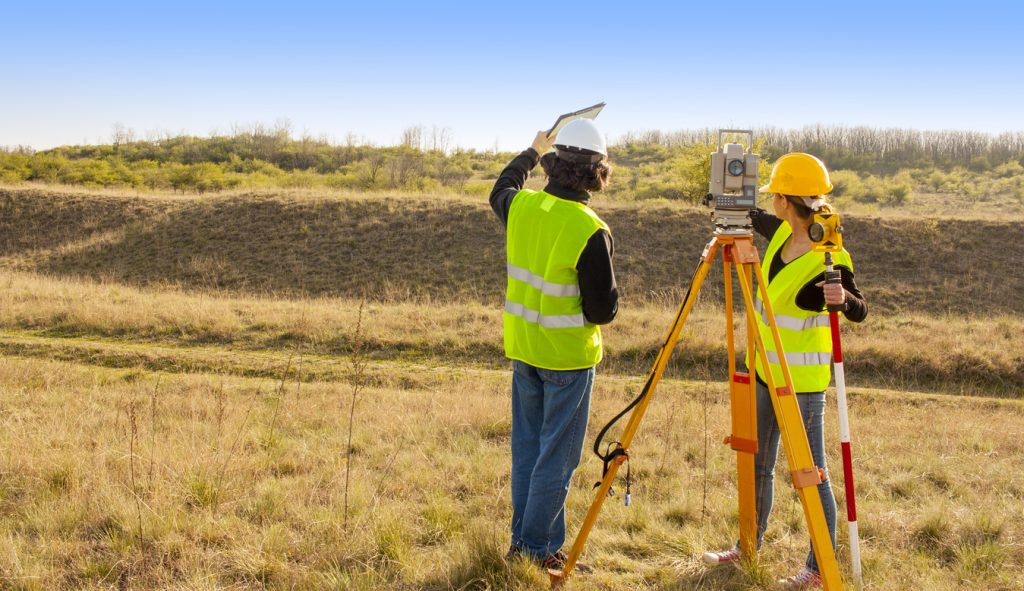
That's why surveyors don't simply rely on existing fences or visible structures. Instead, they investigate historical plans, title documents, survey records, and physical evidence on site to determine the true legal boundary.
For many homeowners, the results can be surprising.
Is a Survey Actually Required?
One of the most common questions property owners ask is whether a survey is legally required.
The answer depends on what you're planning to do.
In some situations, regulations, permit conditions, or development requirements may call for survey information. In other cases, obtaining a survey is a practical decision rather than a legal obligation.
For example, if you're replacing a fence in exactly the same location and there are no concerns about the boundary, you may not need a survey. However, if you're building close to a property line, installing a retaining wall, or developing land, confirming the boundary first can prevent costly issues later.
Think of it this way. A survey often costs far less than fixing a mistake after construction has started.
Building Near a Boundary? Don't Rely on Assumptions
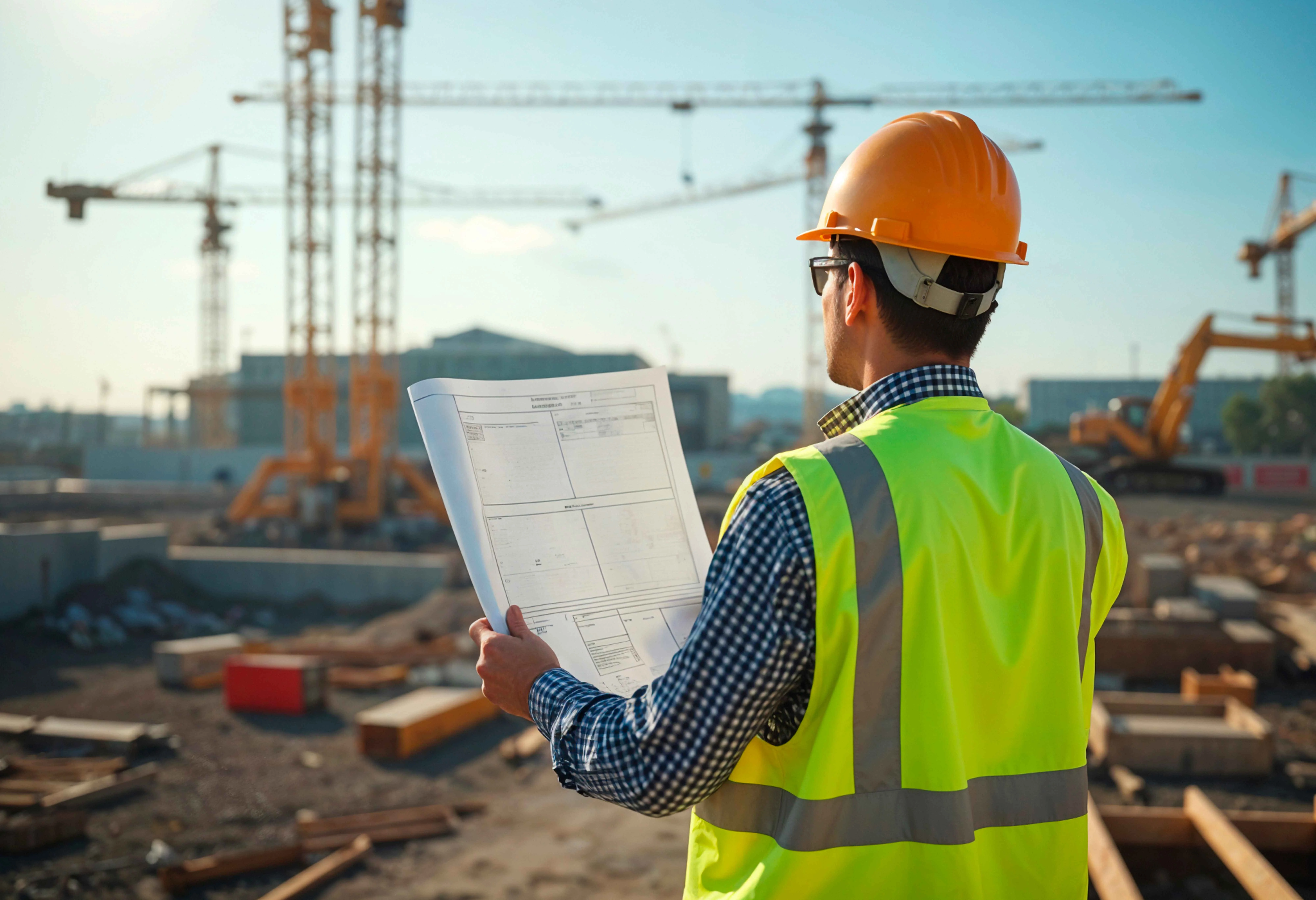
Construction projects and property boundaries have a close relationship. Even a small error can create major complications.
Imagine building a garage only to discover that part of the structure extends onto a neighbouring property. Or installing a new fence that unintentionally reduces your neighbour's land area.
Neither situation is pleasant.
Before construction begins, accurate boundary information helps everyone involved make informed decisions. Builders can position structures correctly. Designers can finalise plans with confidence. Property owners gain peace of mind knowing the project starts on solid ground.
The closer a project sits to a boundary, the more important accurate survey information becomes.
Getting Your Property Resurveyed: Is It Worth It?
Another question that frequently comes up is whether an older survey is still valid.
Technically, property boundaries don't move. The challenge lies in locating them accurately years later.
Survey pegs may no longer exist. Site conditions may have changed significantly. New structures could affect how boundaries are interpreted in the field. In some cases, previous survey information may not provide the level of certainty needed for modern construction projects.
Resurveying can be a smart move when:
- You can't identify existing boundary markers
- You plan to build near a property line
- You're purchasing a property with unclear boundaries
- A neighbour dispute has emerged
- You're preparing for subdivision or development
Many property owners view a resurvey as an unnecessary expense. Then they discover it helps them avoid a much larger expense later.
Do Existing Fences Show the True Boundary?
This is one of the biggest misconceptions in property ownership.
People often assume a fence automatically marks the legal property line. Sometimes that's true. Sometimes it isn't.
A fence may have been installed decades ago without professional measurements. Previous owners may have agreed on a convenient location. Contractors may have built replacement fencing without confirming the original boundary.
As a result, fences occasionally sit inside one property, cross the boundary, or leave unused land on one side.
That's why surveyors don't treat fences as proof of ownership. They use legal records and precise measurements to establish where the boundary actually sits.
If you're making decisions based solely on a fence location, it's worth confirming whether the fence and the legal boundary match.
Resolving Boundary Disputes Before They Escalate
Few property issues create more frustration than a boundary dispute.
What starts as a simple disagreement about a fence can quickly become stressful, expensive, and time-consuming.
Often, neither party has accurate information. Both neighbours believe they're correct. Without professional evidence, resolving the disagreement becomes difficult.
A survey provides an independent assessment based on legal records and site measurements. Instead of relying on assumptions, both parties can review objective information.
In many cases, clarity alone helps resolve the issue.
Even when disputes become more complex, having accurate boundary information provides a strong foundation for finding a solution.
Do You Need a Survey in a Newly Divided Subdivision?
A lot of buyers assume newly subdivided land doesn't require additional surveying.
After all, the subdivision was recently completed. Surely the boundaries are already obvious.
Not necessarily.
Subdivision plans provide important information, but site conditions can change during construction and infrastructure works. Boundary markers may become difficult to locate, especially after earthworks, landscaping, or utility installations.
If you're planning to build close to a boundary, install fencing, or begin development work, verifying the boundary position can still be worthwhile.
Many builders choose to confirm boundaries before construction starts because fixing errors later can be far more complicated.
Identifying Encroachments Early
An encroachment occurs when a structure crosses a legal property boundary.
Sometimes it's obvious. More often, it isn't.
Common examples include:
- Sheds
- Garages
- Fences
- Retaining walls
- Driveways
- Landscaping features
These issues can remain unnoticed for years. Then a property sale, renovation, or development project suddenly brings them to light.
Finding an encroachment early gives property owners more options. It allows time to assess the situation, understand potential implications, and address the issue before it becomes a larger problem.
The Value of Knowing Exactly Where You Stand
Accurate boundary information does more than place lines on a plan.
It gives property owners confidence.
You can build knowing your project sits in the correct location. You can install fencing without second-guessing boundary positions. You can move forward with development plans knowing key site information has been verified.
That certainty matters.
Property decisions often involve significant financial commitments. The last thing anyone wants is to discover a preventable boundary issue halfway through a project.
Know Your Boundaries Before You Build
A title re establishment survey helps remove uncertainty from property ownership. Whether you're planning construction, replacing a fence, purchasing land, resolving a dispute, or preparing a development project, accurate boundary information can protect your investment and help you avoid unnecessary complications. While every property is different, taking the time to confirm your boundaries before making major decisions is often one of the smartest steps a property owner can take