Sign up with Google
 Sign in with Zoho
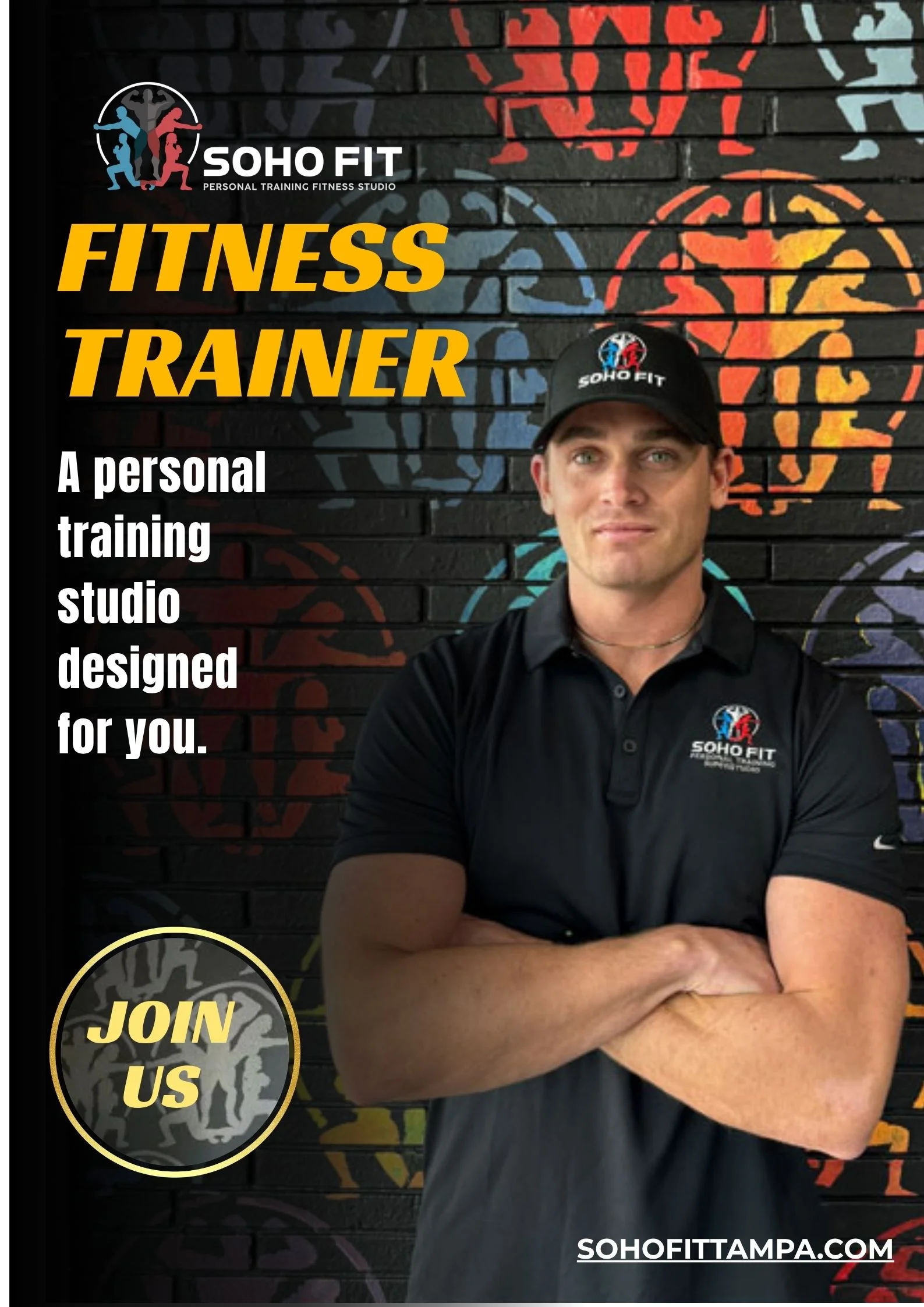
A Fitness Lifestyle Coach helps people connect exercise, nutrition, recovery, and everyday habits into a more sustainable approach to health. Rather than focusing only on workouts or short-term goals, lifestyle coaching considers how routines, motivation, sleep, stress, and daily choices influence long-term well-being.
For beginners, understanding the role of a fitness lifestyle coach can make it easier to create realistic goals and avoid common mistakes. The objective is not to follow a perfect routine but to develop habits that can realistically fit into work, family, social activities, and other responsibilities.
What Is a Fitness Lifestyle Coach?
A fitness lifestyle coach provides guidance around healthy behaviors and routines. Depending on their qualifications and scope of practice, they may help clients establish exercise habits, improve consistency, organize daily routines, and develop strategies for maintaining motivation.
A coach is different from a medical professional or registered dietitian. They generally should not diagnose medical conditions, prescribe treatment, or provide specialized medical nutrition therapy unless they hold the appropriate credentials.
Areas a Lifestyle Coach May Address
Common areas of focus include:
- Physical activity and exercise consistency
- Goal setting and progress tracking
- Sleep and recovery habits
- Stress-management strategies
- Time management
- Motivation and accountability
- Healthy eating habits within their professional scope
- Building routines that support long-term wellness
The exact services depend on the coach's education, certifications, and professional boundaries.
Why Lifestyle Coaching Goes Beyond Exercise
Starting an exercise program is relatively straightforward. Maintaining it for months or years can be more difficult.
People may stop exercising because of demanding work schedules, travel, family responsibilities, low motivation, unrealistic expectations, or a lack of planning. Lifestyle coaching focuses on these barriers rather than assuming that motivation alone will solve the problem.
For example, someone who wants to exercise five days a week may struggle because their schedule changes frequently. Instead of simply recommending more workouts, a coach might help them identify shorter workout opportunities, establish backup routines, or create a weekly schedule that is easier to maintain.
This approach emphasizes consistency over perfection.
Key Benefits of Fitness Lifestyle Coaching
1. More Realistic Goal Setting
A common mistake is setting goals that are too ambitious. A person who has not exercised regularly may decide to train intensely every day. When the routine becomes difficult to maintain, they may abandon it completely.
A coach can help break a broad goal into smaller, measurable steps. For example, the initial goal could be completing three 30-minute activity sessions each week.
2. Better Accountability
Accountability can make healthy habits easier to maintain. Regular check-ins encourage people to evaluate what worked, identify obstacles, and adjust their routines.
Accountability does not necessarily mean having someone monitor every workout. It can involve reviewing weekly goals, tracking habits, or discussing challenges and solutions.
3. Improved Habit Formation
Long-term fitness depends on behaviors that can be repeated. A lifestyle coach may help turn individual actions into routines.
For example:
- Preparing workout clothes the night before
- Scheduling exercise sessions on a calendar
- Taking short walking breaks during the workday
- Setting consistent sleep and wake times
- Planning meals before a busy week
Small environmental changes can reduce the amount of decision-making required.
4. A More Balanced Approach
Health is influenced by multiple factors. Training every day while consistently sleeping poorly or experiencing high levels of stress may not create a sustainable lifestyle.
A balanced approach considers exercise alongside recovery, nutrition, sleep, stress, and daily responsibilities.
Fitness Lifestyle Coach vs. Personal Trainer
Although the roles can overlap, they are not always identical.

The right professional depends on the individual's needs. Someone primarily seeking exercise technique may benefit from a personal trainer, while someone struggling with consistency and broader lifestyle habits may benefit from coaching.
How to Choose the Right Coaching Approach

Before working with a coach, consider what you actually need help with.
Identify Your Main Challenge
Ask yourself:
- Do I need help learning exercises?
- Do I struggle to stay consistent?
- Is my schedule preventing regular activity?
- Do I need accountability?
- Am I unsure how to set realistic goals?
- Do I need support developing healthier routines?
Clear answers can help determine whether lifestyle coaching, personal training, or another professional service is appropriate.
Check Qualifications
Look for relevant education and certifications. If nutrition, medical conditions, rehabilitation, or specialized exercise needs are involved, verify that the professional has the appropriate credentials.
A responsible coach should also understand when a client needs to be referred to a doctor, physical therapist, registered dietitian, or another qualified professional.
Actionable Tips for Building a Sustainable Fitness Lifestyle
Start Smaller Than You Think
Instead of completely changing your routine overnight, choose one or two behaviors to improve first.
For example, begin with three scheduled workouts per week and a consistent bedtime.
Use Specific Goals
"Get healthier" is difficult to measure. A goal such as "walk for 30 minutes after work on Monday, Wednesday, and Friday" provides a clear action.
Create Backup Plans
Unexpected events are normal. If you cannot complete a planned 60-minute workout, have a shorter alternative available.
A 15-minute walk or brief mobility session can help preserve the habit without treating the missed workout as a failure.
Track Behaviors, Not Just Results
Weight, strength, endurance, and other outcomes can change at different rates. Tracking behaviors such as workouts completed, sleep consistency, or daily activity can provide useful feedback.
Schedule Recovery
Rest is part of a sustainable fitness routine. Recovery can include adequate sleep, rest days, mobility work, and managing training intensity appropriately.
Review Progress Regularly
Set aside time every week to ask:
- What went well?
- What was difficult?
- What caused the difficulty?
- What can I change next week?
This simple review process can help make a routine more adaptable.
Common Mistakes to Avoid
One frequent mistake is expecting immediate results. Sustainable fitness usually develops through repeated behaviors rather than dramatic short-term changes.
Another mistake is copying someone else's routine. A workout or lifestyle plan that works for one person may not fit another person's schedule, experience, preferences, or physical needs.
It is also important not to treat missed sessions as complete failure. A sustainable approach allows for interruptions and focuses on returning to the routine.
People Also Ask
What does a fitness lifestyle coach do?
A fitness lifestyle coach helps individuals develop sustainable habits related to physical activity, routines, motivation, recovery, and general wellness within the coach's professional qualifications.
Is a fitness lifestyle coach the same as a personal trainer?
No. A personal trainer generally focuses more directly on exercise instruction and training, while a lifestyle coach may address broader habits, accountability, routines, and behavior change.
Who can benefit from lifestyle coaching?
Beginners, busy professionals, people struggling with consistency, and individuals seeking better daily routines may find lifestyle coaching useful. Specific needs may require other qualified professionals.
How often should you work with a lifestyle coach?
There is no universal schedule. Some people may benefit from weekly sessions initially, followed by less frequent check-ins as they become more independent.
How long does it take to build healthy habits?
There is no fixed timeline. Habit development varies according to the behavior, individual circumstances, environment, and consistency. Repetition and realistic expectations are generally more useful than focusing on a specific number of days.
Frequently Asked Questions
Can a lifestyle coach create an exercise program?
Some coaches may provide exercise guidance if they have appropriate training and credentials. For detailed exercise programming, technique instruction, or specialized physical needs, a qualified personal trainer or healthcare professional may be more appropriate.
Can a lifestyle coach provide a medical diet plan?
Generally, medical nutrition planning should be handled by an appropriately qualified healthcare or nutrition professional. A coach may provide general healthy-habit guidance when it falls within their professional scope.
What should I discuss during an initial coaching session?
Discuss your goals, current routine, challenges, schedule, previous experience, and expectations. This information helps determine whether the coaching approach is suitable for your needs.
Is lifestyle coaching only for people trying to lose weight?
No. Lifestyle coaching can support goals involving strength, activity levels, energy management, routine building, consistency, performance habits, and general wellness.
How can I make fitness part of a busy schedule?
Start by identifying realistic time windows. Short workouts, walking breaks, scheduled sessions, and flexible backup plans can make physical activity easier to maintain.
A Fitness Lifestyle Coach can help individuals look beyond individual workouts and consider the habits that influence long-term consistency. Effective lifestyle planning involves realistic goals, accountability, recovery, time management, and gradual behavior change.
The most sustainable approach is usually one that fits the person's actual life. Instead of pursuing perfection, focus on repeatable actions, learn from setbacks, and make adjustments as circumstances change.
Soho Fit Tampa
715 S Howard Ave UNIT 130, Tampa, FL 33606, United States
1+8135860760