Sign up with Google
 Sign in with Zoho

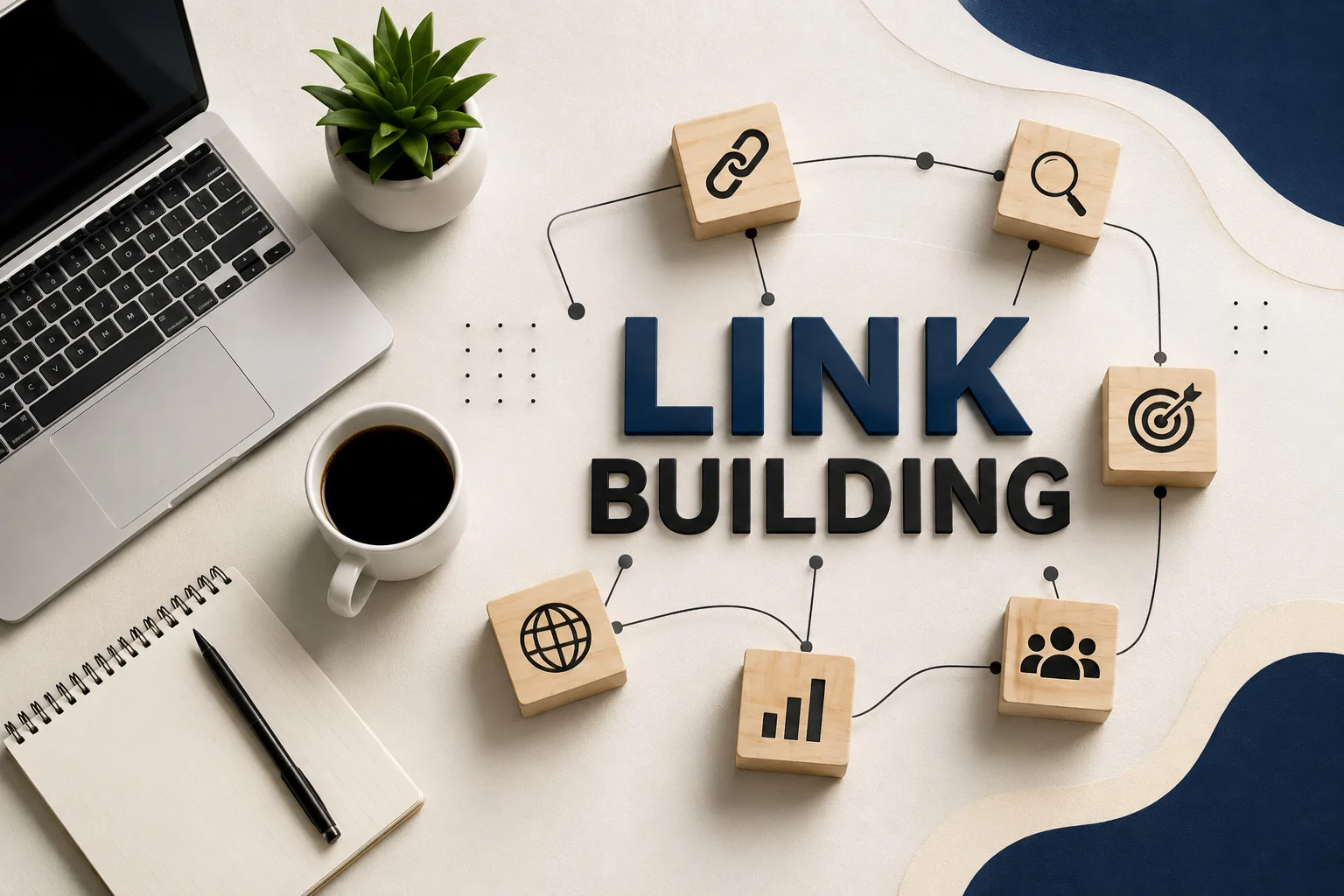
Many people hear the words 'link building' in SEO and immediately start looking for ways that will help them get as many backlinks as possible.
This is the biggest misconception.
Well, link building is not a number game where the website with the longest backlink list automatically wins. It is also not about dropping links wherever possible and hoping that Google will reward the efforts. In reality, link building in SEO works best when the links are earned from relevant, trusted, and useful sources.
Think of it in this manner. If 10 random people recommend a restaurant without ever eating there, the recommendation means very little. But if a respected food critic, a regular customer, and a local guide recommend it with genuine context, that opinion will carry more weight. Links work similarly.
So, what is link building in SEO? It can be defined as a process of getting other websites to link back to your website in a way that will help improve visibility, trust, referral traffic, and authority.
You should remember that the quality, relevance, and the purpose behind the link matter more than just the count.
Today, businesses are heavily investing in link-building services, content partnerships, digital PR, and guest posting. This is because good backlinks still play an important role in helping search engines understand credibility. But the real value comes when link building supports a broader SEO strategy, not when it is treated as a shortcut.
Why Link Building in SEO Is Not Just About Backlinks?
One of the most common misconceptions is believing that every backlink has the same value. But it does not.
A link from a relevant industry blog, trusted publication, niche directory, or an editorial article can support your SEO more than just a dozen links from unrelated or low-quality websites. Search engines often consider the link's context, the source's authority, topic relevance, and whether the link feels natural.
This is the reason why link building in SEO should never be seen as separate from content quality. If your website has weak pages, unclear services, thin blog content, or poor user experience, backlinks alone will not fix everything.
As per Ahrefs' research, a large percentage of web pages receive no organic traffic from Google, and one of the common reasons for that is that they have few or no referring domains. This also does not mean that links are the only ranking factor, but it does show that links play an important role in search visibility.
So, when people enquire about how link building helps SEO, the answer is simple: it enables the search engines to discover, understand, and evaluate your website through external signals of trust.
Quantity vs. Quality in Link Building
Before building links, it is important to understand that not every backlink adds value. When it comes to link building in SEO, quality is more important than volume, as search engines often look at relevance, trust, and context.
The table shows the clear difference between a weak link-building approach and a stronger one.
This is where link-building services can go wrong. There are still several providers who sell packages based only on the total number of links. Though it may look attractive at first, it can harm the website if the links come from poor-quality domains.
However, good link building should always focus on a well-defined strategy. You should check the website’s current authority, competitor backlinks, target pages, content quality, anchor text profile, and industry relevance.
Role of Guest Posting in SEO
Guest posting is one of the most common methods used for link building in SEO, but it is often misunderstood, too.
You must be wondering what guest posting is. Well, in simple terms, it means writing and publishing content on another website, generally with a suitable backlink to your own website. The goal is not just to place a link but to share useful information with a new target audience while also building credibility.
For instance, if a digital marketing agency publishes an article on a platform like SmartMag, the article should genuinely help readers understand a topic. It should not feel like a forced promotion. A well-written guest post will first give value and place the backlink naturally within the content.
This is why professional guest posting services are still useful when they adhere to the proper editorial standards. They also help businesses identify suitable websites, create relevant content, and place links in a manner that will support both SEO and reader experience.
At the same time, poor-quality guest posting services can do the complete opposite. If the content is thin, the website is unrelated, or the link is placed awkwardly, the result might look artificial.
What Makes a Good Link Valuable?
A good backlink should feel like it belongs there.
If a reader is going through an article and clicks on the link because it adds more value, that is a strong sign. The link should be able to connect naturally with the topic rather than appearing suddenly for SEO purposes.
Here are a few things that can make a backlink more valuable:
- The linking website is relevant to your niche.
- The article is well-written and useful.
- The link is naturally placed within the content.
- The anchor text is not forced.
- The website has real traffic and active readers.
- The backlink supports a helpful user journey.
This is the reason why link building in SEO demands proper judgment. It is not sufficient to ask, "How many backlinks can we get?” But a better question will be, "Which links help in improving trust and visibility?”
The Misconception That Link Building Works Alone
Another commonly encountered misconception is that link building can carry the entire SEO strategy.
It cannot.
If your website does not have useful content, technical SEO, clear service pages, internal linking, and a strong user experience, backlinks may not deliver the expected results. A strong and well-defined SEO strategy works like a system. Content answers the user queries, technical SEO helps the search engines crawl the site, on-page SEO improves relevance, and link building in SEO strengthens authority.
You just remove any one part, and the entire structure will go off track.
This is more important for small businesses and startups that expect quick results from backlinks. Link building takes time, and this is because trust-building takes time. Search engines will not reward every new link instantly. They will assess and evaluate the patterns, relevance, and consistency.
How Should Businesses Approach Link Building Services
Before hiring any link-building services, businesses should ask the right questions.
Good agencies will never promise overnight rankings. They will first explain the process clearly and focus on the links gradually.
The best link-building services will never chase after every available website. They will choose platforms that make sense for the brand, audience, and topic. That is why platforms like SmartMag can also be considered as part of a wider content distribution and guest posting plan.
Guest Posting Should Not Sound Like Advertising
One of the most common mistakes in guest posting is making the article too promotional. Readers can easily sense when a blog is written only to place the backlink.
A well-written guest post should educate first. It should explain the problem, offer practical solutions, and guide the reader towards a better understanding. The brand mention or the backlink should feel like a natural extension of the topic.
This is the reason why skilled guest posting services should focus on content quality and placement. The article should be able to match the tone of the publishing website and offer genuine value.
For instance, an article on link building in SEO should not repeatedly say, "Hire us for backlinks.” Rather, it should explain how links work, what mistakes to avoid, and how businesses can build authority in a safe and useful way.
How Does Link Building Help SEO?
Link building in SEO, if done right, can contribute to various aspects of search efficiency.
On the one hand, backlinks are used by search engines for page discovery. On the other hand, they transmit authority signals from one website to another. Moreover, they can create brand awareness when your content appears on trusted platforms. Lastly, they can attract visitors who are already interested in the topic.
So, how does link building help SEO in practical terms? It makes your website more visible, discoverable, and authoritative when combined with quality content and technical SEO efforts.
Nevertheless, link building must be conducted ethically. Never use spammy directories, irrelevant paid links, private blog networks, or duplicate guest posts.
Wrapping Up
The biggest myth about link building in SEO is that more links will always lead to better rankings.
But that’s not always true.
Link building in SEO is about getting the right kind of links from the right kind of sites for the right reasons. It’s most effective when the content needs linking, the website is technically well-optimised, and your strategy is based on relevancy rather than loopholes.
If a company opts for guest posting, digital PR, outreach, or even hires link-building services, the aim should always be the same: to gain trust.
This is what the search engines want to determine. This is how users react to content. And this is why link building in SEO is so crucial.
For more SEO tips, link-building insights, and digital marketing updates, SmartMag offers useful content to help you build a stronger online presence.