Sign up with Google
 Sign in with Zoho

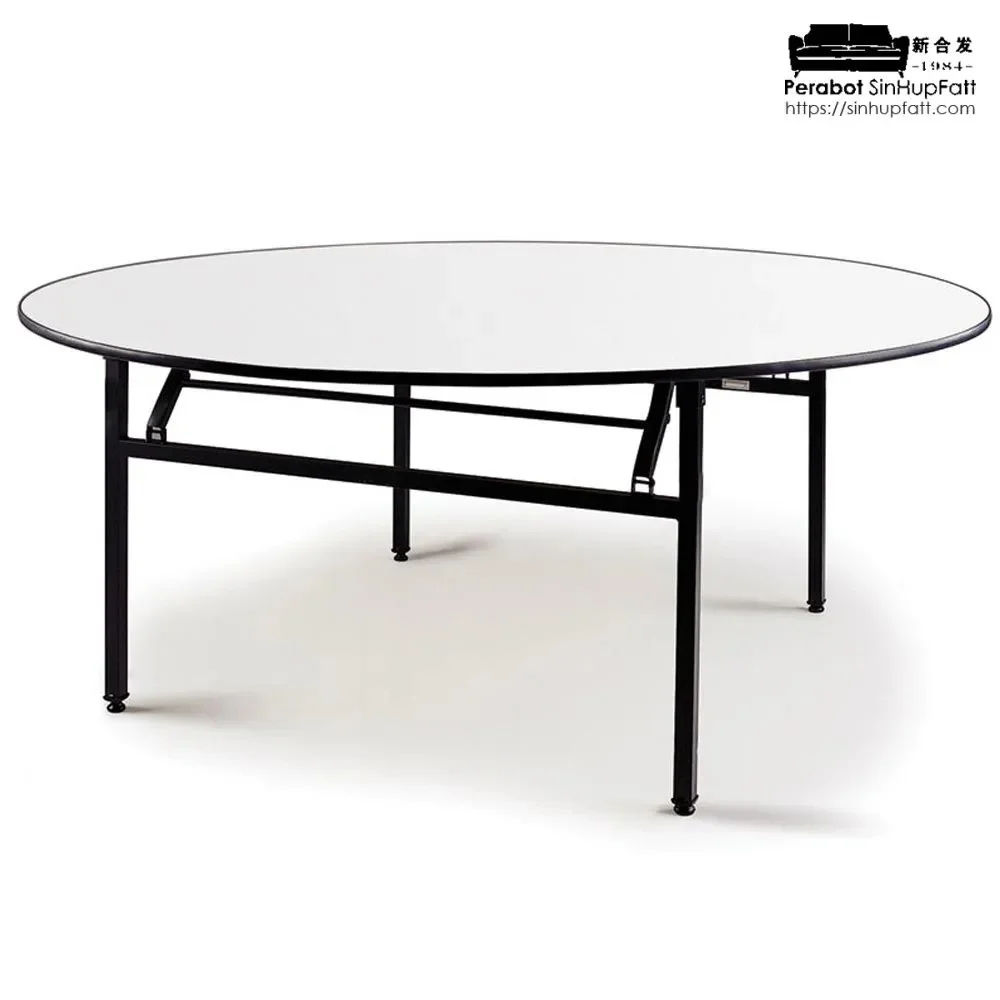
The right mix of banquet table and chairs will have a direct impact on how guests experience an event. When furniture is properly matched in height, spacing and design, guests remain comfortable longer, conversation flows naturally and event operations run smoothly. Bad furniture choices create crowding, discomfort and disruption of service, all of which are bad for business.
How Furniture Setup Influences the Event Experience
While most event planners concentrate on décor, catering and lighting, the furniture layout is the structural backbone of any successful function. The first moment guests are seated, friction is generated by a mismatched set of banquet chairs and tables.
Think about it: If the table height is wrong for the chair seat, guests are hunched over their plates or straining to reach their drinks. Neither is appropriate for a formal dinner, a corporate gala or a wedding reception.
The seating arrangement also has a bearing on how long guests will be engaged at an event. Hospitality design studies consistently show that physical comfort is directly related to perceived event quality. People shut down when they're uncomfortable. And they remember that feeling long after the event is over.
Standard Sizes That Matter
The measurements have to be precise. Standard dimensions used in professional venues and function rooms are:
- Table Height: 74–76 cm (normal height of a banquet table)
- Chair seat height: 43 – 46 cm for comfortable legroom under the table
- Table space per guest: Minimum 60 cm linear space per person at a rectangular table
- Round table diameter: 152 cm (5 ft) seating 6-8 people; 183 cm (6 ft) seats 8-10 guests
- Aisle clearance: Minimum 90-120 cm between the table rows for the service staff to move freely
These aren't random numbers. They are built around human ergonomics and operational efficiency. Ignore them and you will hear about it from guests, from staff, and from the event organiser who won't rebook.
How the shape of a table affects the flow of an event
Round Tables: Perfect for Social Events
Round banquet tables allow face-to-face conversation with all seated guests. There is no ‘head of table’ which is perfect for weddings, gala dinners and networking events where equal interaction is important.
They do take up more floor space per person, so they work better in larger venues with generous room layouts.
Rectangular tables work best for organised events.
Rectangular or trestle-style long banquet tables maximise the number of seats per square metre. They work well for corporate dinners, award ceremonies and school banquets where rows and structure are expected.
- The downside is that there’s less conversation across the table — guests mostly talk to those beside or across from them.
- Cocktail or High Top Tables: Ideal for a standing reception
- High-top tables with bar stools or tall chairs invite movement and mingling, ideal for pre-dinner receptions or cocktail-style events. They reduce the need for full seating coverage and open up a lot of floor space.
The Right Banquet Chairs for Your Occasion
Not all banquet furniture is the same. Select a style of chair suitable for the type of event and likely duration of the function.
Type of Chair Great For Main Feature
If the event is several hours long, you want padded seating. Guests asked to sit on hard surfaces for 90 minutes or more will become visibly restless. Restlessness spreads through a room quickly.
Function Room Furniture: The Table and Chair and More
Function Room Furniture More Than Tables And Chairs. A well-designed event space considers the entire furniture ecosystem — from side tables and buffet counters to lecterns, staging and lounge clusters.
For owners of venues and event teams at hotels, investing in modular banquet furniture that can be easily reconfigured is a smart operational move. A set of tables that can go from classroom-style to U-shape to banquet rounds without new pieces dramatically reduces the time needed to turn around between events.
Weight is just as important as stackability. Smaller teams can set up large rooms in under two hours with stackable chairs (8-10 high) and tables that fold flat for trolley transport — a real competitive advantage for venues with high volume.
Density, Flow and the 60/40 Rule
As a rule of thumb, professional event designers will apply the 60/40 rule to a function room layout. Sixty percent of the floor space will be used for guest seating areas; the remaining 40% will be used for circulation, service paths and ancillary setups such as buffet stations or bars.
While you can squeeze more covers into a room by overcrowding it, you create bottlenecks at entrances, slow down food service, and frustrate guests who need to move between tables. That loss of flow is almost always reflected in post event feedback.
If you are an event planner working with a fixed number of venue capacity then this ratio is your starting point for calculating your maximum table and chair count – not vice versa.
Furniture Match to Event Type: A Quick Guide
- wedding receptions: Round tables (152-183 cm), padded chiavari or cross-back chairs, floor-length table cloths
- Business dinners: Clean and neutral colour palette, padded stack chairs, rectangular tables
- Award ceremonies : Rectangular tables Theatre or classroom style Uniform rows of seating
- Networking events: Mixed high tops and round tables, bar stools, limited full seating
- Community banquets: Long folding tables, stackable chairs, high density per square metre
Durability and Maintenance: What Venues Really Want
Looks are important but so is function. Event furniture gets a serious workout — it gets assembled and disassembled by dozens of different people, stacked, transported on trolleys and cleaned with commercial-grade products.
For venues with high turnover, seek out:
- Steel or aluminium frames with powder coat finishes (scratch, rust resistant)
- Stain-resistant fabric covers on high density foam seats
- Commercial grade laminate or veneer table tops
- Rubber feet on chair legs to prevent damage to floor when moving
It’s worth paying a bit more upfront for furniture that looks premium after two years of heavy use. It is far more expensive (and disruptive) to replace banquet furniture every 18 months than to buy well the first time.
Where To Find Quality Banquet Furniture
Event planners, hotel procurement teams and venue operators need to source their chairs and tables from a supplier who understands commercial grade requirements, if they want to get quality banquet chairs and tables in Malaysia. Sinhup Fatt offers a curated range of banquet and restaurant furniture engineered for high-use environments, combining durability with the aesthetic versatility that modern event spaces require. Come and see the whole range at Sinhup Fatt.
FAQ
What is the size of a banqueting table?
The standard rectangular banquet table is 183 cm × 76 cm (6 ft × 2.5 ft) and can seat 6-8 guests. Round banquet tables typically come in 152 cm or 183 cm diameters and can seat 6-8 and 8-10 guests respectively. These measurements are standard for most professional venues and function spaces.
How many chairs go around a round banquet table?
For a round table, a 152 cm (5 ft) round table seats 6-8 comfortably and an 183 cm (6 ft) round table seats 8-10. Any more than the recommended number and you are reducing elbow room and making it uncomfortable for guests to dine at longer events.
What is the best type of chair to have for long banquets?
If events are two hours or longer, padded chairs with high-density foam seats are ideal. They give the lumbar support and cushioning needed to ensure guests are comfortable through a full dinner service or an extended program.
What is the space between banquet tables?
Leave at least 90-120 cm between rows of tables to ensure smooth movement of guests and service staff. In high density setups 90 cm is the minimum, a 120 cm clearance is recommended for premium events or venues with tram service.
What is the difference between dining chairs and banquet chairs?
Banquet chairs are built for commercial use, so they are stackable, lightweight, and built to be assembled and disassembled frequently. Regular dining chairs are designed for the home, not for strength or transportability. They are not designed to withstand the rigours of an event environment where the chair is constantly being moved and used.
Is banquet furniture suitable for indoor and outdoor events?
Some ranges of banquet furniture are suitable for outdoor use – particularly aluminium-frame chairs and resin-top tables that resist moisture. Always check the manufacturer’s specifications — most standard banquet furniture is for indoor or covered outdoor use only.