Sign up with Google
 Sign in with Zoho

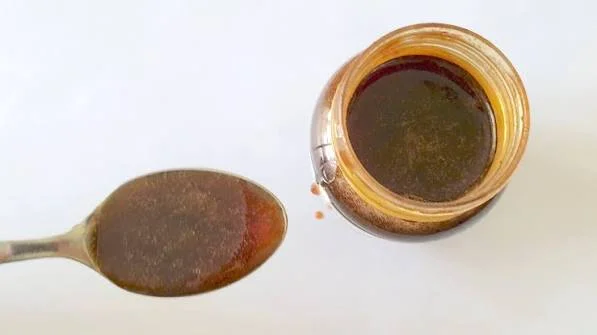
Honey usually brings to mind sweetness, warmth, and simple pleasure. But one type of honey stands apart from the rest. It comes from the cliffs of Nepal, carries a slightly bitter taste, and has a long history tied to traditional medicine and folklore. This is mad honey, and once you learn how it is made and why people seek it out, you will understand why it has such a unique reputation.
What Makes Mad Honey Different?
Mad honey is produced by the world's largest honeybee, Apis laboriosa, found in the Himalayan region of Nepal. These bees build their hives on steep cliffs, often hundreds of feet above the ground. Local honey hunters climb rope ladders to reach these hives, a practice passed down through generations.
What sets this honey apart is not just where it comes from, but what the bees feed on. In certain seasons, the bees collect nectar from rhododendron flowers that grow wild across the mountains. These flowers contain a natural compound called grayanotoxin. When bees turn this nectar into honey, the compound stays present in small amounts, giving the honey its distinct effects and reddish colour.
A Taste Unlike Regular Honey
Most people expect honey to taste purely sweet. Mad honey offers something different. It has a bitter, earthy edge alongside its sweetness, and many describe a slight tingling sensation on the tongue after tasting it. This is a direct result of the rhododendron nectar and is one of the easiest ways to tell genuine mad honey apart from ordinary honey.
Why Do People Use Mad Honey?
Across parts of Nepal and Turkey, mad honey has been used for centuries in traditional remedies. People have turned to it for digestive support, joint discomfort, and general wellness. Some also use small amounts as a natural way to unwind after a long day.
It is worth being clear that mad honey is not a typical wellness product you can use without care. Because of the grayanotoxin content, even a small amount can affect the body differently than regular honey. This is why understanding proper dosage matters more here than with any standard honey you might buy at a supermarket.
How Much Is Considered Safe?
There is no single answer that fits everyone, since body weight, sensitivity, and the potency of the specific batch all play a role. As a general guide, many experienced users start with an amount no larger than a small pea and wait to see how their body responds before considering more.
Signs of taking too much can include dizziness, nausea, or a drop in blood pressure. If you are new to mad honey, patience is your best tool. Start small, notice how you feel, and avoid combining it with alcohol or medication without speaking to a doctor first.
How Is Mad Honey Harvested?
The harvesting process is as remarkable as the honey itself. Honey hunters, often called "kuiche" in Nepali, use handmade rope ladders and long bamboo poles called "tango" to reach hives on cliff faces. They work with smoke to calm the bees, then carefully cut sections of honeycomb and lower them down in baskets.
This is dangerous, physically demanding work. Falls are a real risk, and the hunters often pass their skills down within families rather than teaching them widely. Because of this, and because rhododendron blooms only during certain months, genuine mad honey is limited in supply. This scarcity is part of why it holds such value, both culturally and commercially.
Recognising Genuine Mad Honey
With demand growing worldwide, it helps to know what real mad honey looks and tastes like. Authentic mad honey usually has a darker, reddish-brown colour compared to standard honey. It should have that characteristic bitter aftertaste and a slightly thinner consistency. If a product tastes purely sweet with no bitterness at all, it likely is not genuine mad honey, or the grayanotoxin content is too low to be authentic.
Buying from a source that tests and verifies its honey batches gives you a much better chance of getting the real product rather than a diluted or mislabeled version.
Storing Mad Honey Properly
Like any raw, unprocessed honey, mad honey benefits from proper storage. Keep it in a cool, dry place away from direct sunlight. There is no need to refrigerate it, as this can cause the honey to crystallise faster than it needs to. A sealed glass jar works best for maintaining its texture and potency over time.
If you notice crystallisation, this is a normal part of raw honey and does not mean it has gone bad. A gentle warm water bath around the jar can help return it to a smoother, liquid state.
A Few Practical Tips Before Trying It
If you are curious about trying mad honey for the first time, a few simple habits go a long way. Take it on an empty stomach in a small amount, sit down while you wait for any effects, and avoid driving or operating machinery afterward until you know how your body reacts. Speak with a healthcare professional first if you take blood pressure medication or have any heart-related conditions, since grayanotoxin can interact with these.
Buying from a trusted and transparent source also matters more than people expect. Anyone interested in trying authentic, ethically harvested Mad Honey should look for sellers who are open about where their honey comes from and how it is tested.
Final Thoughts
Mad honey is not just another jar on the shelf. It carries centuries of tradition, a genuinely unique flavour, and effects that set it apart from anything else in the honey world. Used thoughtfully and in small amounts, it offers an experience rooted in nature and history rather than modern processing.
If you decide to explore it, take your time, start small, and choose a reliable source. Those who want to learn more about the harvesting process and how to select quality Mad Honey can find detailed guidance from specialists who work directly with Nepali honey hunters and understand the product from hive to jar.





.webp)