Sign up with Google
 Sign in with Zoho

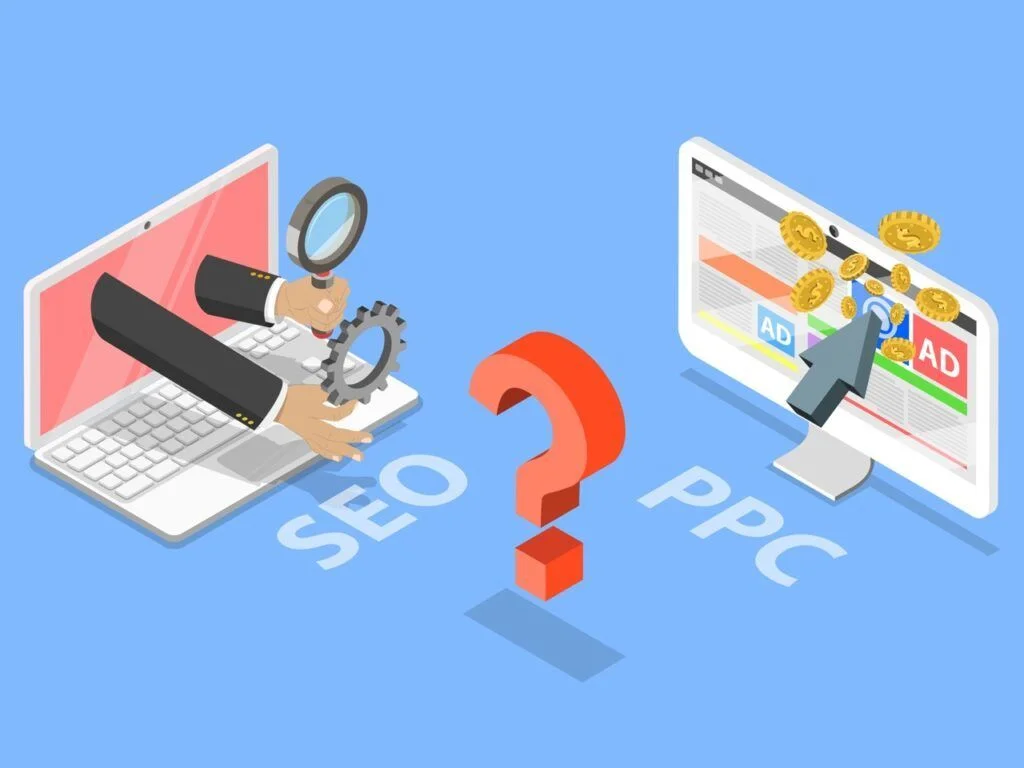
If you're new to digital marketing, you've probably come across the terms SEO, SEM, and PPC.
At first, they sound almost the same.
I remember feeling confused when I started learning them, too. Every blog seemed to use the terms differently. Some even used SEO and SEM interchangeably.
The good news is that once you understand the basics, the differences become clear.
Each one helps businesses appear on search engines.
The way they do it is different.
If you're planning to build a career in digital marketing, understanding these three concepts is one of the first things you should learn.
Let's break them down in simple language.
Why You Should Know the Difference
Imagine you own a bakery.
Someone searches for "birthday cakes in Nagpur."
Your bakery can appear in two ways.
The first is through the regular search results.
The second is through paid advertisements.
That's where SEO, SEM, and PPC come into the picture.
Understanding which strategy to use depends on your goals, budget, and timeline.
What Is SEO?
SEO stands for Search Engine Optimization.
It's the process of improving your website, so it appears naturally in search engine results without paying for each click.
When your website ranks on the first page of Google because of useful content and good website practices, that's SEO.
SEO focuses on improving:
- Website content
- Keyword research
- Internal linking
- Technical performance
- User experience
- Backlinks
- Mobile friendliness
The goal is simple.
Help search engines understand your website while creating useful content for people.
Advantages of SEO
- Free organic traffic
- Long-term results
- Builds trust
- Better brand visibility
- Higher return over time
Limitations of SEO
- Takes time
- Requires regular updates
- Competition can be high
- Rankings may change
SEO is more like building a strong reputation.
It doesn't happen overnight.
What Is SEM?
SEM stands for Search Engine Marketing.
Years ago, the term included both paid and organic search strategies.
Today, most marketers use SEM to describe paid advertising on search engines.
SEM allows businesses to appear at the top of search results through paid campaigns.
The most common platform is Google Ads.
When you search for something and see results marked as "Sponsored," those are usually SEM campaigns.
SEM includes:
- Search ads
- Shopping ads
- Display advertising
- Video campaigns
- Performance Max campaigns
Businesses pay to appear in front of people searching for specific keywords.
Advantages of SEM
- Fast visibility
- Immediate traffic
- Easy budget control
- Detailed targeting
- Quick testing
Limitations of SEM
- Requires advertising budget
- Traffic stops when campaigns stop
- Costs can increase in competitive industries
SEM works well when you need faster results.
What Is PPC?
PPC stands for Pay-Per-Click.
It's a payment model.
Instead of paying every time your ad appears, you pay only when someone clicks on it.
Google Ads uses PPC.
Microsoft Ads also uses PPC.
Many social media platforms use similar payment models, too.
Every PPC campaign is part of paid advertising.
Not every SEM strategy is limited to only search ads because search marketing also includes different campaign formats.
How PPC Works
The process is simple.
You:
- Choose keywords
- Create advertisements
- Set your budget
- Decide your bidding strategy
- Launch your campaign
When someone searches for your keyword, Google decides whether your ad should appear.
If someone clicks your ad, you're charged.
No click means no cost.
SEO vs SEM vs PPC
Here's an easy way to understand the differences.
Think of it this way.
SEO earns traffic.
SEM buys visibility.
PPC is the payment method used for many paid campaigns.
Which One Should Beginners Learn First?
If you're just starting your digital marketing journey, begin with SEO.
Here's why.
SEO teaches you:
- Keyword research
- Content creation
- Search intent
- Website structure
- Analytics
- User experience
These skills also make learning SEM and PPC easier later.
Once you're comfortable with SEO, move to Google Ads.
Learning becomes much smoother.
Can SEO and PPC Work Together?
Absolutely.
Many successful businesses use both.
Here's one example.
Imagine a new online clothing store.
They use:
SEO for:
- Product guides
- Blog articles
- Category pages
- Long-term traffic
Google Ads for:
- Seasonal sales
- New product launches
- Limited-time offers
This combination often delivers better results than depending on only one strategy.
Common Beginner Mistakes
Many beginners make similar mistakes.
Some believe SEO gives instant rankings.
Others think paid ads guarantee sales.
Neither is true.
Avoid these mistakes:
- Ignoring keyword research
- Targeting keywords with no search intent
- Forgetting landing page quality
- Not measuring conversions
- Stopping SEO too early
- Running PPC campaigns without testing
Digital marketing works best when decisions are based on data rather than assumptions.
Which Career Has Better Opportunities?
The good news is that you don't have to choose only one.
Many employers prefer candidates who understand:
- SEO
- Google Ads
- Content marketing
- Analytics
- Social media
- Email marketing
The broader your knowledge, the more opportunities you'll find.
How Long Does It Take to Learn?
The basics of SEO can usually be learned in two to three months.
Google Ads can also be understood within a few months if you practise regularly.
Real confidence comes from working on actual projects.
Theory helps.
Practice teaches much more.
Why Join Digital Marketing Classes in Nagpur?
You can certainly learn online.
There are thousands of free resources available.
Still, many beginners struggle because they don't know what to learn first.
Structured Digital Marketing Classes in Nagpur often provide:
- Step-by-step learning
- Live projects
- Practical assignments
- Google Ads practice
- SEO case studies
- Industry tools
- Interview preparation
- Placement support
Instead of jumping between random tutorials, you follow a clear learning path.
Frequently Asked Questions
Is SEO better than PPC?
They serve different purposes.
SEO focuses on long-term organic growth, while PPC provides faster visibility through paid advertising.
Can I learn Google Ads without knowing SEO?
Yes.
But understanding SEO first usually makes learning Google Ads easier because you'll already understand keywords and search intent.
Does every business need SEO?
Most businesses benefit from SEO because it helps improve long-term online visibility and organic traffic.
Is PPC expensive?
It depends on the industry and competition.
Many businesses start with a small budget and increase spending after seeing positive results.
Final Thoughts
SEO, SEM, and PPC are closely connected, but they aren't the same.
SEO helps your website earn organic visibility.
SEM focuses on paid search marketing.
PPC is the pricing model that powers many online advertising campaigns.
Once you understand how they work together, digital marketing starts making much more sense.
If you're serious about building a career in this field, joining Digital Marketing Classes in Nagpur can help you practise these skills on real projects instead of only reading about them.