Sign up with Google
 Sign in with Zoho

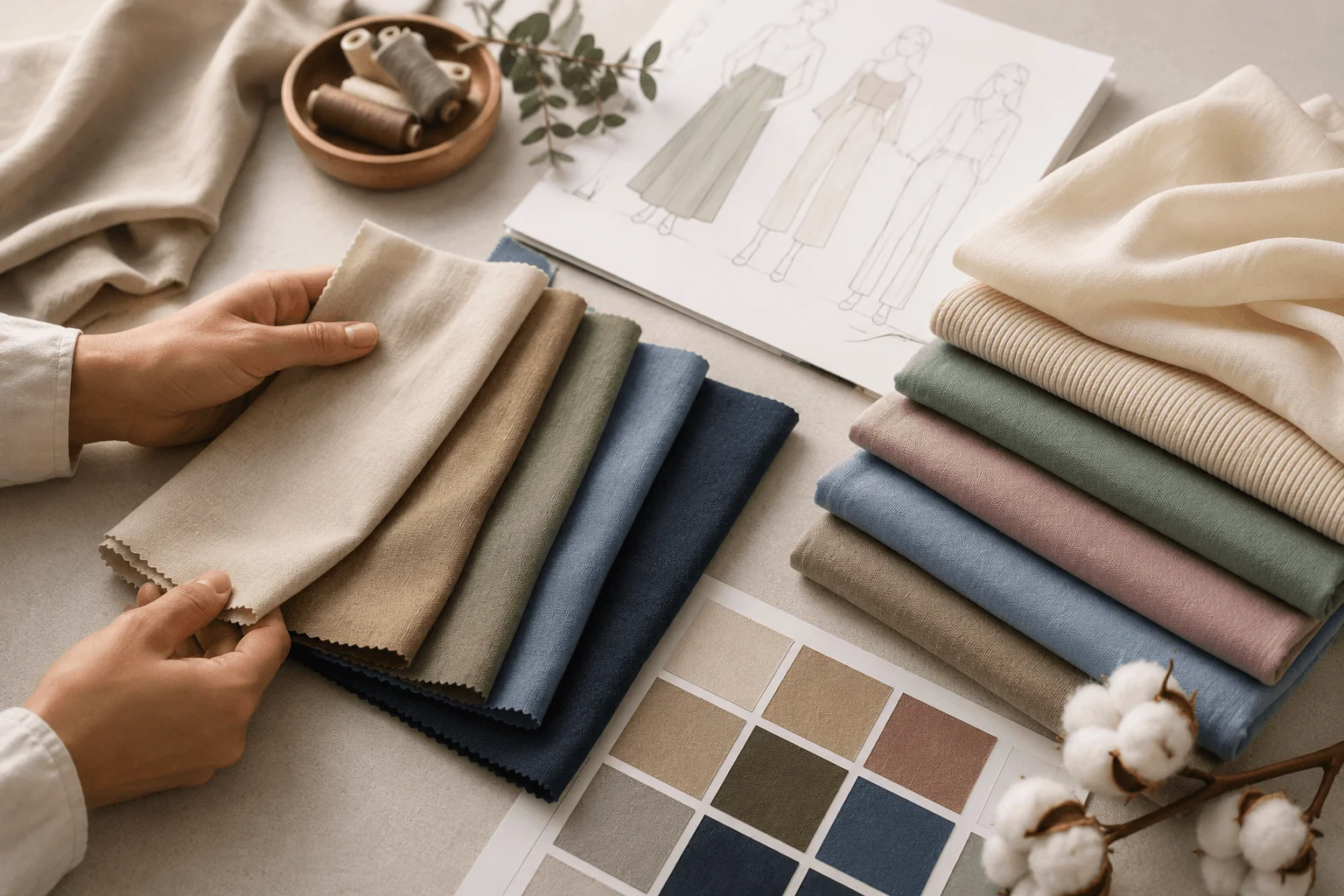
Choosing the right fabric is one of the most critical decisions a fashion entrepreneur or designer will ever make. It affects the look, feel, durability, and overall reception of your clothing line. Yet many new designers jump into production without fully understanding how to evaluate and select fabrics. This step-by-step guide will walk you through the entire process so you can make confident, informed choices every time.
Step 1: Define Your Clothing Category
Before you even touch a fabric swatch, clarify what type of clothing you are creating. Are you designing casualwear, activewear, ethnic wear, formal attire, or children's clothing? Each category has unique requirements. For example, activewear demands stretch and moisture-wicking properties, while ethnic wear often calls for rich textures like silk, brocade, or handloom cotton.
Step 2: Understand Your Target Customer
Think about who will be wearing your clothes. Consider their lifestyle, climate, and preferences. A customer based in a tropical region will appreciate breathable, lightweight fabrics like linen or cotton over heavy wools. A customer looking for luxury will expect premium materials with a refined drape and texture. Knowing your audience is the foundation of every great fabric decision.
Step 3: Learn the Basic Fabric Properties
You need to understand these key fabric properties before selecting:
• Breathability: How well the fabric allows air to circulate.
• Drape: How the fabric falls and moves on the body.
• Stretch: Whether the fabric has elasticity or remains rigid.
• Durability: How well the fabric holds up to washing and daily wear.
• Weight: Lighter fabrics suit warmer climates; heavier fabrics are better for structured garments.
Step 4: Choose Between Natural and Synthetic Fabrics
Natural fabrics like cotton, linen, silk, and wool offer comfort and breathability. Synthetic fabrics like polyester, nylon, and spandex offer strength, elasticity, and affordability. Blended fabrics combine properties of both. For most clothing lines, a blend often provides the best of both worlds.
Step 5: Consider the Production Process
Some fabrics are easier to cut and sew than others. Slippery fabrics like satin require experienced tailors, while cotton is beginner-friendly. If you are outsourcing production, discuss fabric options with your manufacturer to ensure they can work efficiently with your chosen material.
Step 6: Test Before You Commit
Always request fabric samples before placing a bulk order. Test for colourfastness by washing a swatch. Check for shrinkage by measuring before and after washing. Evaluate texture, drape, and thickness in natural and artificial light. Never commit to a large order without testing.
Step 7: Set a Fabric Budget
Your fabric budget must align with your pricing strategy. If you plan to sell at affordable price points, opt for quality mid-range fabrics. If you are building a premium brand, invest in superior materials. The fabric cost typically represents 30–50% of your total production cost, so plan wisely.
Step 8: Source from Reliable Suppliers
Finding a trustworthy supplier is as important as selecting the right fabric. Look for vendors with a strong reputation, consistent stock, and transparent pricing. If you are sourcing online, platforms like fabriculture.store offer a wide range of fabric options with detailed descriptions to help you choose confidently without needing to visit a physical store.
Final Thoughts
Selecting the perfect fabric is a blend of creativity, practicality, and strategic thinking. By following these steps, you will not only enhance the quality of your clothing line but also build a brand that customers trust and return to.