Sign up with Google
 Sign in with Zoho

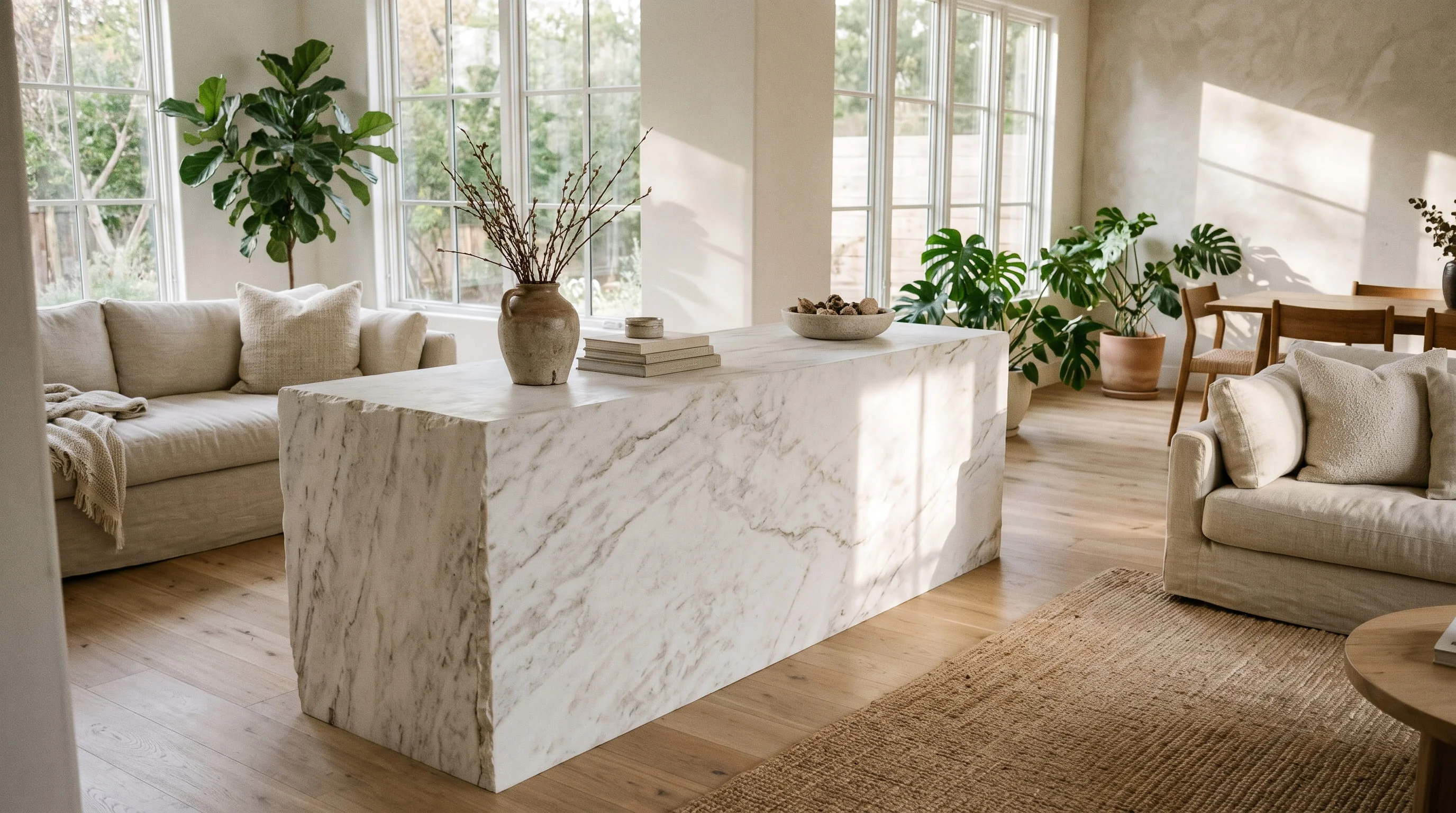
Walk into a stone showroom and it's easy to fall in love with the first beautiful slab you see. Maybe it's a white marble with delicate gray veins, a warm beige limestone, or a piece of granite with an interesting mix of colors. You start imagining how it would look in your kitchen or bathroom.
Then the practical questions begin. Will it stain? Is it slippery when wet? Does it need sealing? And, perhaps most importantly, will you still be happy with it after a few years of everyday use?
These are worth thinking about before placing an order. Natural stone can make a home feel special, but not every variety is suited to every space. The right choice depends on where you plan to use it, how much wear it will receive, and how much time you're willing to spend looking after it.
If you're drawn to lighter interiors, browsing options such as white natural stone tiles can give you an idea of the colors and finishes available. Just remember that appearance is only one part of the decision.
First, Understand What You're Buying
People often use the term "natural stone" as though all stones behave in the same way. They don't. Marble, granite, limestone, and travertine have different characteristics, and those differences become noticeable once they're installed.
Marble: Beautiful, but Not Carefree
Marble has a look that's difficult to imitate. Its veins, soft color variations, and naturally smooth appearance make it a favorite for bathrooms, kitchens, and statement areas.
White marble is particularly popular because it works with both traditional and modern interiors. It can brighten a room without making the design feel complicated.
There's a trade-off, though. Marble can react with acidic substances. A splash of lemon juice or vinegar, for example, may leave a dull mark on the surface. Some varieties are also more prone to staining than others.
This doesn't mean marble should be avoided in a busy home. It simply means you should understand the care involved before choosing it for a countertop or another frequently used surface.
Granite: A Sensible Choice for Busy Homes
If you have a kitchen that gets used throughout the day, granite is worth considering. Many granite varieties are hard and durable, making them suitable for countertops and other high-use areas.
Its appearance can be quite different from one variety to another. Some slabs have small, scattered mineral patterns, while others feature more noticeable color contrasts. That variety makes it easier to find something that works with your cabinets and flooring.
Don't assume that every granite product has identical maintenance needs. Ask about the particular slab you're considering, including whether it needs sealing and how it should be cleaned.
Travertine: For a More Natural, Relaxed Look
Travertine has a character of its own. Its warm shades and naturally occurring pores give it a slightly rustic appearance, which works particularly well in homes that use wood, earthy colors, and textured fabrics.
You'll often see it used on floors, walls, and bathroom surfaces.
One thing to check before buying is how the travertine has been finished. Its pores may be filled or left more visible, and the treatment can affect both its appearance and maintenance. It's especially important to make sure the product is suitable for the room where you intend to install it.
Limestone: Quietly Attractive
Limestone doesn't always have the dramatic veining associated with marble. Its appeal is usually more understated. Cream, beige, and pale gray shades are common, and they fit comfortably into interiors where the goal is a calm, uncluttered look.
It can be used for flooring, wall coverings, and architectural details. However, some limestone varieties are sensitive to acids and moisture.
If you're considering it for a kitchen or bathroom, ask the supplier whether that particular stone is suitable. A sample that looks lovely in a showroom doesn't tell you everything about how it will perform at home.
Think About the Room Before Choosing the Stone
This is where many buying decisions become easier. Instead of asking which stone is best overall, ask which one makes sense for the room you're working on.
In the Kitchen
A kitchen countertop has a demanding job. It comes into contact with food, hot cookware, liquids, knives, and cleaning products. It also needs to be easy enough to maintain when you're busy.
Before settling on a stone, find out how it handles acidic foods and whether it is likely to stain. Ask about heat resistance, sealing, and the cleaning products you can safely use.
Flooring needs a slightly different kind of attention. Think about how many people use the kitchen, whether spills are common, and how the surface feels underfoot.
A stone that looks impressive in a photograph might not be the most convenient choice for someone who cooks several times a day. Be honest about how you use your kitchen. It will save you trouble later.
In the Bathroom
Stone can make a bathroom feel less like a purely functional space and more like somewhere you actually enjoy spending time. A marble vanity, a stone-clad wall, or a carefully chosen floor can change the whole atmosphere.
Water is the main consideration here. Bathrooms stay damp, and some surfaces are exposed to water almost constantly. Proper waterproofing, suitable grout, and correct installation matter just as much as the stone itself.
Also, don't choose a bathroom floor based on appearance alone. A polished finish may look lovely on a wall, but it may not provide the grip you need under wet feet. Ask about slip resistance before making your choice.
In the Living Room
You have a little more freedom in the living room. A stone fireplace surround, a feature wall, or even a section of stone flooring can add interest without overwhelming the space.
One thing worth remembering is that stone can sometimes make a room feel cold, particularly when it's paired with lots of other hard surfaces.
Wooden furniture, a comfortable rug, soft curtains, and warm lighting can make a noticeable difference. You don't need to cover every surface with decoration. A few thoughtful combinations are usually enough.
At the Entrance
Hallways and entryways take more punishment than people sometimes realize. Shoes bring in dust, grit, and moisture, and all of that ends up on the floor.
If you're thinking about natural stone here, look at the surface finish and ask how it will handle regular cleaning. A textured option may suit the space, but it should still be practical to maintain.
A decent entrance mat also helps. It's a small detail, but it can reduce the amount of dirt that gets carried further into the house.
The Finish Can Change the Whole Look
Two tiles made from the same stone can look and feel surprisingly different if their finishes aren't the same.
A polished finish has a smooth, reflective surface. It brings out the stone's patterns and can make a room feel brighter. The downside is that water spots, fingerprints, and some scratches may be more noticeable.
A honed finish is less shiny. It has a matte appearance that many people prefer for understated, contemporary interiors. If you don't want the floor or wall to draw too much attention, it's worth looking at.
Then there are brushed and textured finishes. These have more surface character and can work particularly well in certain flooring applications. However, dirt may collect more easily in textured areas, so ask how the product should be cleaned.
If possible, look at more than one finish before deciding. Photographs rarely show the difference as clearly as a physical sample.
Don't Choose the Color in Isolation
It's tempting to pick a stone simply because you like its color. But once it's installed, it has to work with everything around it: cabinets, wall paint, furniture, lighting, and even the flooring in adjoining rooms.
White and cream stones are easy to imagine in a bright kitchen, especially alongside wooden cabinets or neutral walls. Darker stones can create a strong contrast and give a room a more dramatic appearance.
If the stone has prominent veins or a busy pattern, keep some of the surrounding finishes simple. Otherwise, the room can start to feel crowded.
Lighting is worth checking, too. A sample that looks warm in the showroom might appear cooler in your home. Take it to the room where it will be installed and look at it during the day and again in the evening.
It's a simple step, but it can prevent an unpleasant surprise after installation.
How Much Care Are You Comfortable With?
This is probably one of the most overlooked parts of choosing natural stone.
Some homeowners don't mind taking extra care of their surfaces. Others would rather wipe everything down and get on with their day. Neither approach is wrong, but it should influence what you buy.
Before ordering, ask the supplier a few direct questions:
- Does this stone need a sealer?
- What happens if water or food is left on the surface?
- Can ordinary household cleaners be used?
- Are acidic products likely to damage it?
- How often will it need attention?
- Is the finish suitable for the room I'm planning to use it in?
Once the stone is installed, a few basic habits can help. Clean spills promptly, use products recommended for that material, and avoid dragging furniture across the floor. It's also sensible to remove grit regularly because small particles can contribute to surface wear.
Sealing may help reduce absorption in certain stones, but it isn't a magic solution. It won't make every surface resistant to every stain or scratch.
Installation Is Just as Important as the Stone
Even a beautiful piece of natural stone can disappoint if the installation isn't handled properly.
The surface underneath needs to be prepared correctly, and the adhesive and grout must be appropriate for the application. Bathrooms and other wet areas need particular care because waterproofing problems can cause damage beyond the visible surface.
There's also the question of natural variation. Stone tiles aren't always identical in color or pattern, even when they come from the same batch.
Before the installer fixes everything in place, ask to see the layout. This gives you a chance to check how the pieces look together and make adjustments if certain patterns sit awkwardly beside one another.
For a larger project, confirm your measurements and order enough material. Keeping a few spare tiles, where practical, can be helpful if something gets damaged and needs replacing later.
Look Beyond the Price on the Label
When comparing natural stone, it's easy to focus on the cost per tile or slab. But that's not the full project expense.
Delivery, cutting, installation, grout, surface preparation, and sealing may all add to the final bill. Some materials may also require more ongoing care than others.
Before committing, ask for a complete estimate. Get samples, compare the specifications, and speak with the installer about any extra work the project might involve.
You don't necessarily need the most expensive stone to get a good result. It makes more sense to spend where the material will have the greatest impact or face the most use. A well-chosen kitchen countertop might deserve a larger share of the budget than a small decorative wall.
A Few Questions Worth Asking Before You Buy
Which natural stone is best for a home?
It depends on where you plan to install it. Granite is often considered for busy kitchen surfaces, while marble, limestone, and travertine offer different looks and uses. Compare the specific product's characteristics rather than relying on the stone name alone.
Can natural stone be used in kitchens?
Yes. Several types of natural stone are used in kitchens for countertops, floors, and backsplashes. The important part is choosing a variety and finish that suit the amount of use, cleaning, and exposure to spills.
Does every natural stone tile need sealing?
No. Sealing requirements vary according to the stone and its finish. Check the manufacturer's or supplier's instructions for the exact product you're purchasing.
Is white stone a practical choice?
It can be. The fact that a stone is white doesn't automatically make it difficult to maintain. Its porosity, mineral composition, and sensitivity to staining matter much more than color alone.
How can I make a room with stone flooring feel comfortable?
Bring in materials with softer textures. Rugs, timber furniture, curtains, cushions, and warm lighting can balance the hard surface and make the room feel more welcoming.
What should I check before ordering stone tiles?
Ask about the stone type, finish, dimensions, suitability for your intended room, cleaning instructions, and installation requirements. It's also a good idea to inspect physical samples because natural patterns and shades can vary.
The Best Choice Is the One That Fits Your Home
Natural stone doesn't have to be the centerpiece of every room to make a difference. Sometimes a simple floor or a small feature wall is enough to give an interior more character.
Take your time comparing materials. Look at samples in your own home, ask questions about maintenance, and think about how the space will be used once the renovation is finished.
A stone that suits your daily routine will usually be a more satisfying choice than one selected purely because it looked beautiful in a showroom.