Sign up with Google
 Sign in with Zoho

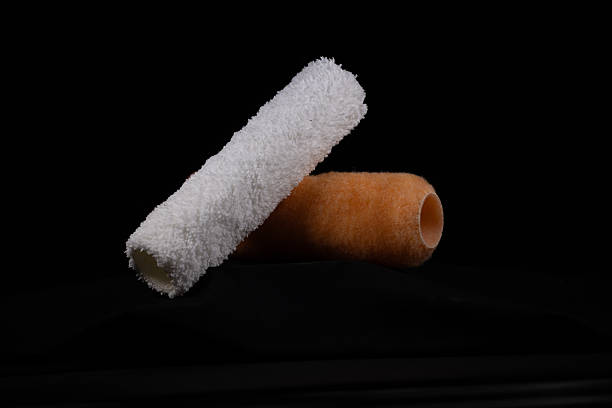
Painting a wall sounds simple until you’re halfway through and something looks… off. Streaks, uneven patches, weird shine in spots you didn’t expect. Happens a lot. Most of the time it’s not even the paint—it’s the way it’s going on. Somewhere in there, using a microfiber roller cover makes a real difference. Not instantly magical or anything, but yeah, it helps more than people think. It holds more paint, spreads it smoother, and doesn’t leave behind that annoying fuzz like cheaper rollers do. Still, you can mess it up if you rush it. Seen that too. So here’s how to actually use one without overthinking every step.
Picking the Right Microfiber Roller (Don’t Guess It)
This part gets ignored way too often. People just grab whatever’s closest and hope it works. Not great. Microfiber rollers come in different nap sizes, and that changes everything. Short nap for smooth walls, longer nap for rough or textured surfaces. If you use the wrong one, the finish won’t look right—simple as that. A thicker nap on a smooth wall leaves too much paint. Too thin on a rough wall, you’ll be rolling forever. A decent microfiber roller cover should feel dense but not stiff, if that makes sense. And don’t go super cheap. Those usually shed fibers, and then you’re stuck picking lint out of wet paint. Not fun.
Quick Prep (Yeah, It Matters More Than You Think)
I know, prep work is boring. Nobody enjoys it. But skipping it usually shows later. Just run the roller under a bit of water, shake it out, don’t soak it. This knocks off loose fibers and helps it take paint more evenly. Takes maybe a minute. Some people skip this and get away with it, sure—but when it goes wrong, it really goes wrong. So… not worth the risk.
Loading It Without Making a Mess
You don’t need to drown the roller in paint. Just roll it into the tray, then back and forth a few times so it spreads evenly across the fibers. A microfiber roller cover holds a lot already, more than basic ones, so going heavy just leads to drips. And once it starts dripping, now you’re fixing spots instead of painting. It should feel loaded but controlled. That’s the sweet spot, I guess.
Actually Rolling the Paint On
There’s no perfect technique, despite what some guides say. But yeah, the “W” or “M” pattern works. Just loosely spread the paint, then smooth it out with light strokes. Don’t press hard—seriously, that’s where people go wrong. Pressing harder doesn’t help, it just forces paint unevenly and leaves marks. Let the roller glide. A good microfiber roller cover kind of does its own thing if you don’t fight it too much. Also, once the paint starts drying, stop going over it. That habit ruins finishes more than anything else.
Keeping Things Blended (Wet Edge, Basically)
This sounds technical, but it’s not. Just don’t let one section dry before you connect it to the next. Overlap a bit while it’s still wet. That’s it. If you stop halfway and come back later, you’ll see a line. The nice thing with a microfiber roller cover is it gives you a bit more working time since it releases paint slowly. Still, don’t wander off for 20 minutes and expect it to blend perfectly. Doesn’t work like that.
Corners Are a Different Story
Rollers don’t do corners well. Never have. Use a brush for edges and tight spots first, then roll the main wall while that paint is still wet. That way it blends. Trying to jam a roller into a corner usually ends in smudges or missed spots. It’s one of those things where doing it the “extra” way actually saves time later.
Cleaning It (Or Not)
If you’re planning to reuse it, clean it right away. Not later. Dried paint basically kills the roller. Rinse it out, squeeze the paint through until the water runs clear-ish. Doesn’t have to be perfect, just clean enough. A microfiber roller cover can last a while if you treat it halfway decent. If it starts looking clumpy or flat, though… yeah, it’s done.
Switching Tools Midway
Not every part of a job needs the same tool. Sometimes you just need to hit a small spot or fix a little edge. That’s where single use paint brushes make sense. No cleanup, no overthinking. Use it, toss it, move on. For quick touch-ups, they’re actually more practical than pulling out your good brushes. Not everything needs to be perfect gear all the time.
Stuff People Mess Up All the Time
Big one—rushing. Loading too much paint, pressing too hard, skipping the prep. It all shows up in the finish. Another thing is letting the roller go dry and still trying to use it. A microfiber roller cover works best when it stays properly loaded, not dragging across the wall half-empty. And yeah, going back over drying paint… that almost always makes it worse. Better to leave it and do another coat later.
Conclusion
At the end of it, getting a smooth paint job isn’t some secret skill. It’s just doing a few basic things right and not cutting corners when you feel impatient. A microfiber roller cover helps a lot—it spreads paint evenly, holds more of it, and just feels easier once you get used to it. But it’s not a fix for bad habits. Slow down a bit, pay attention, and don’t try to rush through the middle of the job. That’s usually where things go sideways.