Sign up with Google
 Sign in with Zoho

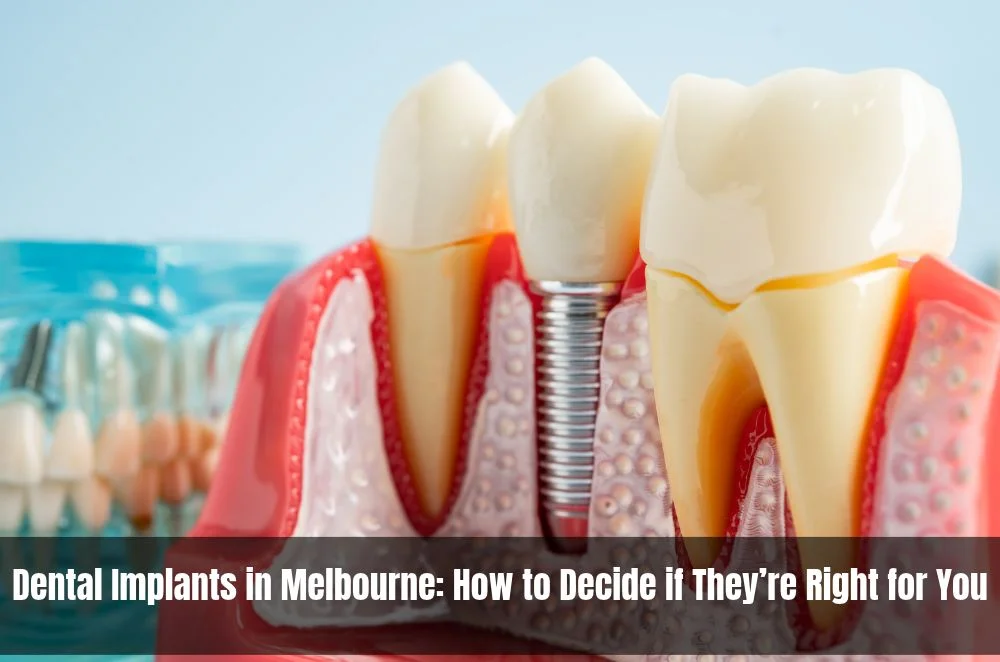
A missing tooth can do more than dent your smile. It can change the way you chew, speak and even the shape of your face over time. Little wonder “dental implants” tops so many Google searches from Melbourne residents weighing up their replacement options. Yet an implant isn’t the only path forward, and it won’t suit every situation. This guide cuts through the marketing chatter to help you decide, backed by local context and clinical realities.
What an Implant Actually Replaces
Natural teeth anchor into the jaw via roots. When a tooth is lost, bone in that spot gradually shrinks. An implant acts as an artificial root—usually a titanium or zirconia screw—fused to the bone. A crown, bridge or denture then attaches to that base. Because it’s anchored beneath the gumline, an implant can feel closer to a natural tooth than a conventional denture.
If you’re comparing options, depth of information matters. Melbourne clinicians who offer comprehensive dental implant options can walk you through single-tooth, multiple-tooth and full-arch solutions so you’re not locked into one approach from the outset.
Candidacy Check: Are Implants the Best Fit for Your Mouth?
Bone health makes or breaks implant success. If an extraction happened years ago, the jaw may have thinned, requiring grafting. Smokers heal more slowly. Diabetes and certain medications can reduce osseointegration (bone fusing). A thorough assessment should cover:
- A 3-D CBCT scan to measure bone volume
- Periodontal charting to rule out active gum disease
- Medical history review, especially bisphosphonates or blood thinners
Even perfect scans don’t override lifestyle factors. Someone planning an overseas stint or facing chemotherapy may choose a less invasive interim fix and revisit implants later.
Budget, Timeframe and Lifestyle Questions Too Few People Ask
Price often leads the conversation, yet the cheapest quote rarely tells the whole story. Ask how many appointments the plan involves, which components are locally made, and what happens if a crown chips three years down the track.
Time off work is another sleeper cost. A straightforward single implant can slot into a long lunch break for placement, with minimal swelling next day. Complex full-arch cases demand several visits, occasional bone grafting, and months of healing before final teeth seat. Map that against work deadlines, sport commitments or travel plans so you’re not juggling stitches on a ski trip.
Finally, consider aesthetics while you wait. Temporary solutions range from a removable flipper to an immediate provisional crown. Knowing how visible the gap will be—even for a few months—can sway the decision toward or away from implants for front teeth.
Choosing a Melbourne Provider Without Blindly Chasing Discounts
Implants blend surgical and prosthetic skill. Clinicians who place and restore daily build instincts that weekend training can’t replicate. Look for:
- Postgraduate implantology credentials or memberships (for example, ICOI, ITI)
- In-house 3-D imaging rather than outsourced scans
- Clear photographs of their own work, not stock images
- Transparent discussion of complication rates and how they’re managed
Distance counts too. Follow-up tweaks are faster when the clinic isn’t an hour’s drive away. If sedation is involved, you’ll also need a lift home, making proximity practical.
Recovery: What the First Year Really Looks Like
Straight after placement, most people manage with non-prescription pain relief and return to normal duties within 24–48 hours. Soft foods reign for roughly a week. At the two-week mark, gum tissue tightens and sutures (if any) dissolve or get removed.
Bone integration unfolds quietly over three to six months. During this phase you’ll still brush and floss, but a special angled brush or water flosser can reach under a provisional bridge. Resist the urge to test bite strength on toffee or crusty bread early; micro-movements can stall integration.
Once the implant proves stable on x-ray, the restorative phase begins. Digital scans replace old-school impression trays for many clinics, cutting chair time. The final crown or bridge clicks into place, and regular six-month hygiene visits resume—plus an annual x-ray to watch bone levels.
A Pragmatic Takeaway
Implants can feel remarkably natural and stave off bone loss, but they demand healthy foundations, patience and a considered budget. If your lifestyle or medical history throws curveballs, exploring interim fixes now and revisiting implants later isn’t failure; it’s planning. Either way, asking the right questions up front keeps surprises (and costs) down the track to a minimum.
FAQs
How long do dental implants last?
With diligent cleaning and routine check-ups, the fixture itself can last decades. Crowns face more everyday wear and may need replacement after 10–15 years.
Is implant surgery painful?
Most patients describe a dull ache rather than sharp pain once the local anaesthetic wears off. Swelling peaks around 48 hours then subsides.
Can smokers get implants?
Yes, but smoke reduces blood flow and raises failure risk. Many clinicians recommend quitting or at least cutting back six weeks before and after surgery.
Are implants safe for diabetics?
Well-controlled diabetics often heal comparably to non-diabetics. Poorly controlled blood glucose, however, can slow bone integration and gum healing; endocrinology input helps.